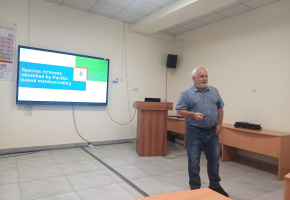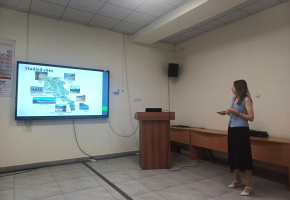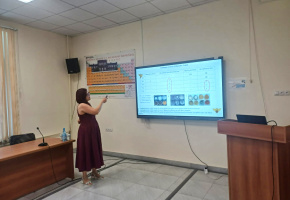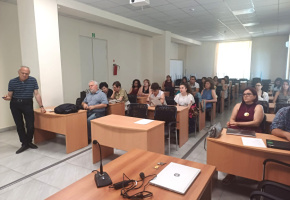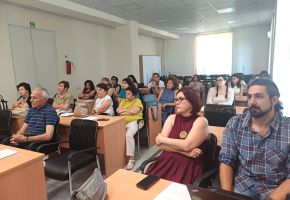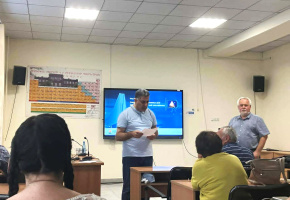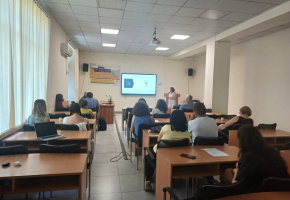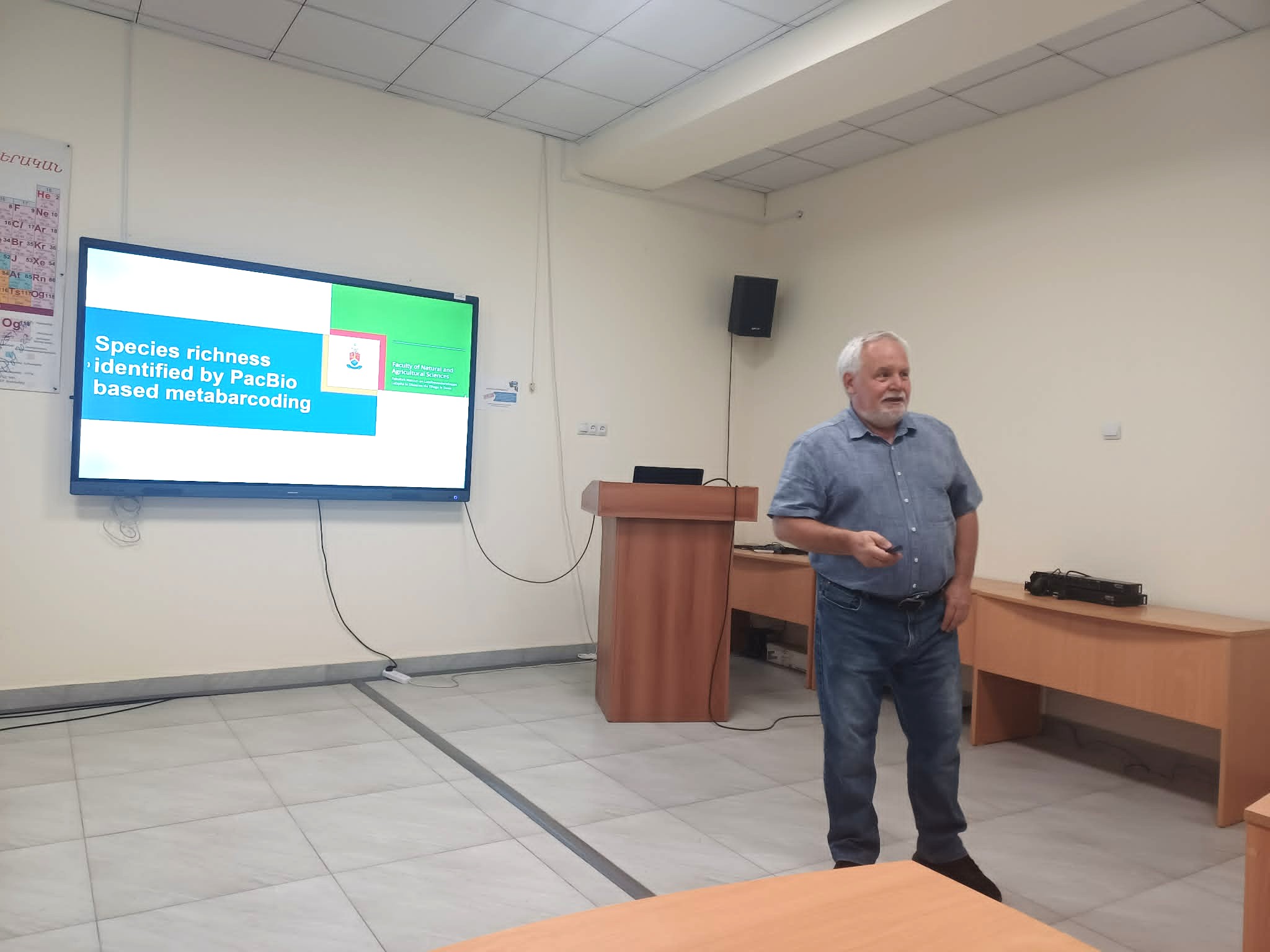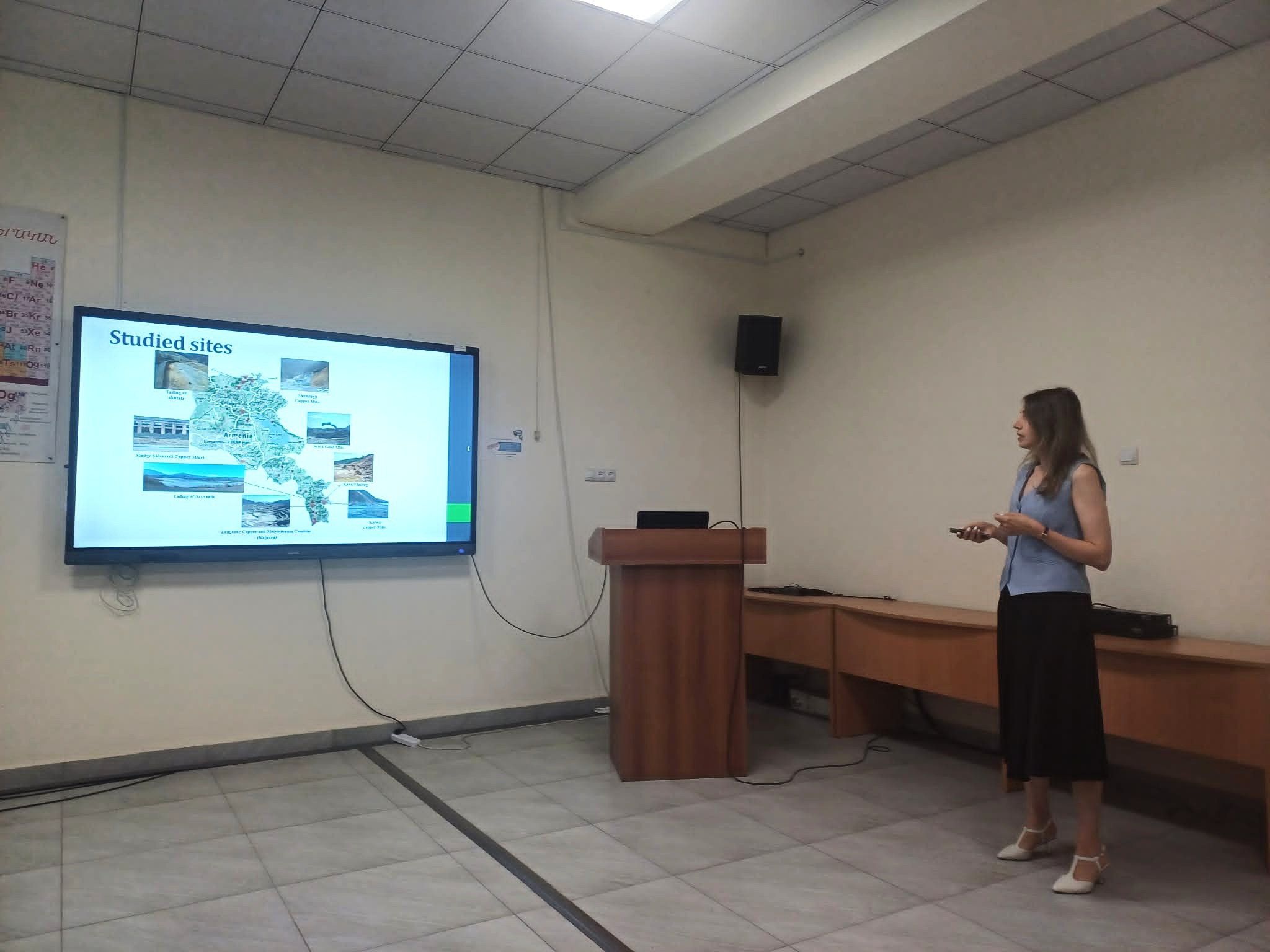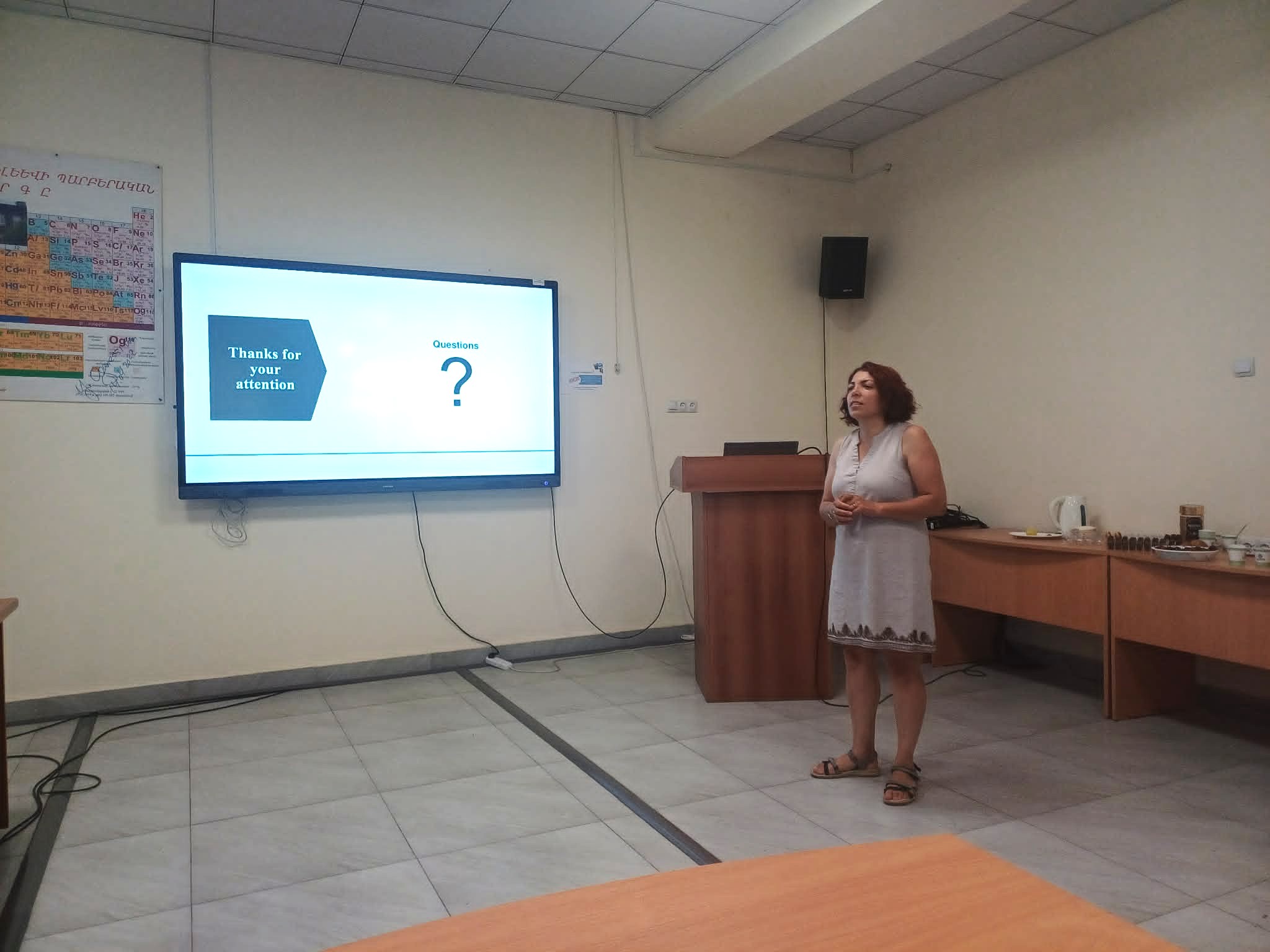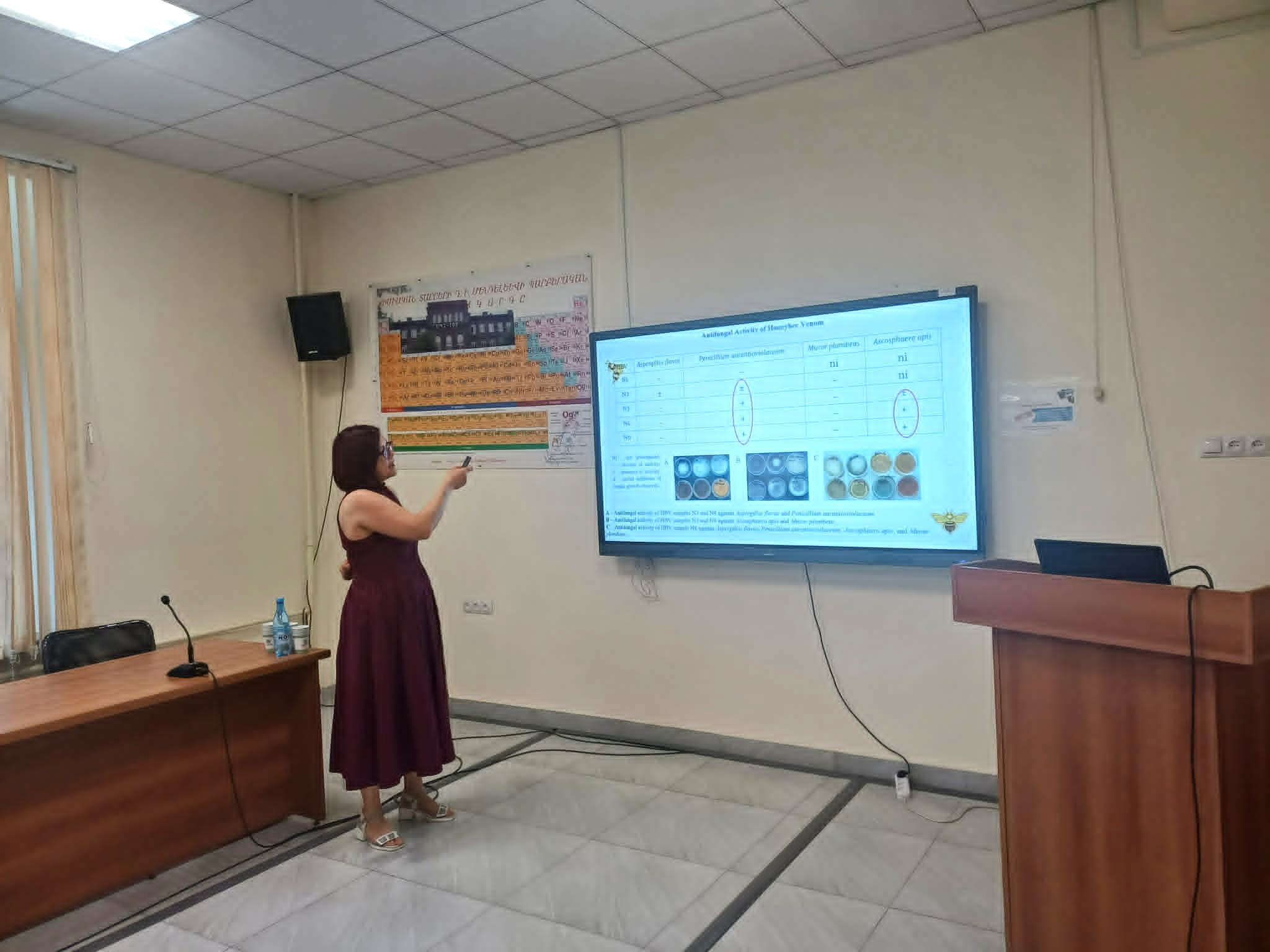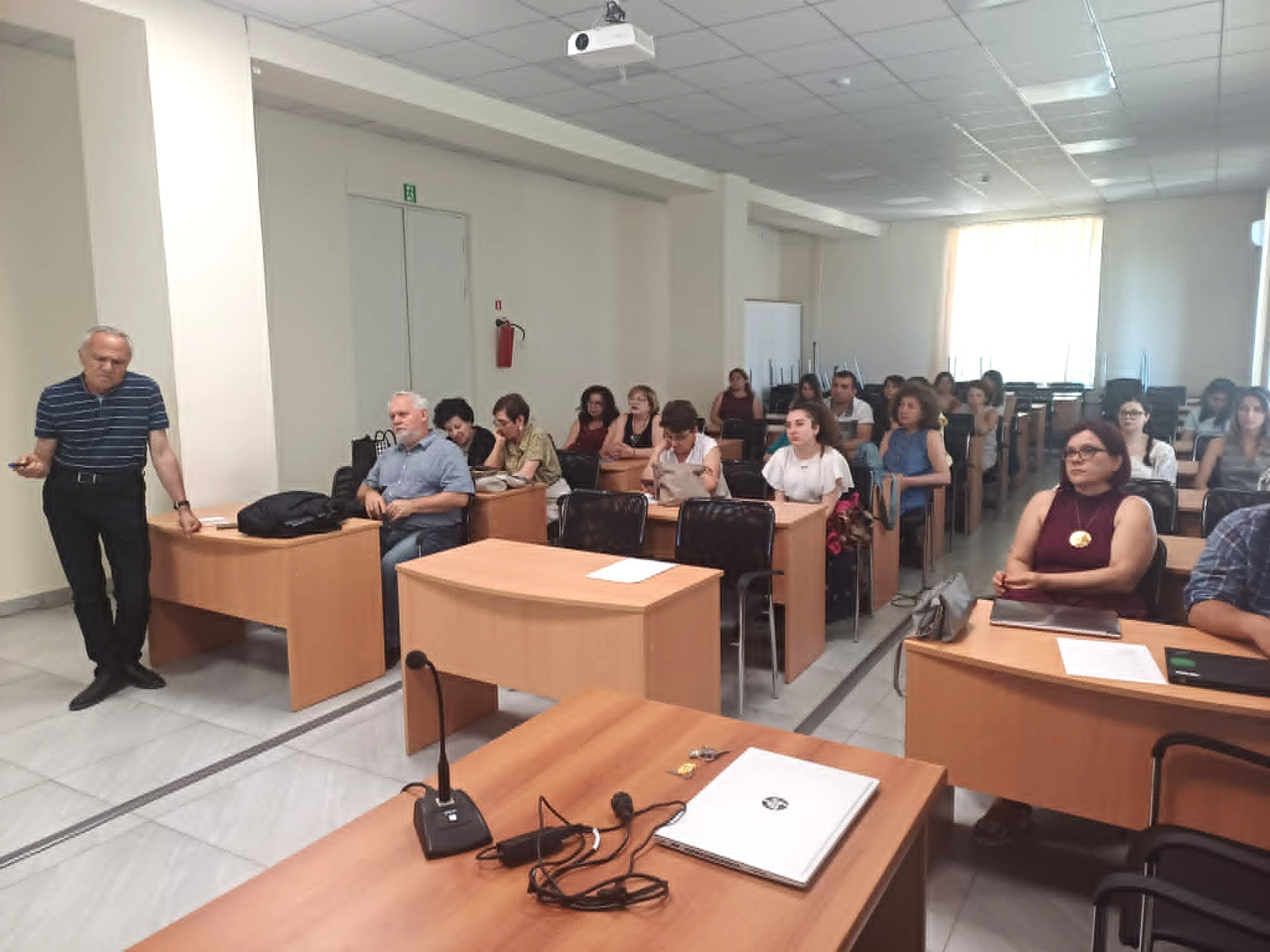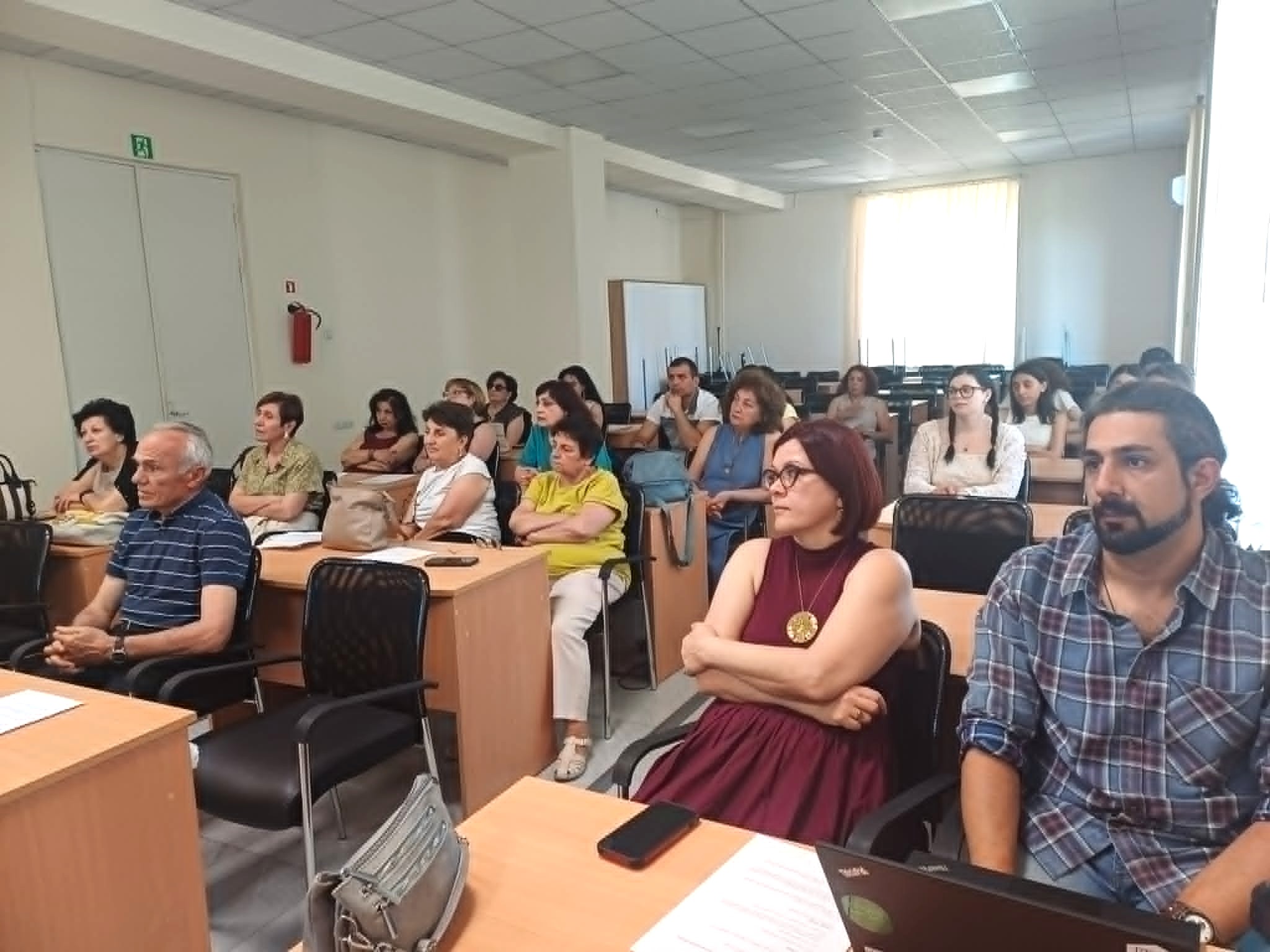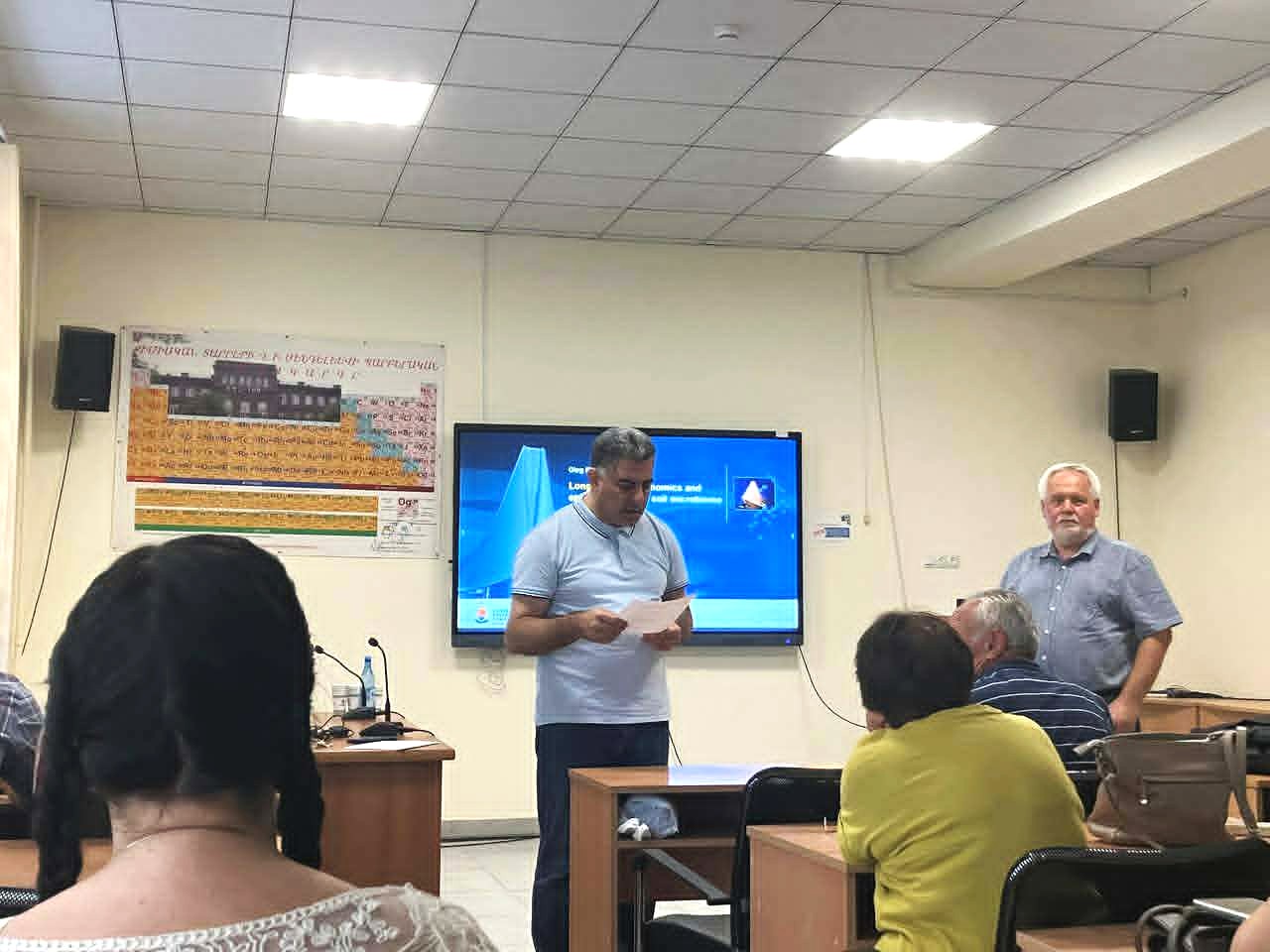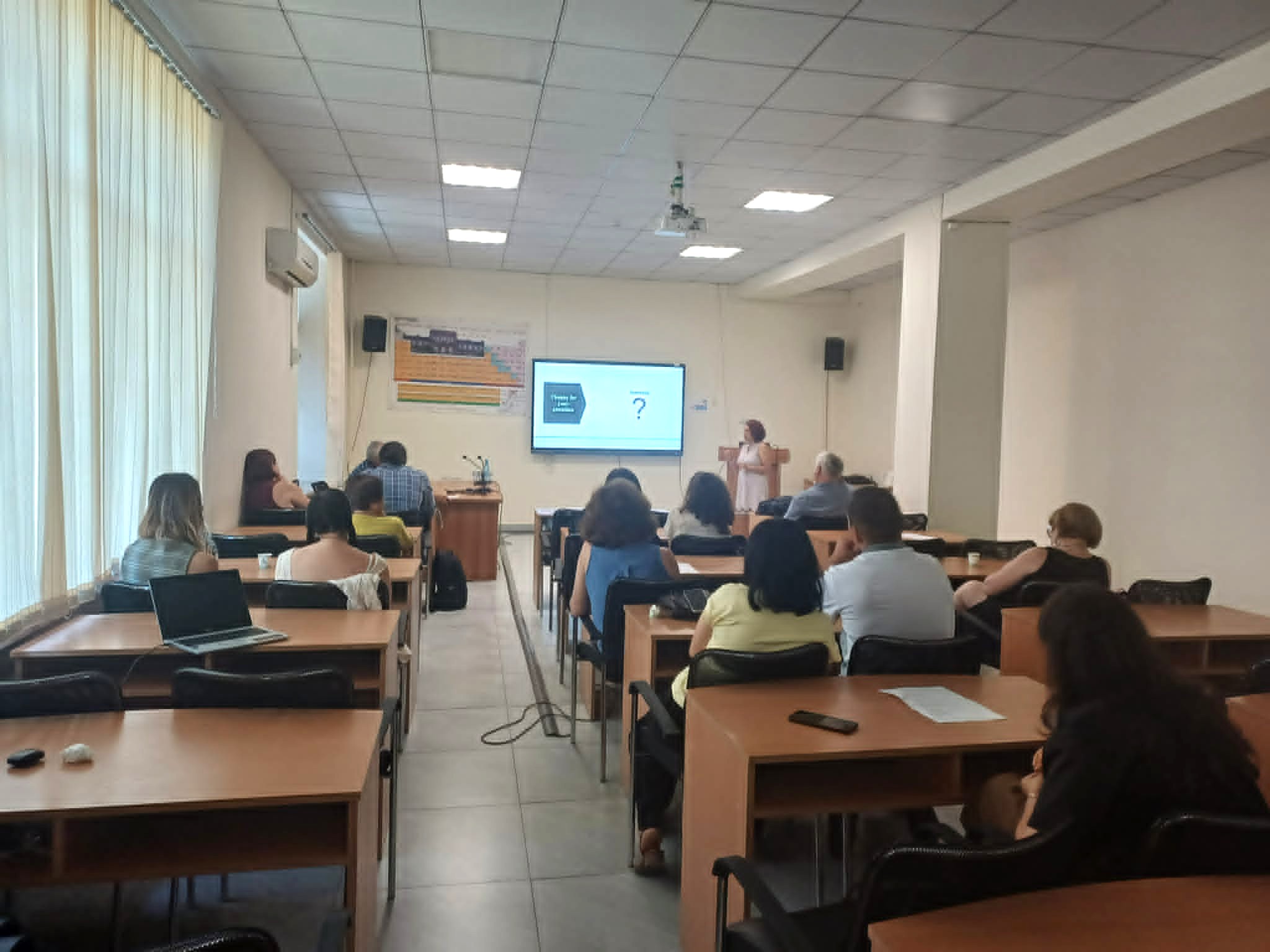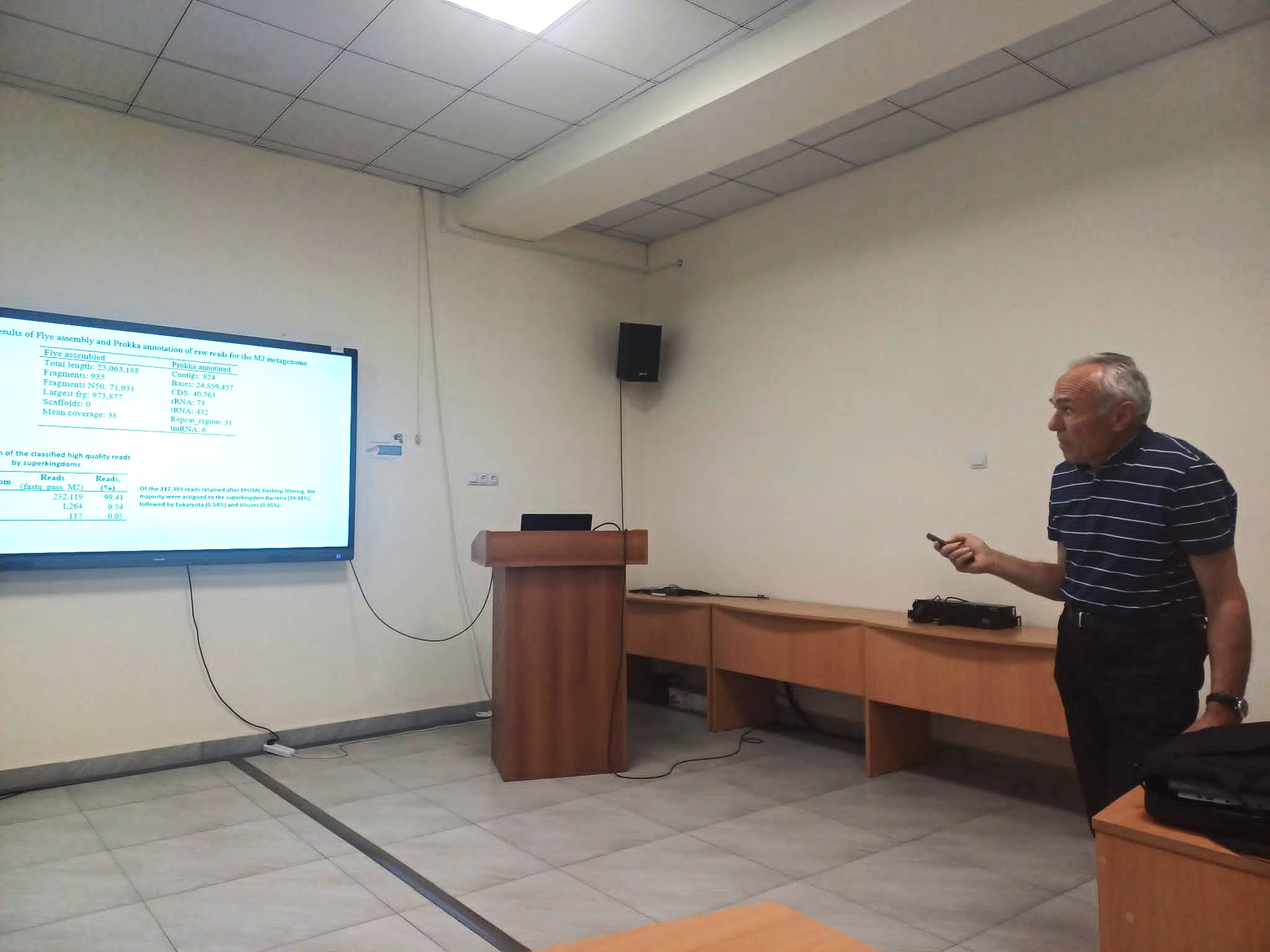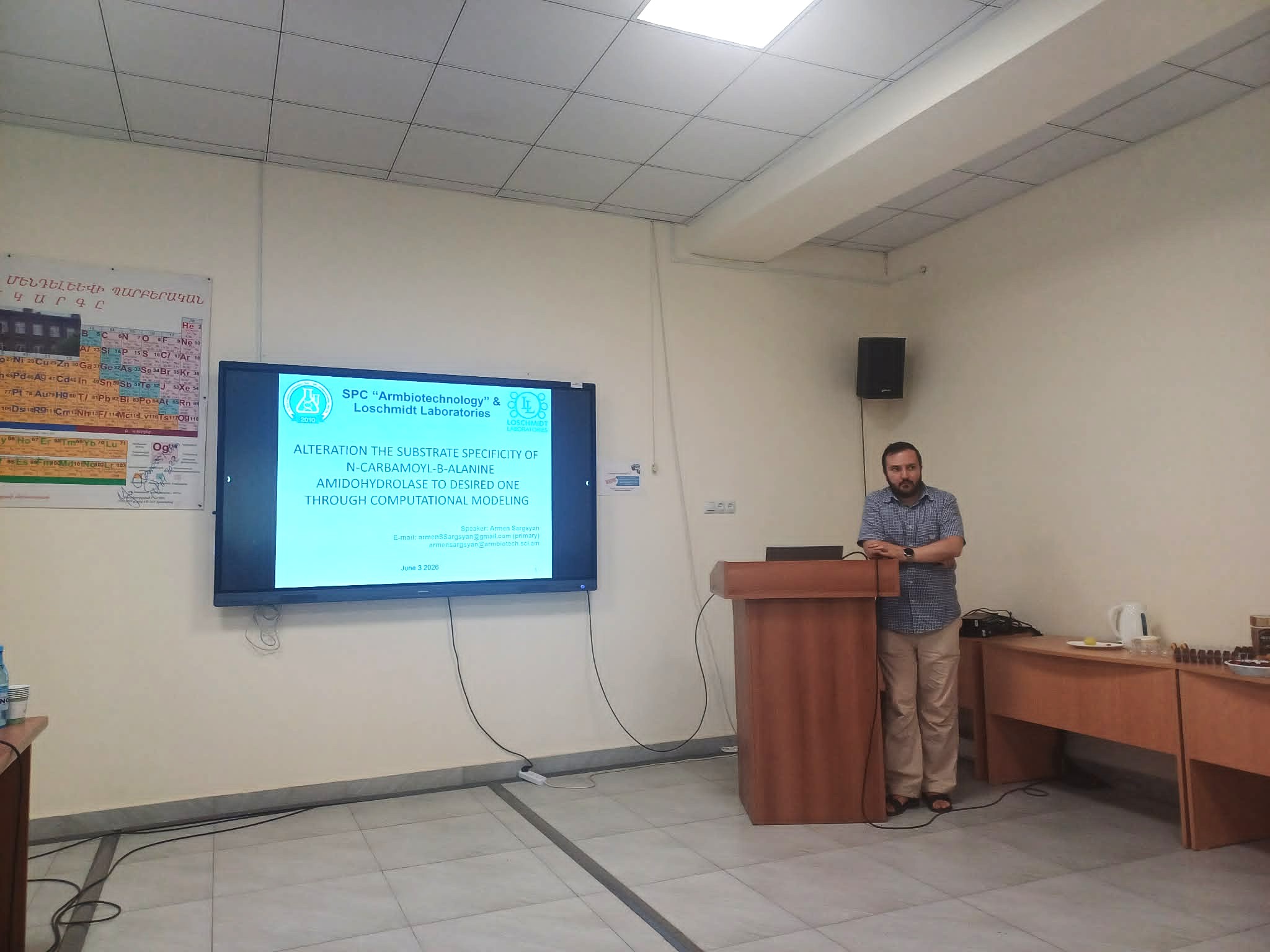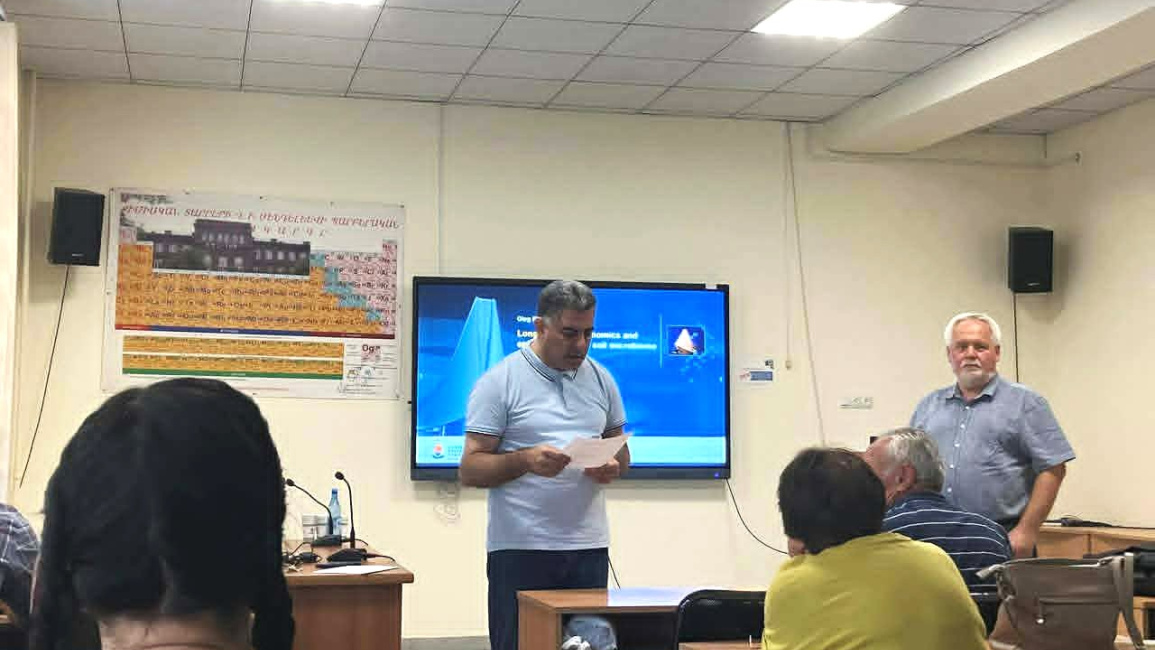
On June 23, the YSU Institute of Pharmacy hosted a joint scientific seminar titled "Current Advances in Microbial Metagenomics and Environmental Microbiology."
The event was organized through the joint efforts of the Armenian Microbiological Association, the Armbiotechnology Scientific and Production Center of the National Academy of Sciences of the Republic of Armenia and Yerevan State University. The seminar aimed to bring together leading Armenian and international scientists to discuss the latest trends and newest research in microbiology, bioinformatics and applied biotechnology.
The event opened with welcoming remarks by the president of the Armenian Microbiological Association and representatives of the Armbiotechnology Scientific and Production Center and Yerevan State University. In their remarks, the speakers emphasized the role of such scientific platforms in exchanging experience, engaging young researchers and strengthening ties between scientific institutions.
The seminar was conducted in English. During the seminar, which consisted of two main scientific sessions, leading specialists from Armenia and abroad presented the results of their latest research.
The first scientific session, chaired by Professor Hovik Panosyan, opened with a special lecture by Professor Oleg Reva of the University of Pretoria in South Africa, focused on the restoration of the soil microbiome. The session also featured presentations by Arthur Hambardzumyan, Hovik Panosyan and Inga Bazukyan. They addressed metagenomic studies of high-temperature composts, the biotechnological potential of Armenia's extremophile microorganisms and the impact of insecticides on the gut microbiome of bees.
The second scientific session, chaired by Dr. Arthur Hambardzumyan, was devoted entirely to applied biotechnologies and bioinformatics modeling. Presentations were delivered by Ani Paloyan, Armine Margaryan, Razmik Sargsyan and Armen Sargsyan. The topics discussed included the isolation of enzymes from hot springs, the isolation of microorganisms with bioremediation potential from mining areas, genomic studies of lichens and the modification of enzyme properties through computer modeling.
Participants focused on several areas related to modern biology, including:
microbial metagenomics, ecology and extremophile biology;
molecular microbiology and omics technologies;
bioremediation and applied biotechnology;
bioinformatics.
The seminar concluded with a wrap-up discussion, during which future joint scientific programs, opportunities to expand international cooperation and the launch of new projects were outlined. During breaks and informal exchanges, participants shared numerous ideas, once again demonstrating the importance of such events in integrating Armenian scientific thought into international platforms.