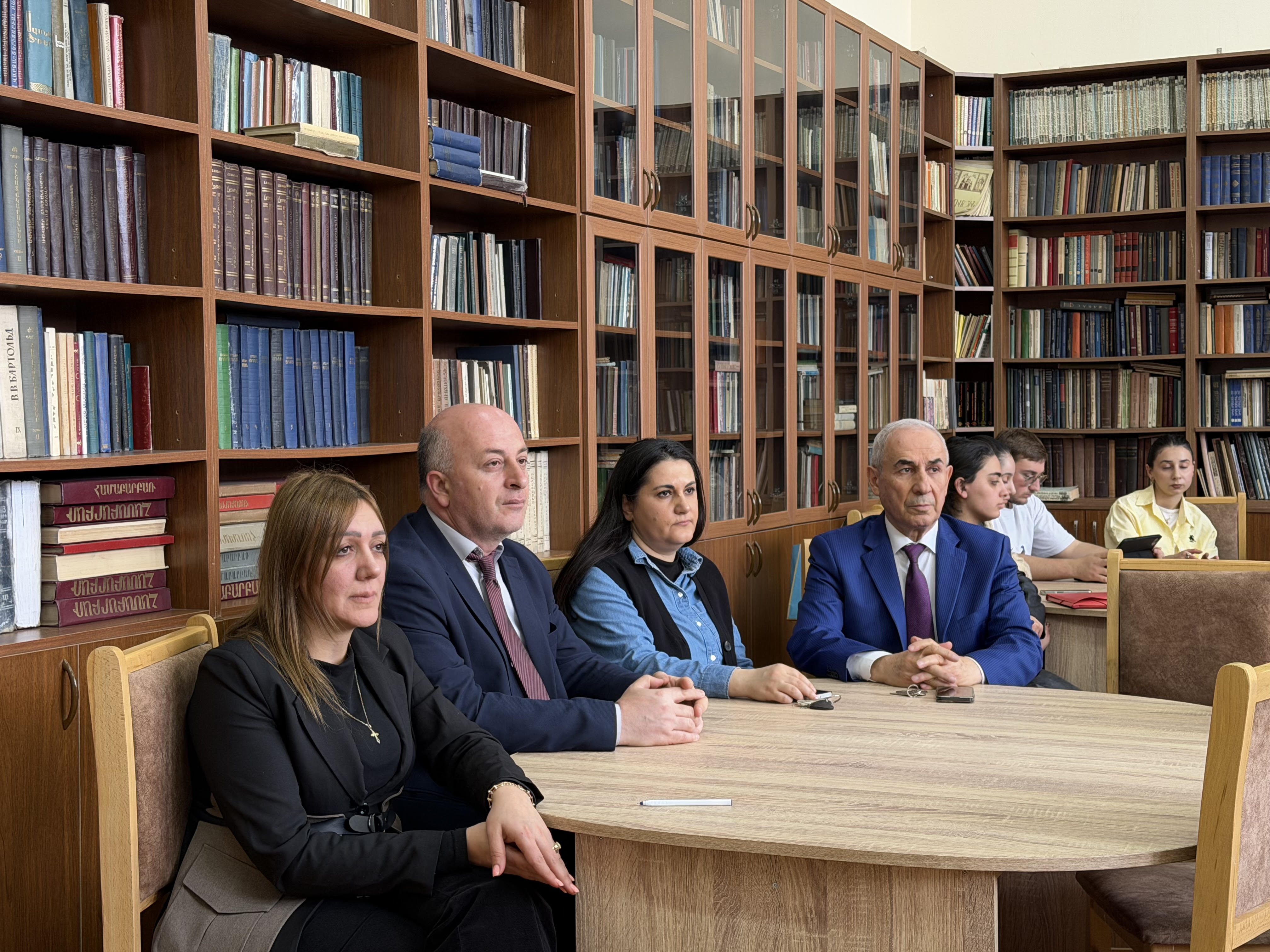
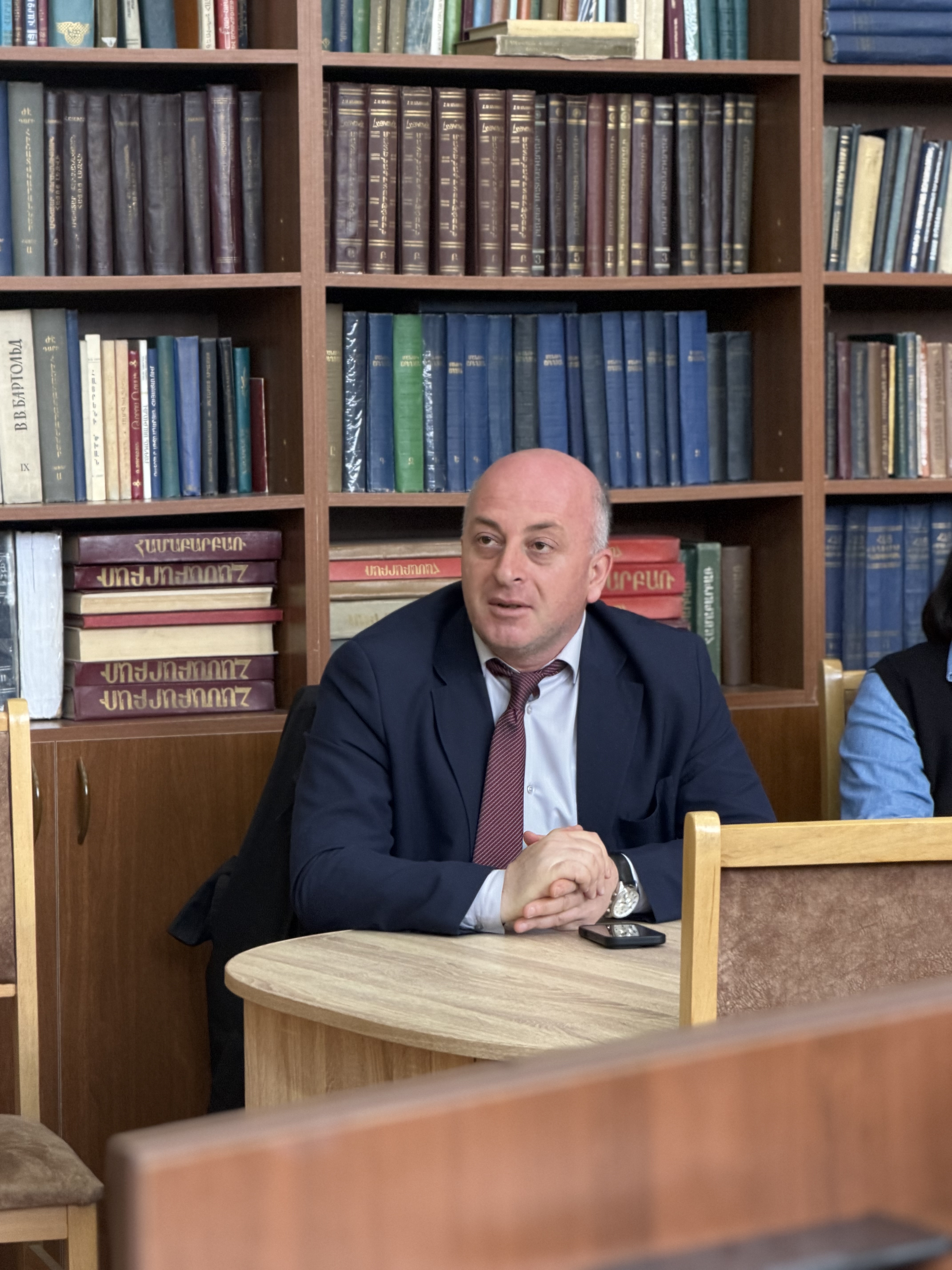
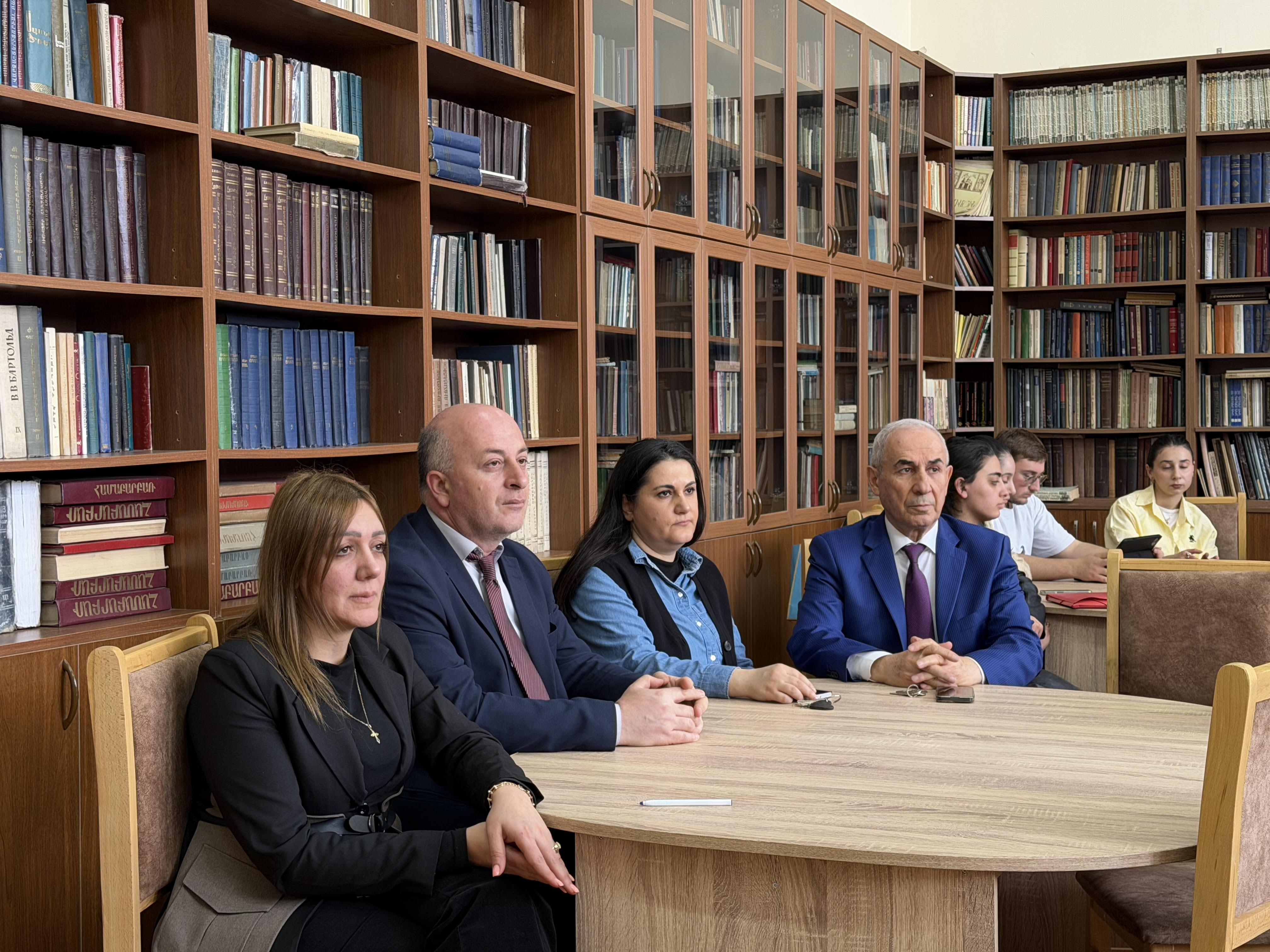
On March 17, the YSU Faculty of History hosted a seminar titled "The Dilemma of Repatriation and Emigration in the Diaspora, 1945–1988", as part of the university's series of scientific reporting seminars. Associate Professor Tigran Ghanalanyan from the Chair of Armenian History, presented findings from a study funded by the "Research Support Program for Young Scientists-2025" grant, awarded by the Higher Education and Science Committee of the RA Ministry of Education, Science, Culture, and Sports.
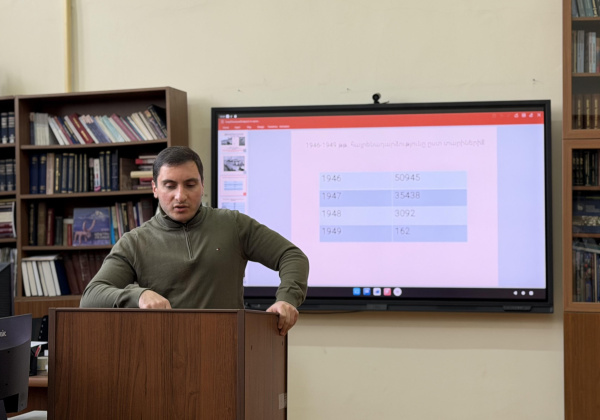
The report addressed the 1946–1949 repatriation process and the simultaneous internal shifts occurring within the Diaspora. Ghanalanyan identified the primary factors influencing the decision to repatriate, seeking to clarify the extent to which the process aligned with the formal definition of "repatriation" and which territories were perceived as the "homeland" by Diaspora Armenians.
The speaker emphasized that perceptions of Soviet Armenia differed significantly between the 1946–1949 wave and the phase of repatriation that resumed in 1962. It was noted that by the late 1950s—and particularly throughout the 1960s—internal migration within the Diaspora became notably active.
The seminar also provided a detailed analysis of the causes and conditions of Armenian emigration from Egypt, Turkey, Cyprus, Lebanon, and Iran. Ghanalanyan outlined which social groups were most inclined toward repatriation and which preferred to leave the Middle East for destinations such as the United States, Canada, and Australia.
It was emphasized that from the 1960s onward, the drive for repatriation was primarily characteristic of Middle Eastern Armenians, with regional political and social developments playing a decisive role. According to Ghanalanyan, while thousands of Armenians did immigrate to Armenia, a significantly larger number of Diaspora Armenians relocated to Western countries.
The report also underscored the generational factor: while the desire to return to the homeland was more pronounced among the first generation, subsequent generations were often influenced by established social and migration networks. These networks frequently facilitated relocation to the West, where prospects for a more prosperous, stable, and secure life were more apparent.
The seminar concluded with an active discussion, during which participants addressed contemporary repatriation issues, analyzing them within the context of historical processes.
Such seminars, held regularly at the Faculty of History, are vital for integrating the results of faculty research into educational curricula.