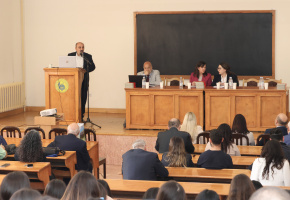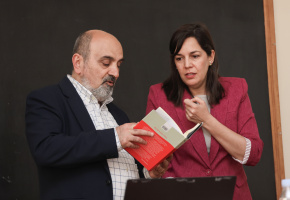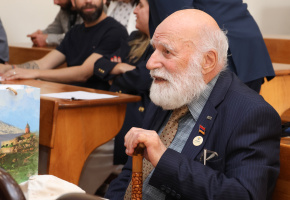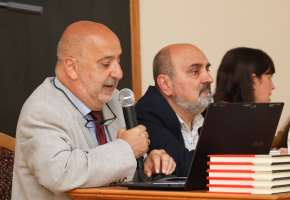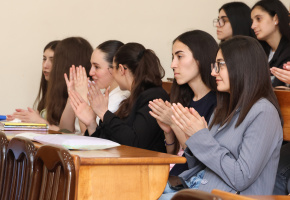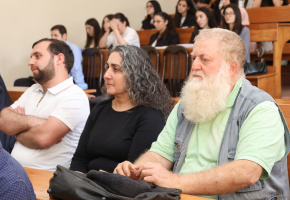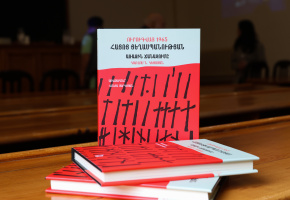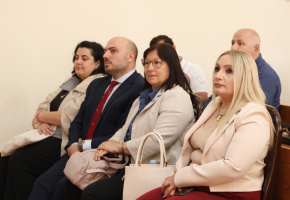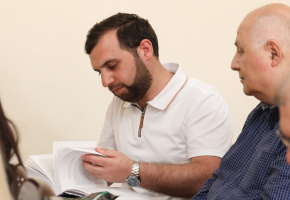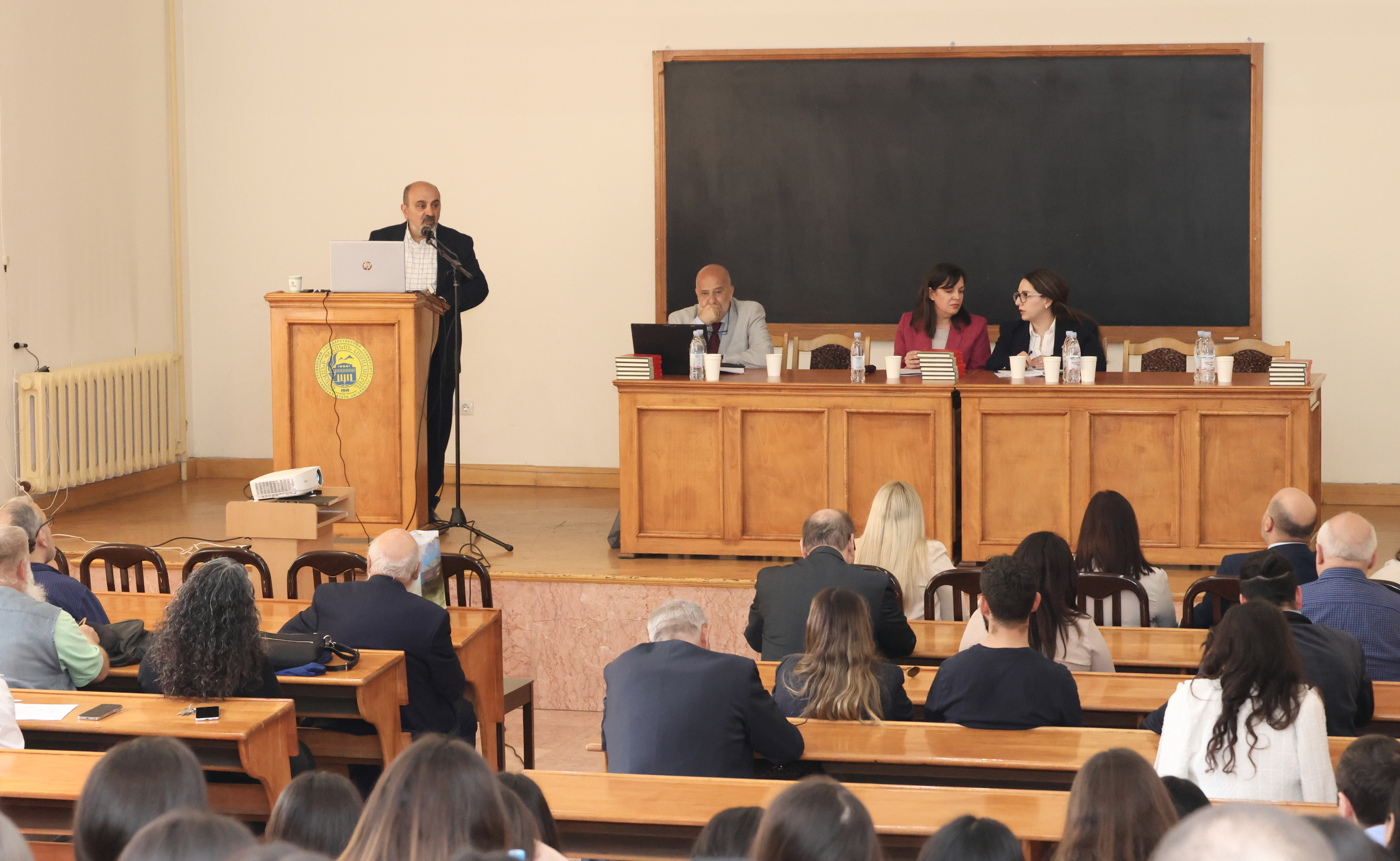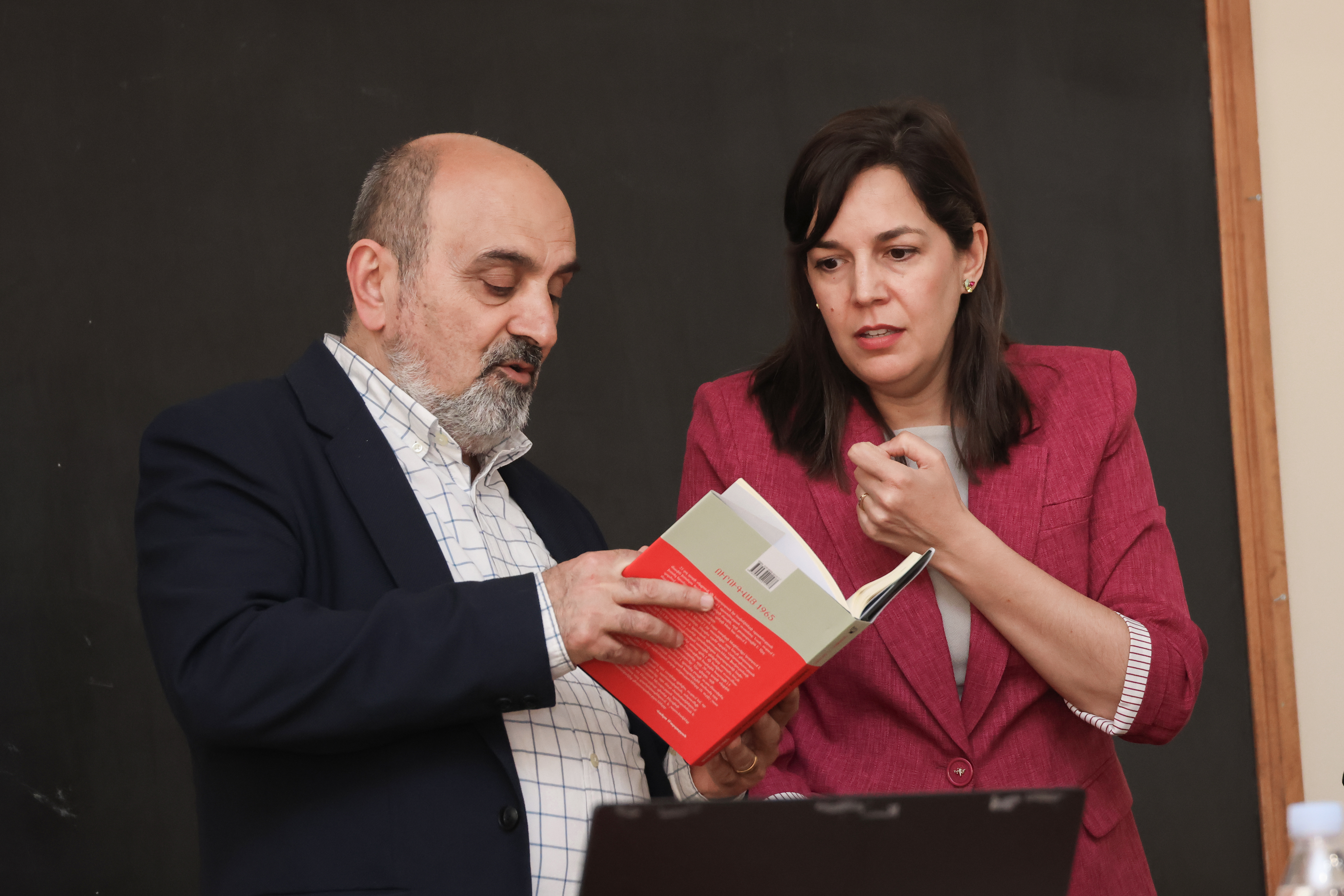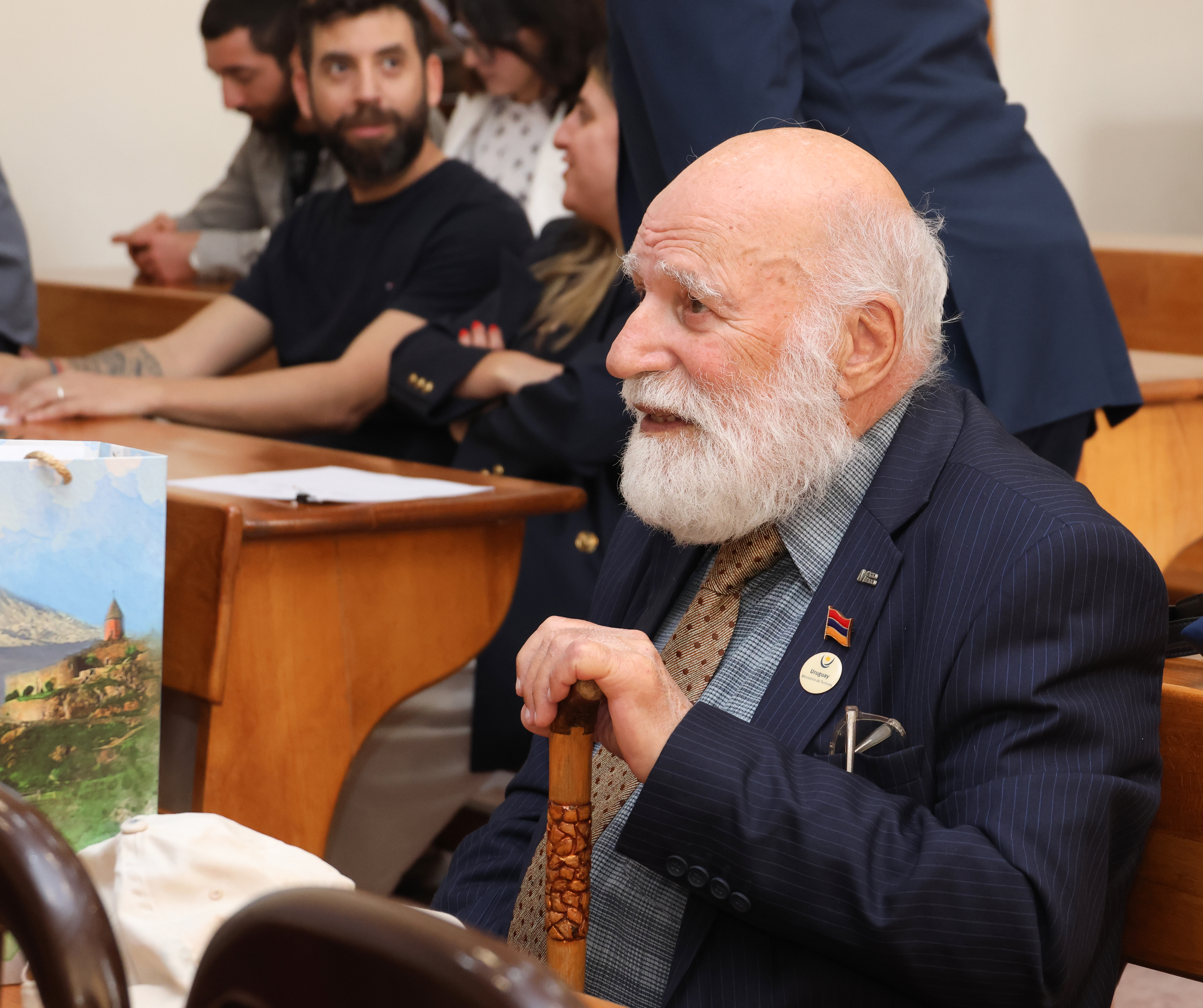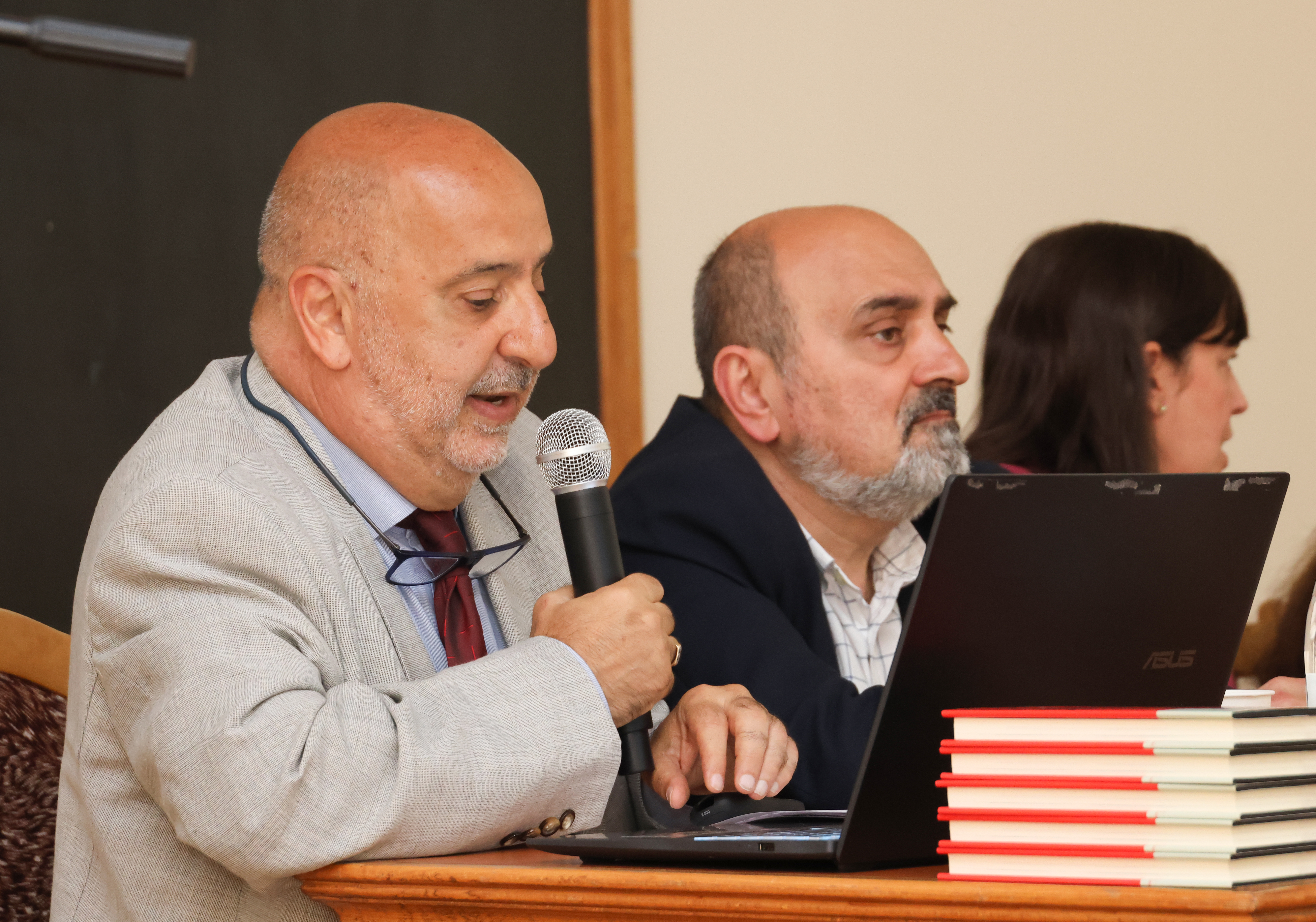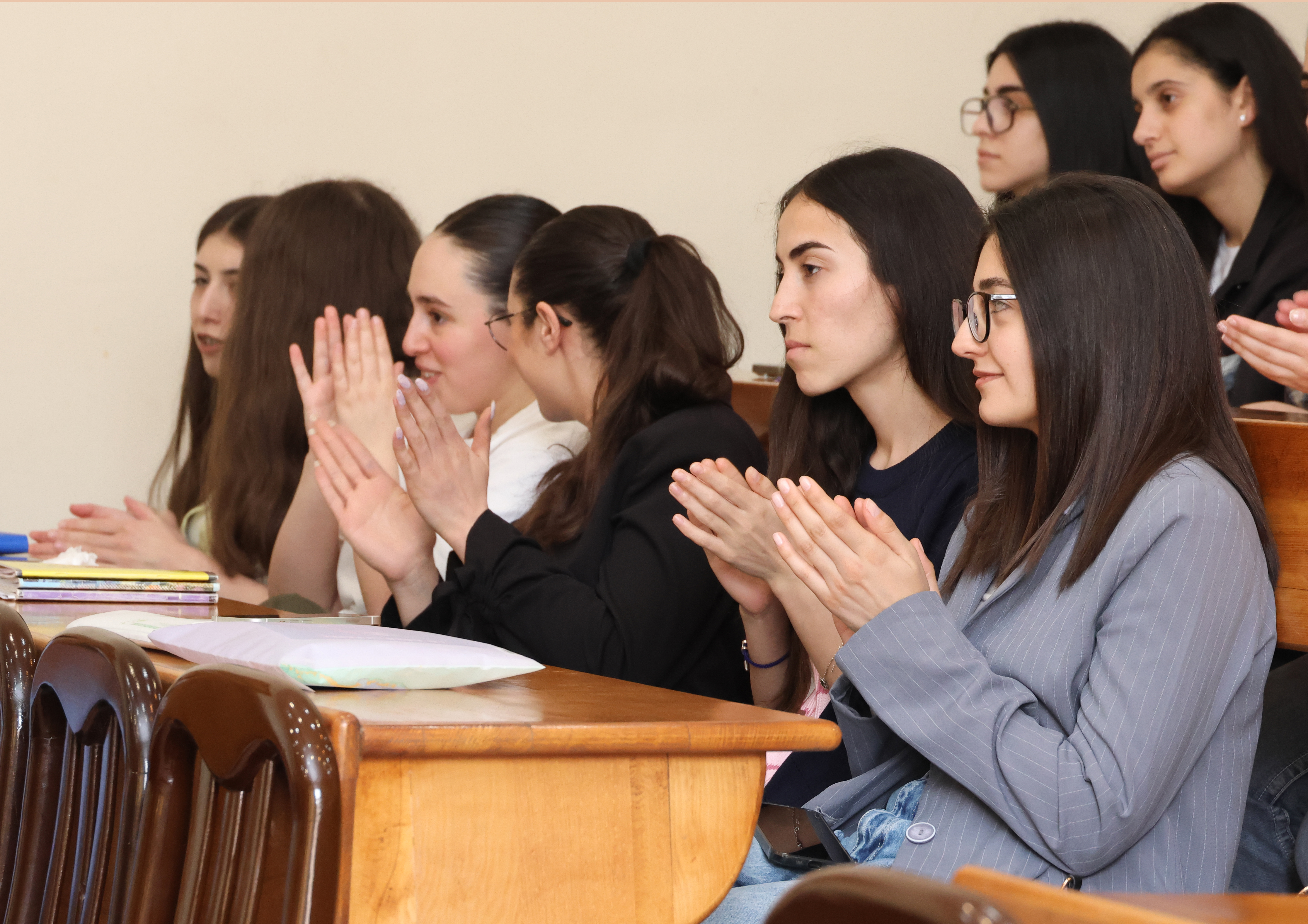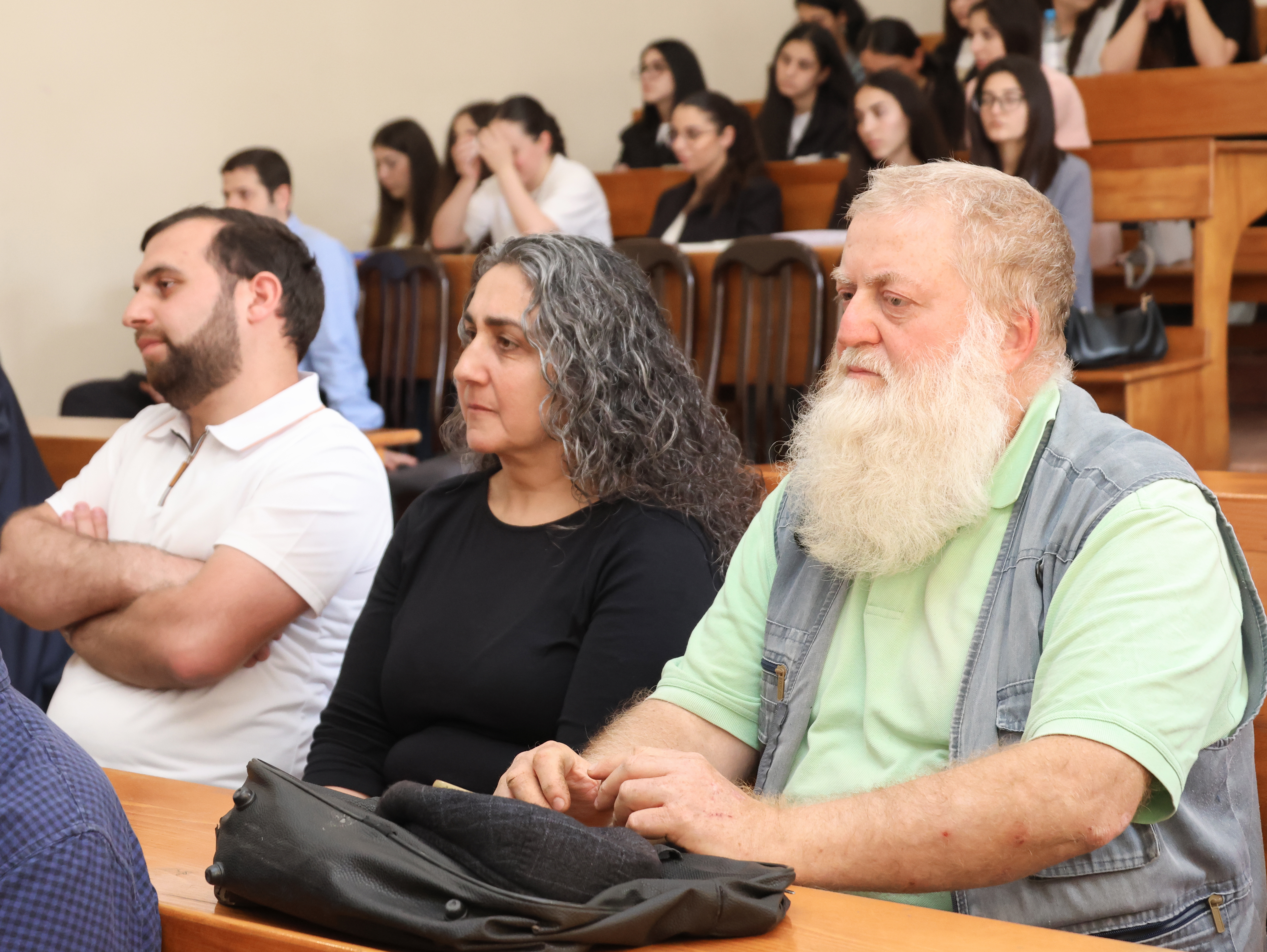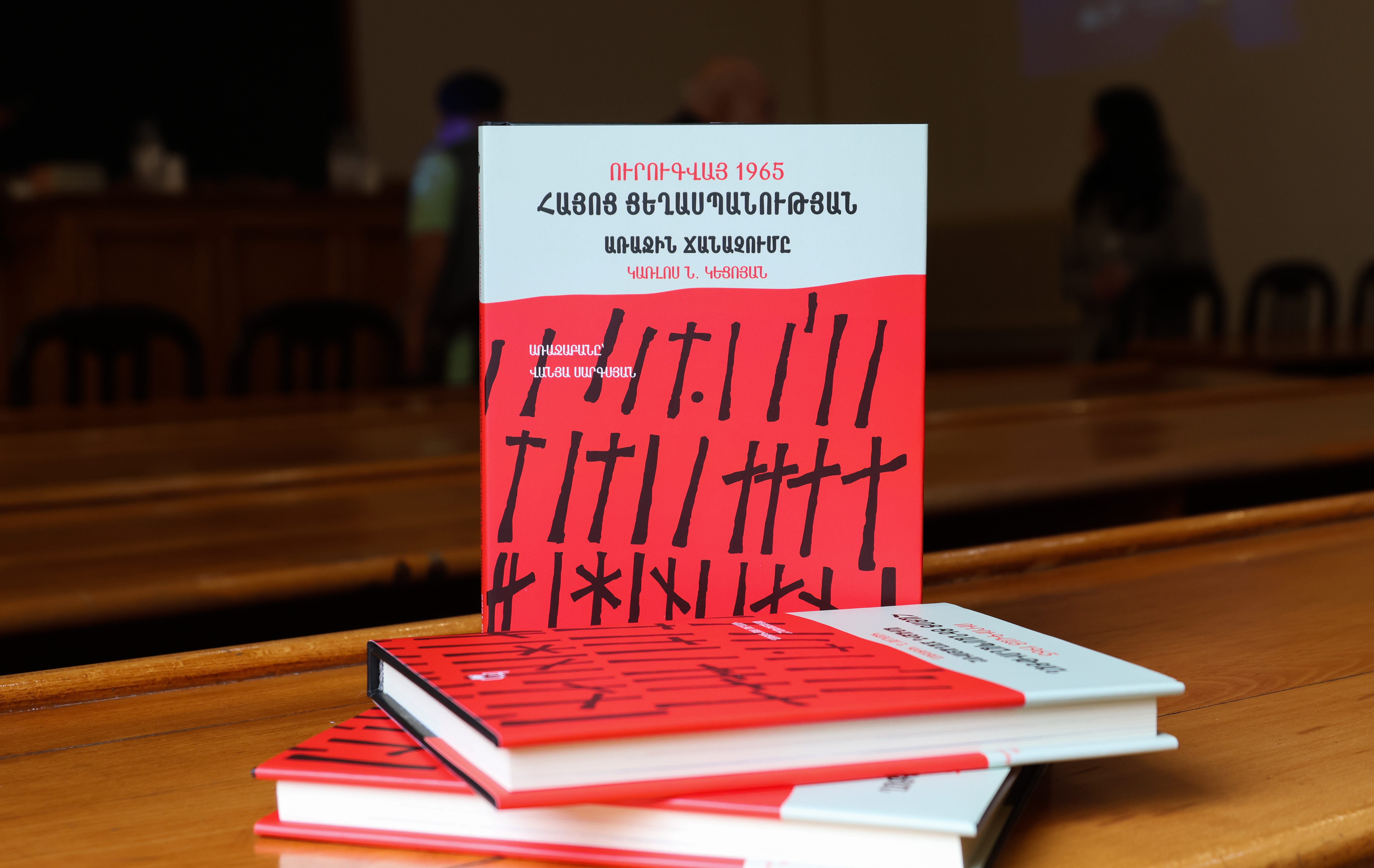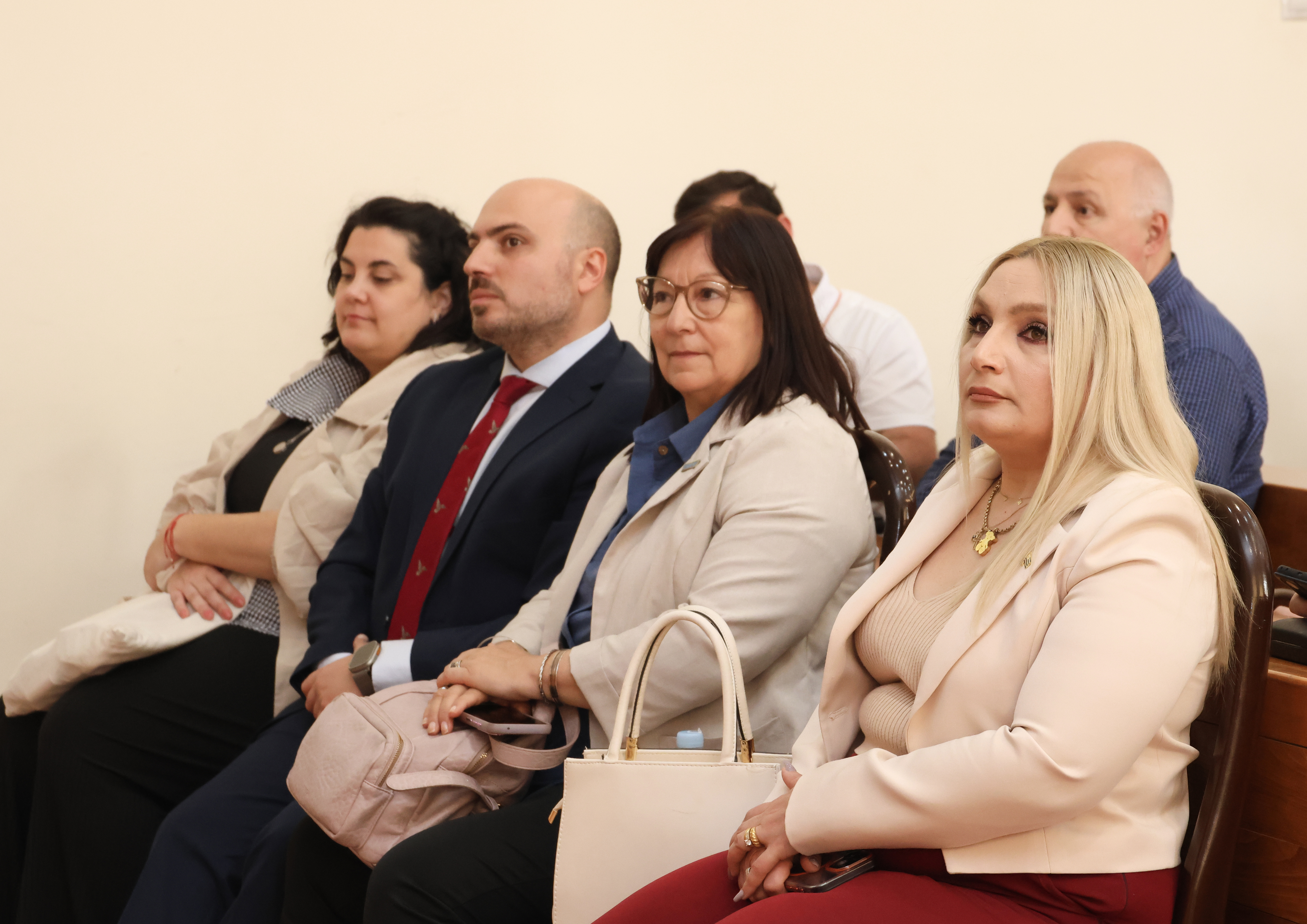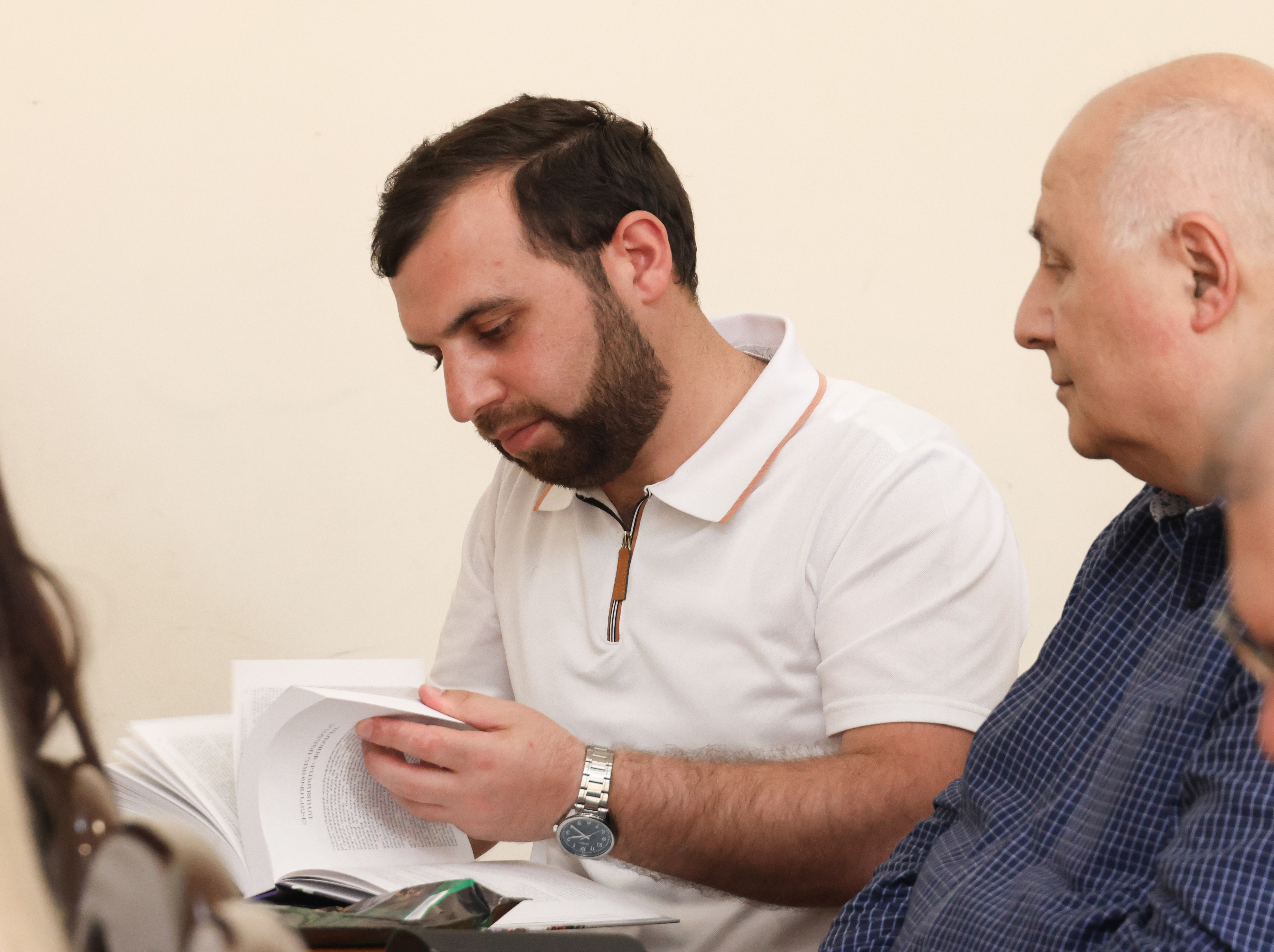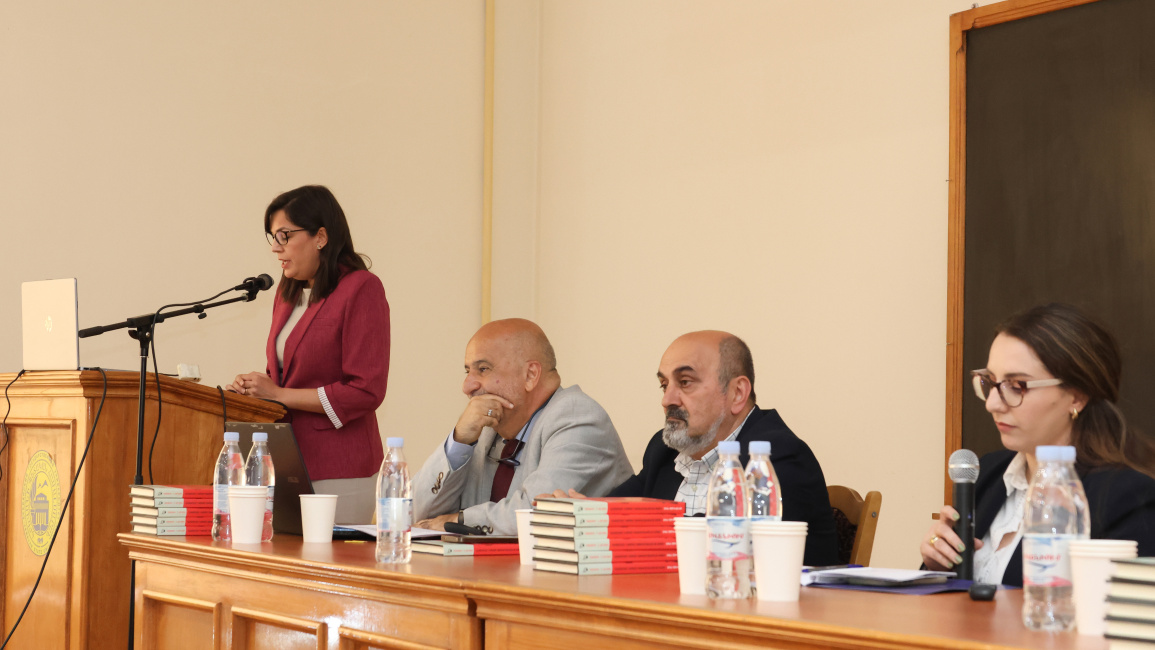
Silvana Lesca Barolin, the Extraordinary and Plenipotentiary Ambassador of the Oriental Republic of Uruguay to Armenia, was hosted at the YSU Faculty of History to attend the presentation of the Armenian-language edition of Dr. Carlos Ketzoian's book "Uruguay 1965: The First Recognition of the Armenian Genocide".
The book examines the legislative process behind the adoption of the law on the Armenian Genocide, the public and political reactions it generated, the role of the Armenian community in this process, as well as Uruguay's socio-economic and political crisis during that period.
The Armenian translation of the work was published on the occasion of the 60th anniversary of the Government of the Oriental Republic of Uruguay's recognition of the Armenian Genocide.
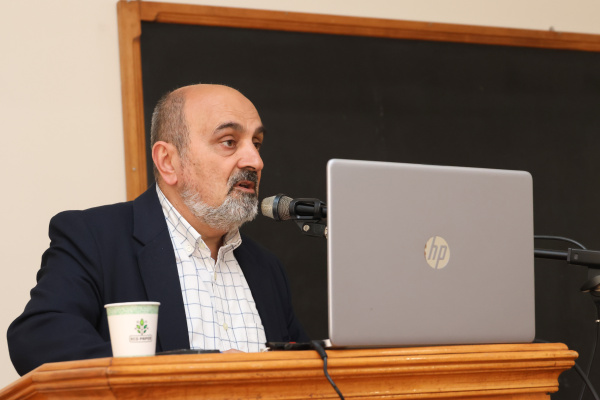
Dean of the Faculty of History, Mkhitar Gabrielyan, noted that the book carries two key messages. First, it serves as a gesture of gratitude toward the courageous individuals in Uruguay who, in 1965, took the political initiative to place the issue of recognizing the Armenian Genocide on the agenda—despite its seeming geographical and chronological distance from them.
Emphasizing the deep value-based foundation of genocide recognition, he stated: "In my view, the recognition of genocide is first and foremost a choice between civilization and barbarism. The recognition of any crime against humanity is, above all, a declaration that we choose civilization."
Addressing the book's second message, Gabrielyan highlighted that it documents how survivors of the Armenian Genocide found a new homeland, home, and citizenship in Uruguay—made possible by the country's strong civilizational, historical-cultural, and societal foundations.
He also underscored Uruguay's continued support for Armenia, noting that it has provided long-term encouragement for Armenia and its society to remain consistent in the pursuit of genocide recognition.
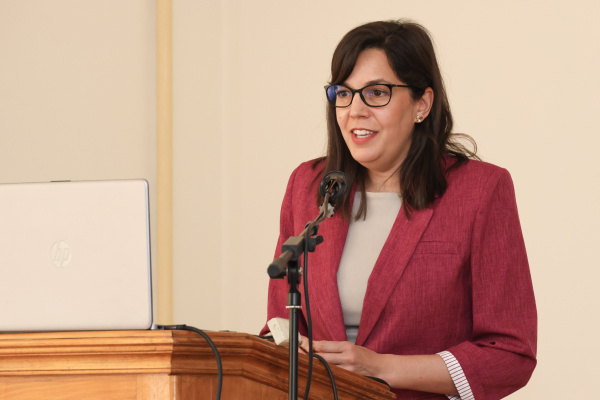
Silvana Lesca Barolin, emphasizing that Uruguay was the first country in the world to officially recognize the Armenian Genocide, stated: "This book is a study showing that my country, Uruguay, was the first in the world to recognize the Armenian Genocide in April 1965 through Law No. 13.326. Uruguay adopted a law that stands on the side of human rights and gives importance to this event. This demonstrates that Uruguay is a country whose doors are open to people."
The ambassador noted that Uruguay's decision was not accidental but rather the result of persistent efforts by Armenian youth organizations. "By preserving memory, we help prevent the recurrence of such atrocities," she said, emphasizing the importance of strengthening relations between the two countries.
Author and historian Carlos Ketzoian addressed the complex situation in Uruguay in 1965 and the role of the Armenian community.
"1965 was a crisis year for Uruguay—financial, banking, political, and even climatic. It was referred to as the 'terrible year.' The swift adoption of this law in such a context demonstrates the political will of the Uruguayan government," he noted.
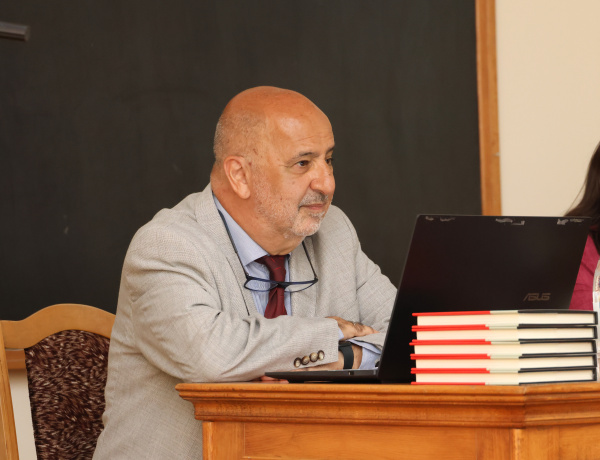
He also explained textual peculiarities of the law, shaped by the geopolitical realities of the time. "Although the term 'genocide' and the perpetrator—the Ottoman Empire—are not mentioned in the law itself, explanatory memoranda and parliamentary speeches clearly identify it as genocide. The omission of the term should be interpreted within the Cold War context," he stressed.
Presenting the history of the Armenian community in Uruguay, Ketzoian noted that it gained significant momentum particularly in the 1920s and 1930s. Armenian migrants, primarily settling in the capital Montevideo, established compatriotic unions, religious institutions, and educational organizations that became pillars of identity preservation.
It should be noted that the work "Uruguay 1965: The First Recognition of the Armenian Genocide" by Carlos Ketzoian was recommended for publication by the Chair of Armenian History and the Academic Council of the YSU Faculty of History. The Spanish-language edition of the book was published in 2025.