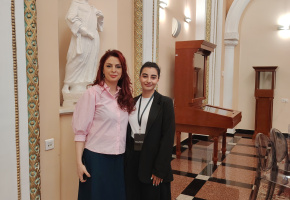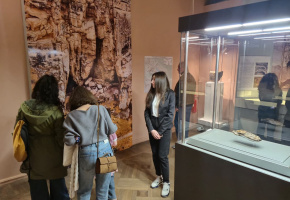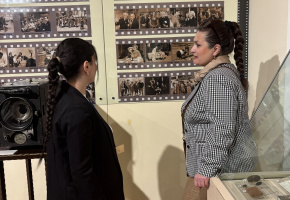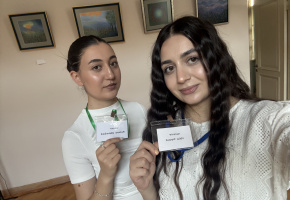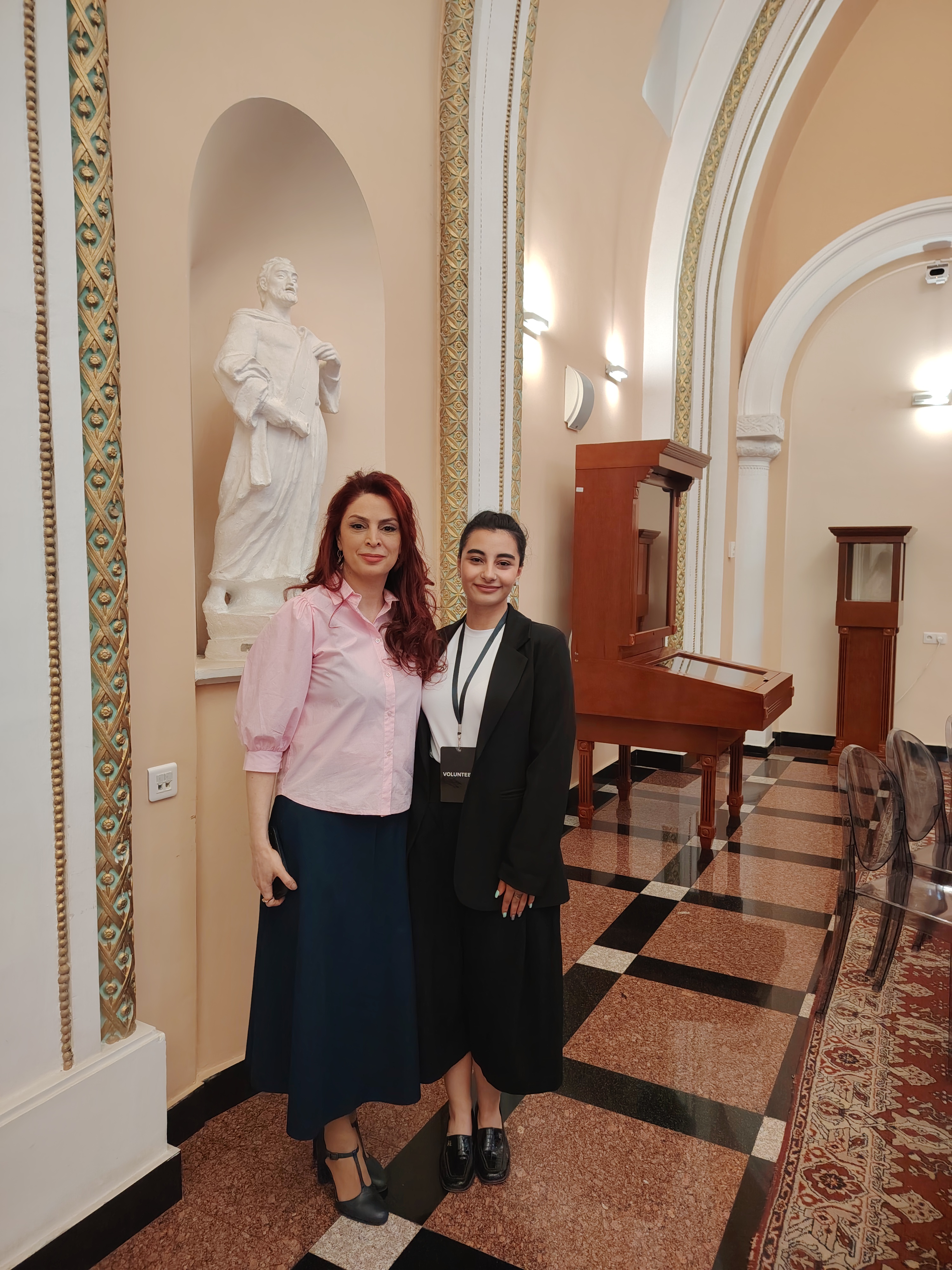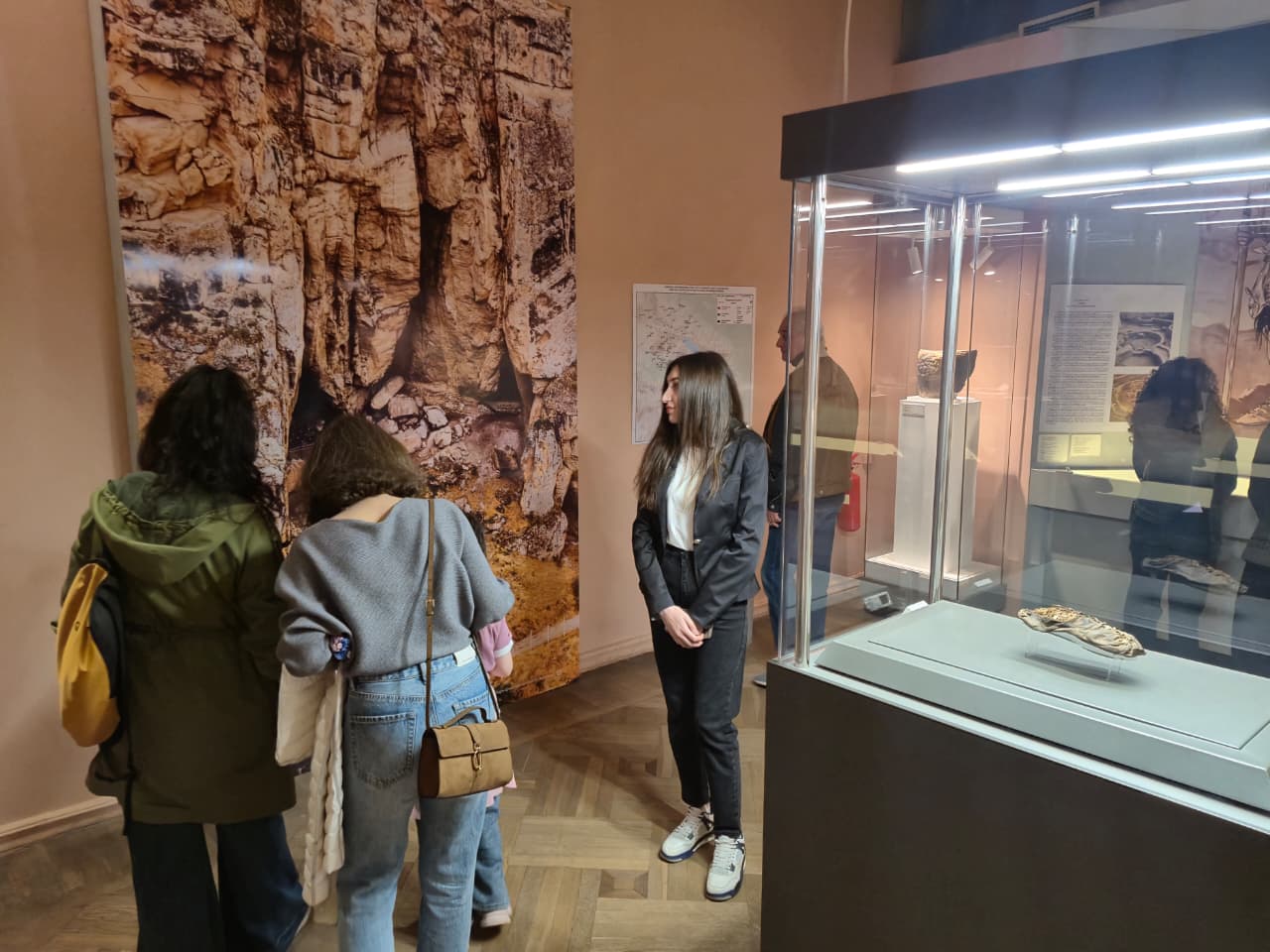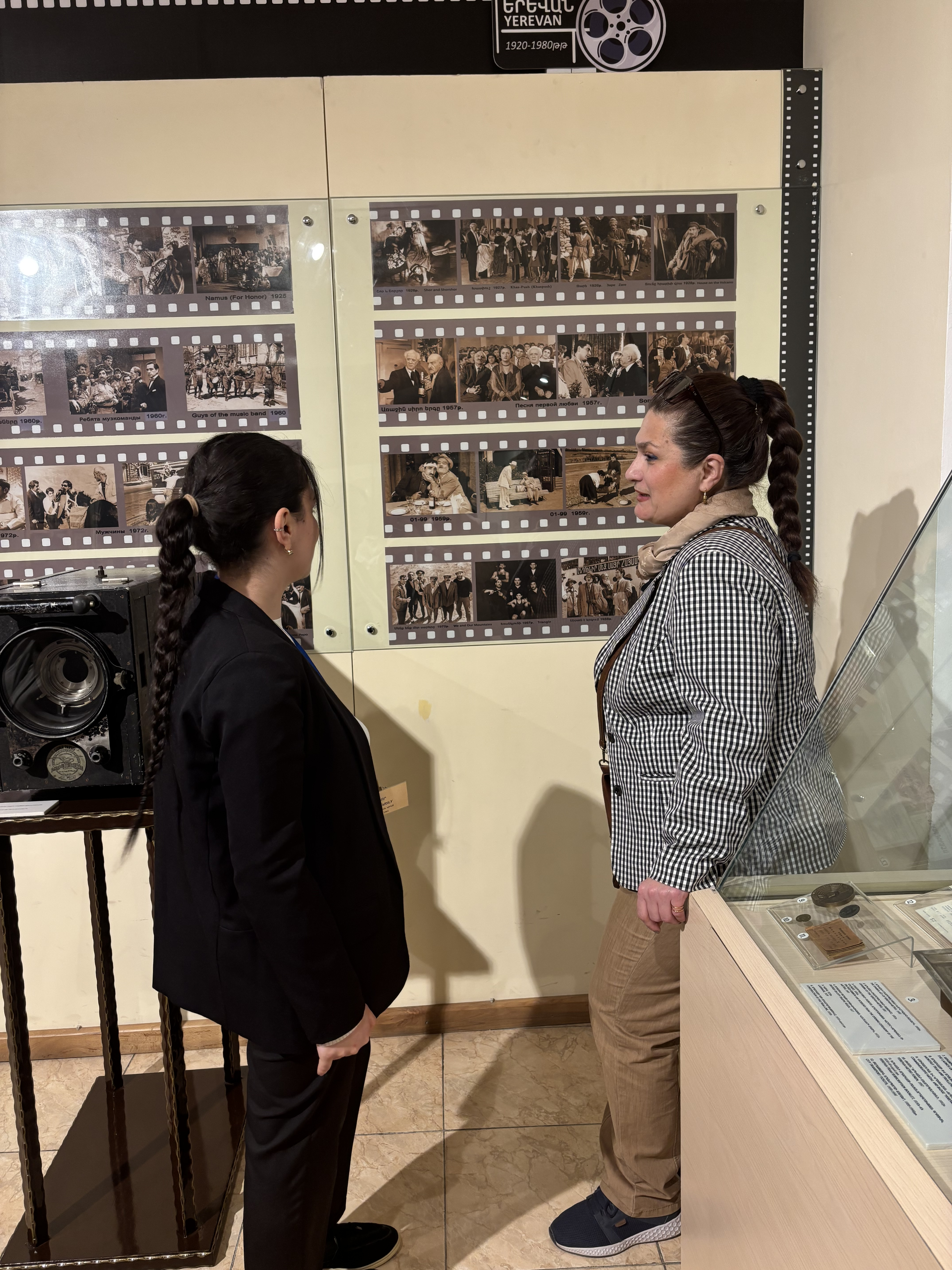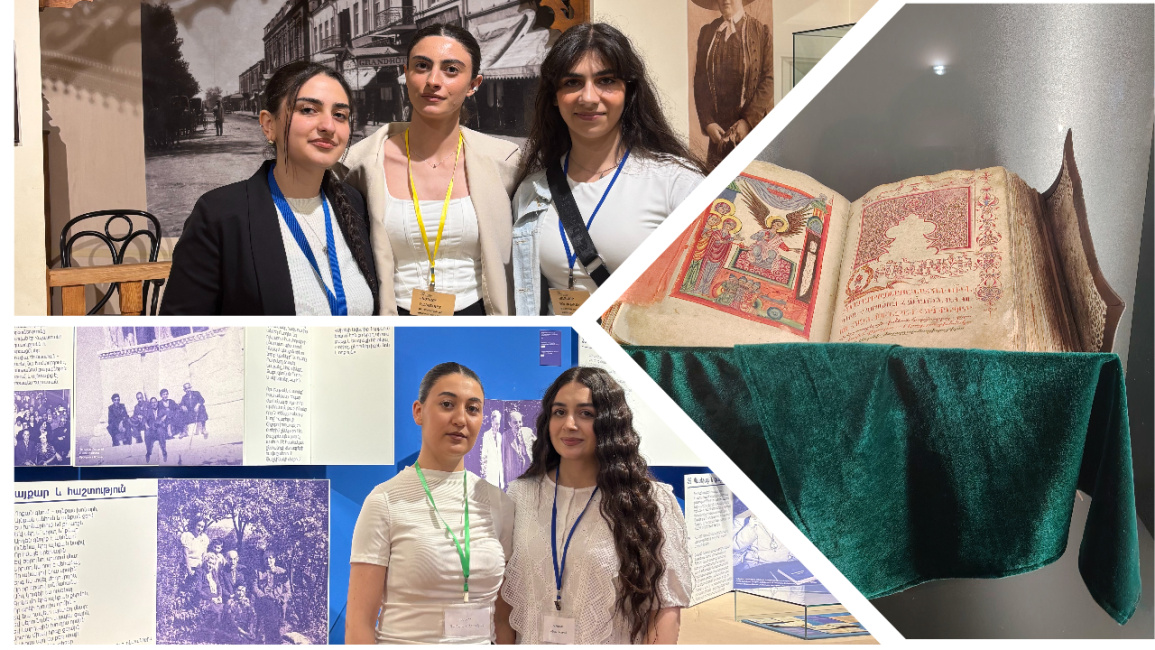
The Europe-wide Night of Museums initiative, which launched on May 16, once again brought together thousands of culture lovers in Yerevan and Armenia's provinces. For the second consecutive year, 42 volunteer students from the YSU Faculty of History participated in the expanding annual event, serving as a bridge between visitors and historical and cultural heritage.
The annual initiative serves as an important platform for raising public cultural awareness and reimagining museums as dynamic educational and research environments. Thematic exhibitions, interactive programs, and professional discussions organized within the framework of the event not only promote cultural values but also expand the scope of public engagement.
The YSU Faculty of History prioritizes the study of museology and museum work through combining theoretical education with practical experience. Student participation in such initiatives provides opportunities to acquire new professional skills, become familiar with the specifics of museum work, and strengthen cooperation between universities and museums.
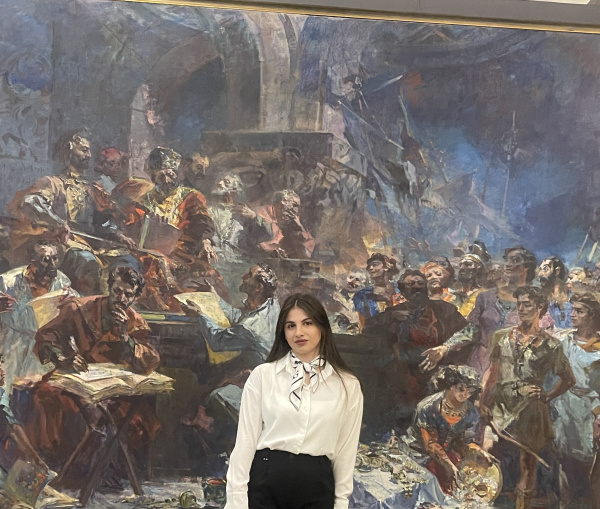
This year, within the framework of the Night of Museums initiative, students from the YSU Faculty of History actively contributed to the work of several leading museums across Armenia. As volunteers, the students supported the History Museum of Armenia, the Matenadaran, the Erebuni Historical and Archaeological Reserve-Museum, the House-Museums of Avetik Isahakyan and Aram Khachaturian, the Cafesjian Museum Foundation, the Yerevan History Museum, the Yerevan Museum of Modern Art, the Armenia Wine History Museum, and the Orbeli Brothers Museum.
Fenya Lazaryan, a volunteer at the History Museum of Armenia, noted that volunteering during the Night of Museums initiative was both an inspiring experience and one that required considerable responsibility. According to her, the large number of visitors enabled students to apply the theoretical knowledge acquired at the university in a real museum environment, providing professional experience for each participant. She also emphasized that the initiative offered an opportunity to experience the museum's working atmosphere from within and gain practical insight into cultural communication, internal museum regulations, and the principles of professional ethics.
The students assisted with visitor reception, interpretation of exhibitions, conducting tours, and other organizational tasks. Positive feedback from museum representatives indicated that the students' active and responsible participation significantly contributed to the successful and effective implementation of the initiative.