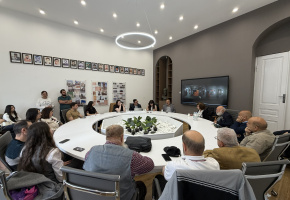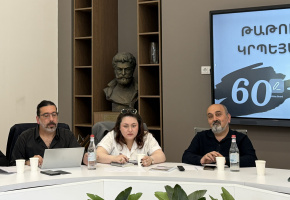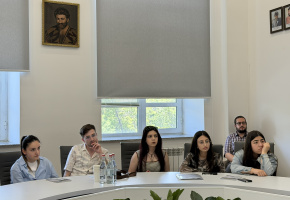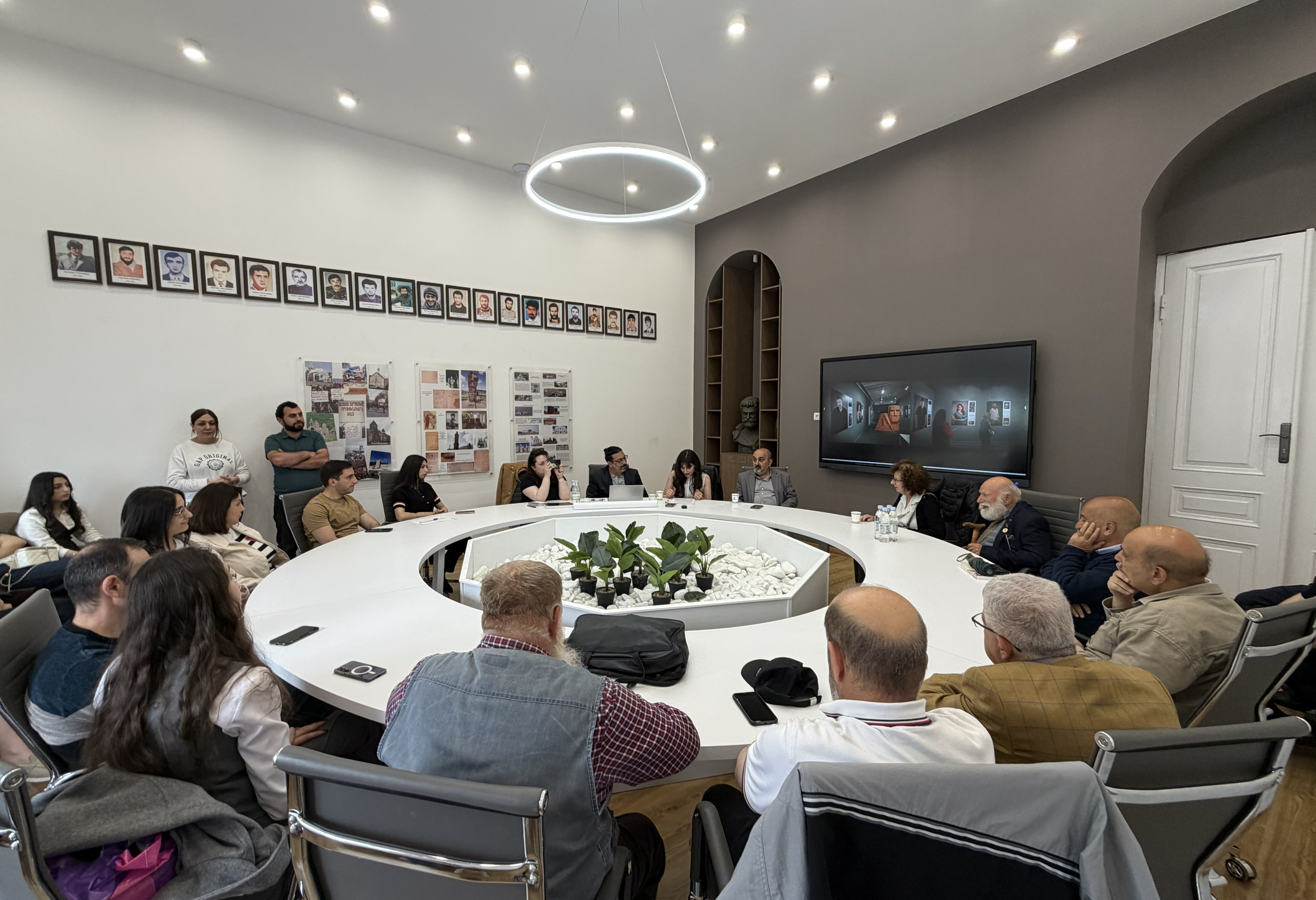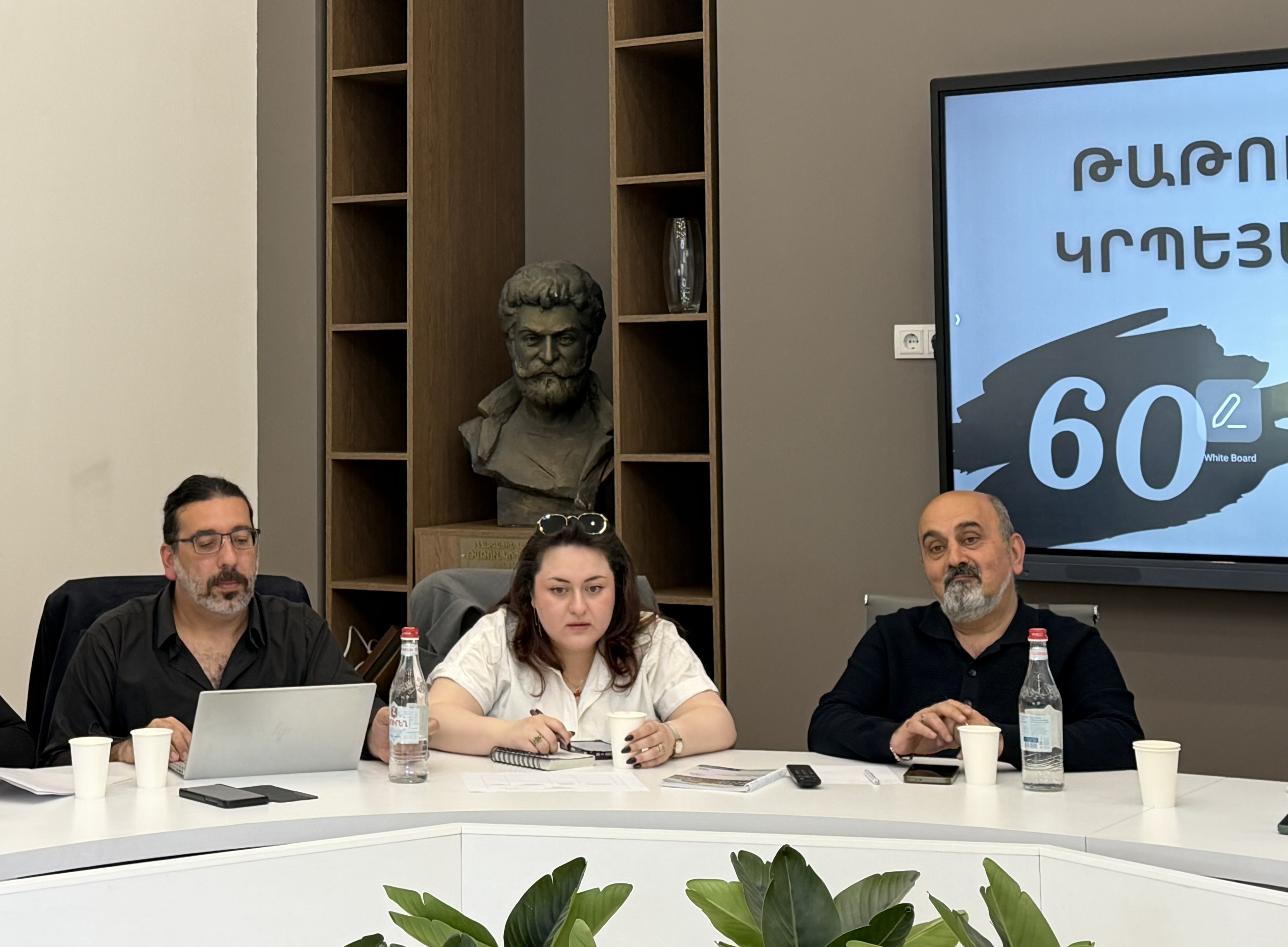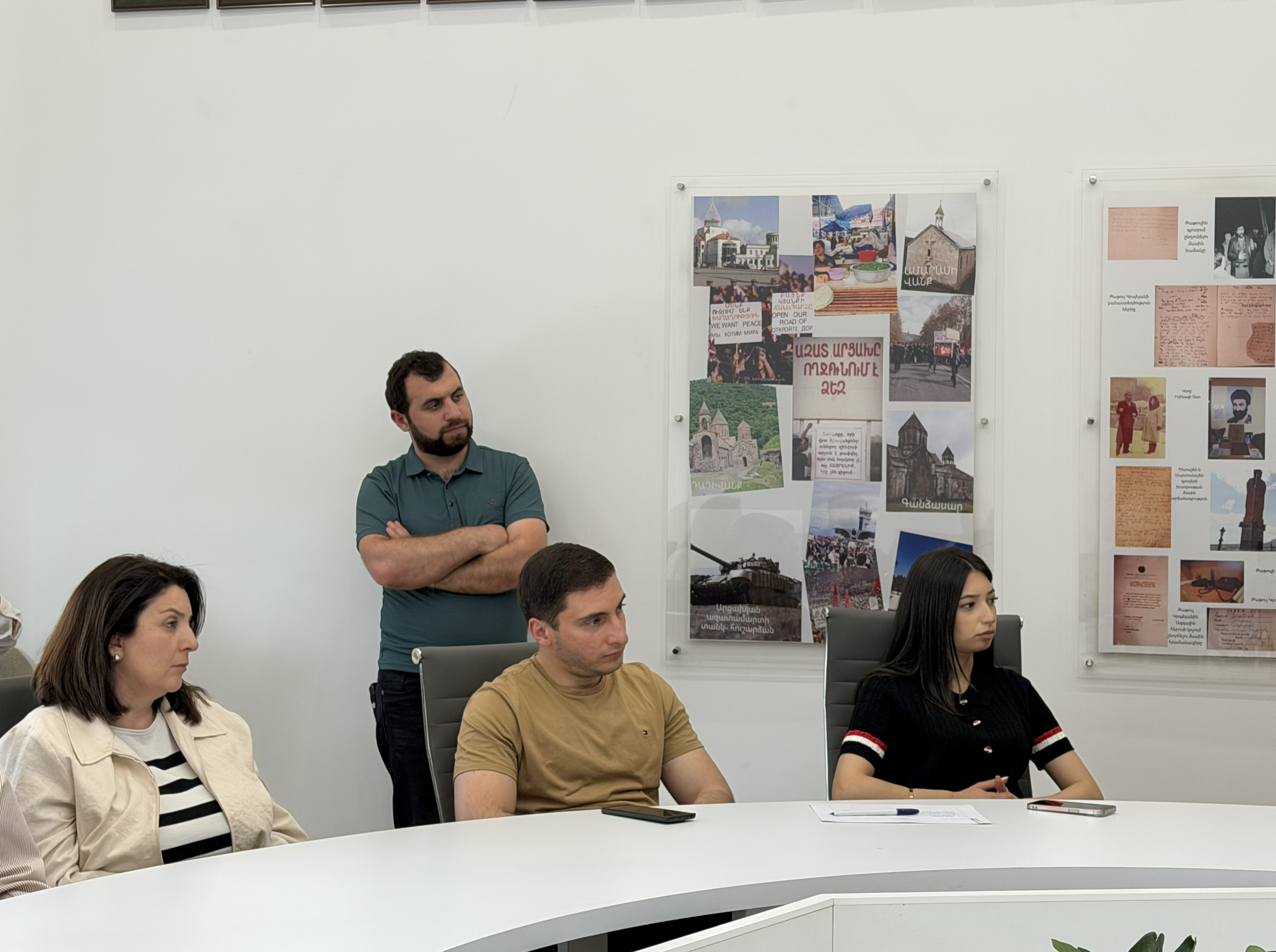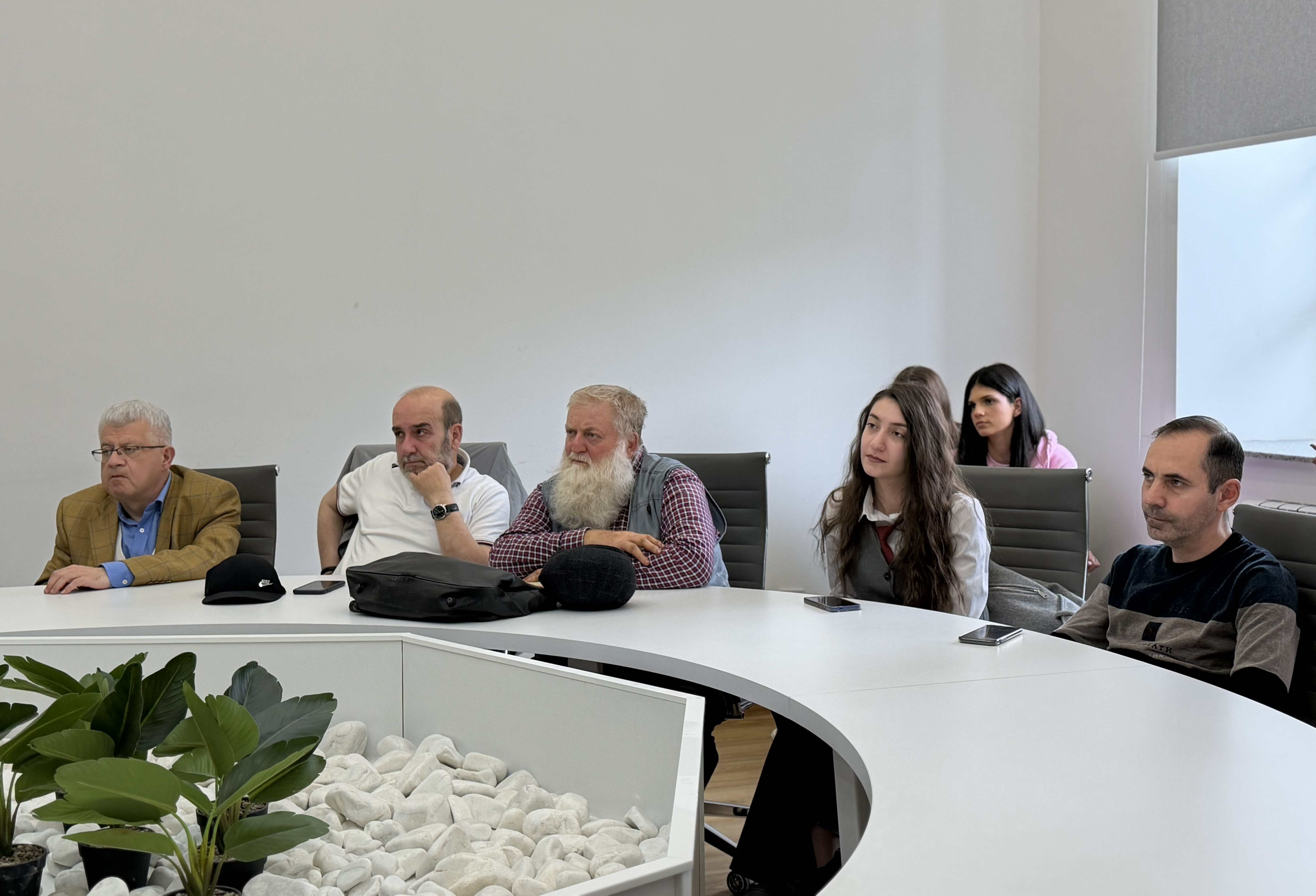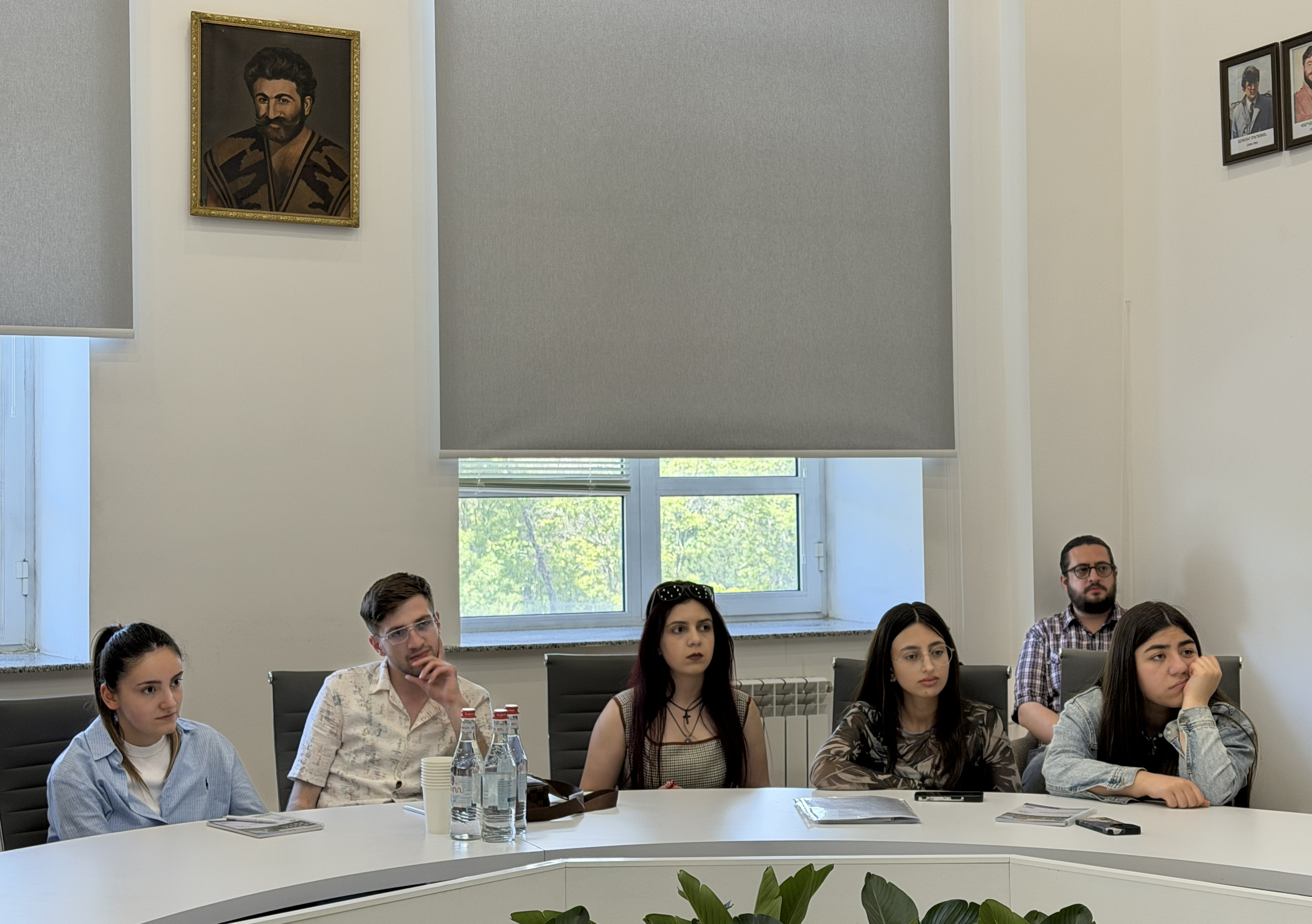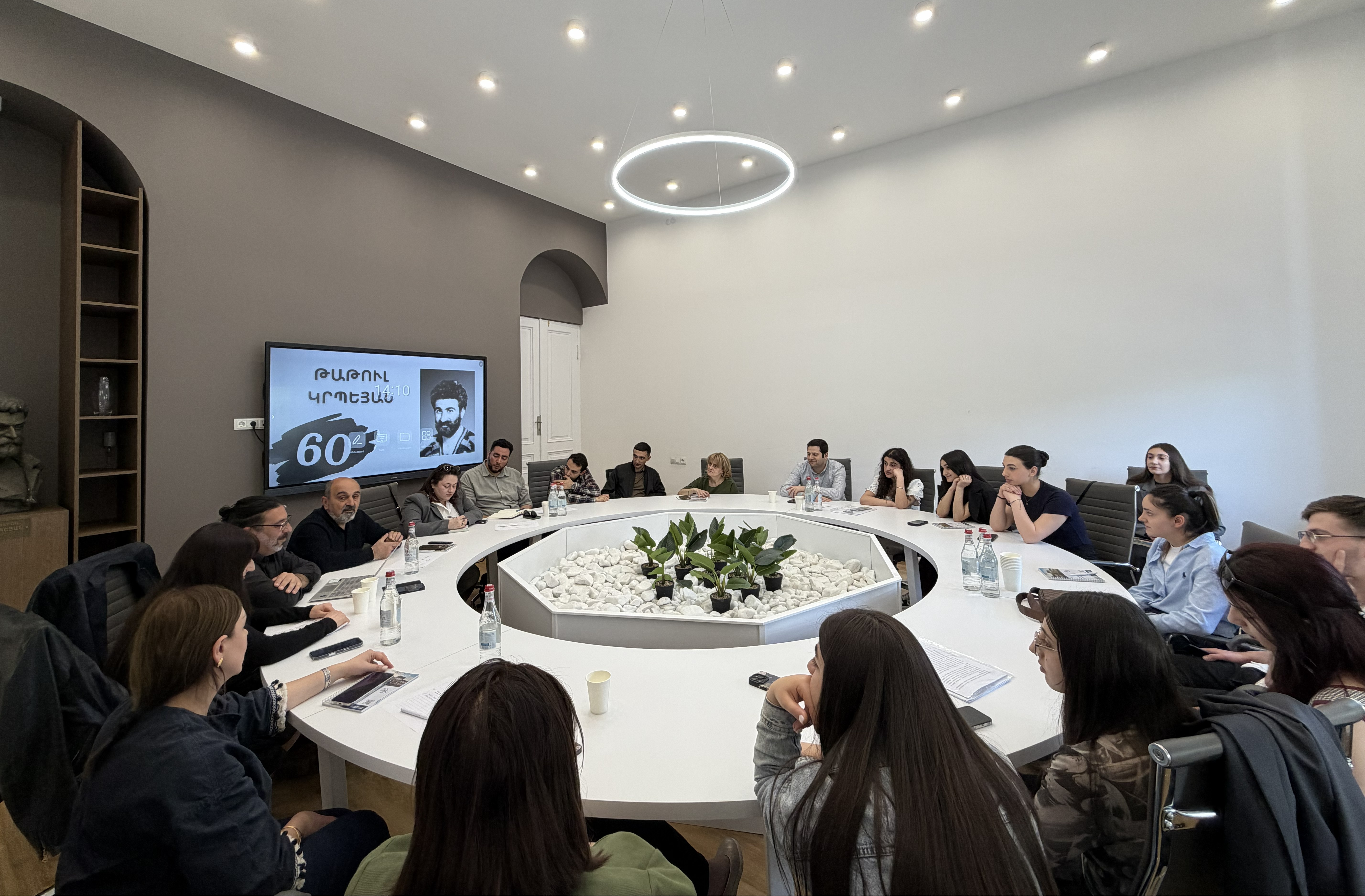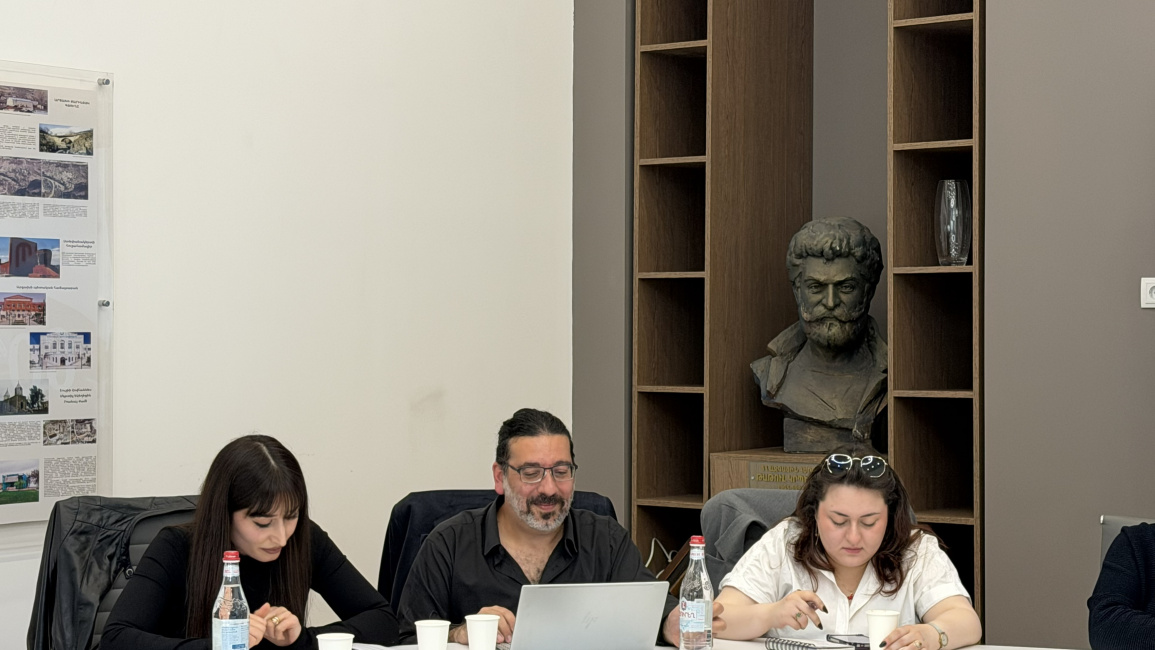
Professor Eduardo Alvarez Pedrosian from the University of the Republic of Uruguay, an anthropologist and philosopher, delivered a series of lectures at the YSU Faculty of History.
The speaker serves as the coordinator of the Laboratory of Transdisciplinary Experimental Ethnography and its program on Urban and Territorial Cultural Studies. His research interests focus on forms of habitation, spatiality, processes of subjectivation, contemporary ethnography, and the epistemology of the humanities.
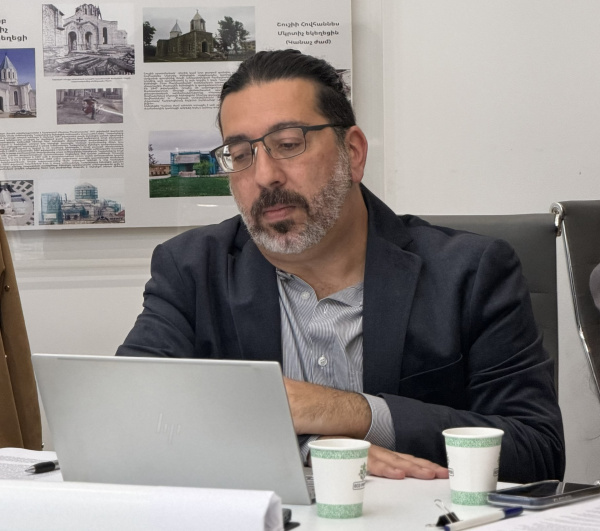
During his visit, Alvarez Pedrosian presented his long-term research on contemporary anthropology, diaspora studies, and trans-cultural processes, with a particular focus on the formation of the Uruguayan-Armenian community, transformations of identity, and the role of the Armenian component in global cultural processes.
His first lecture, "Transcultural Processes of Armenianness in Uruguay: A Paradigmatic Case in the Global System," focused on the historical and cultural characteristics of identity formation within the Armenian community in Uruguay. Drawing on extensive ethnographic research, the speaker addressed the multiple layers of diasporic Armenian identities, forms of cultural memory preservation, and new manifestations of Armenianness in today's globalized world.
The professor also shared his personal and family experience as a descendant of Armenians who migrated to Uruguay in the 1920s. He further recalled his first emotional visit to Armenia in 1993, which coincided with the difficult period of blockade during the Nagorno-Karabakh war. He emphasized that the Uruguayan-Armenian experience represents an important case for understanding how cultural identities can be transformed, dispersed, and rearticulated not only within community frameworks but also in broader social contexts.
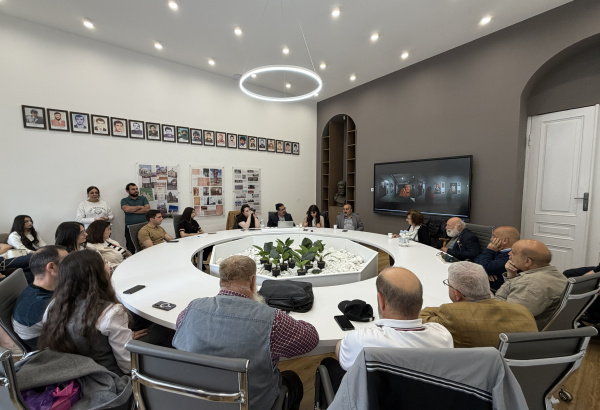
Central to the lecture was the idea that the Armenian cultural presence in Uruguay is no longer limited to traditional community structures. The professor highlighted significant processes in which Armenian culture and identity are engaged with and adopted by non-Armenian groups, local educational institutions, and various cultural initiatives.
The second lecture, titled "Latin American Anthropology in the Transformation of Knowledge: Transdisciplinary and Experimental Approach," was devoted to methodological and theoretical issues in contemporary anthropology. The speaker presented the intersections of science, art, philosophy, and social knowledge and addressed experimental approaches in modern ethnography.
The discussions covered issues of cultural memory, diasporic identities, globalization, communication, and cultural transformations in contemporary societies.
The meetings served as an important platform for developing academic dialogue between Armenian and Latin American scholarly experiences. The lectures also marked another significant step in the Faculty of History's international cooperation and the advancement of contemporary anthropological and diaspora studies at YSU.