October 08, 2026 | 15:26
Science
Conferences
International cooperation
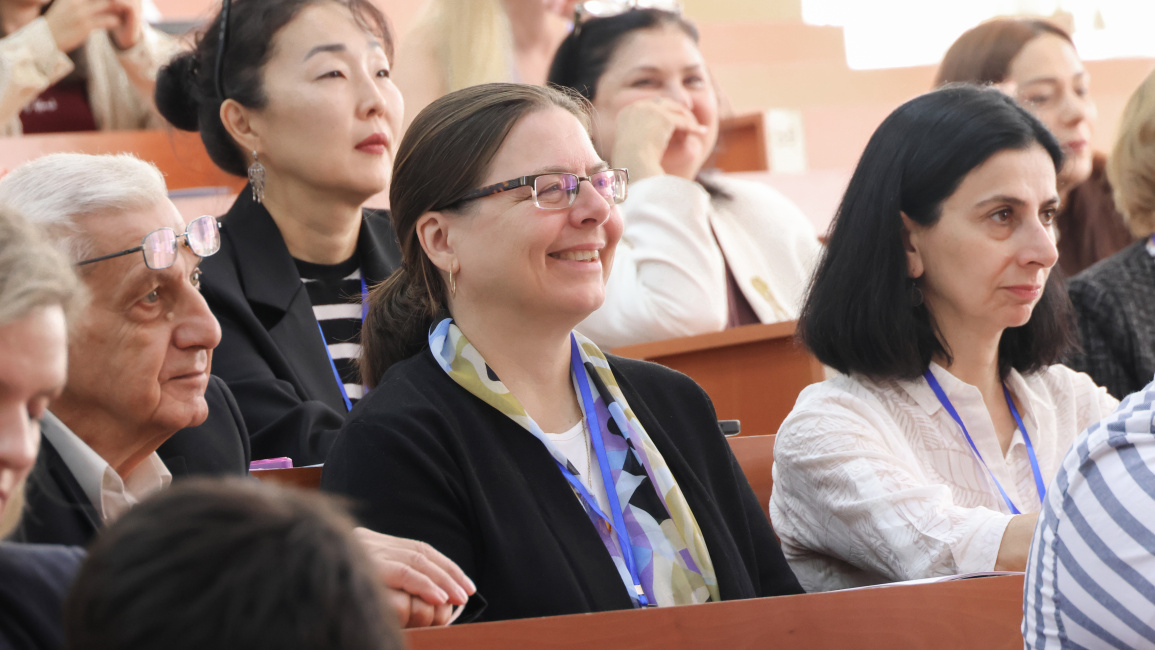
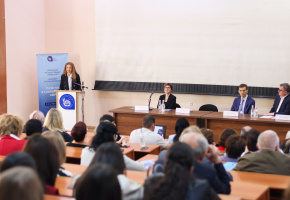
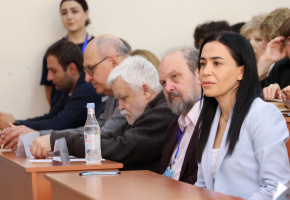
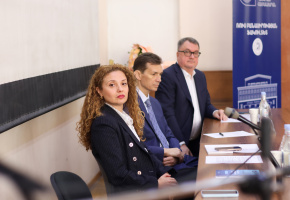
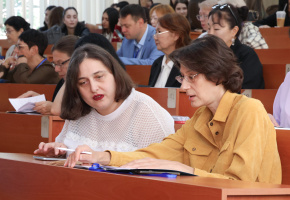
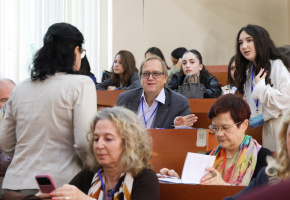
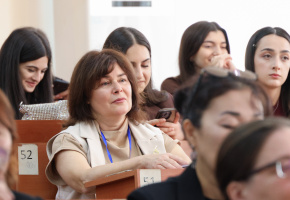
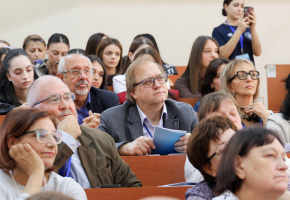
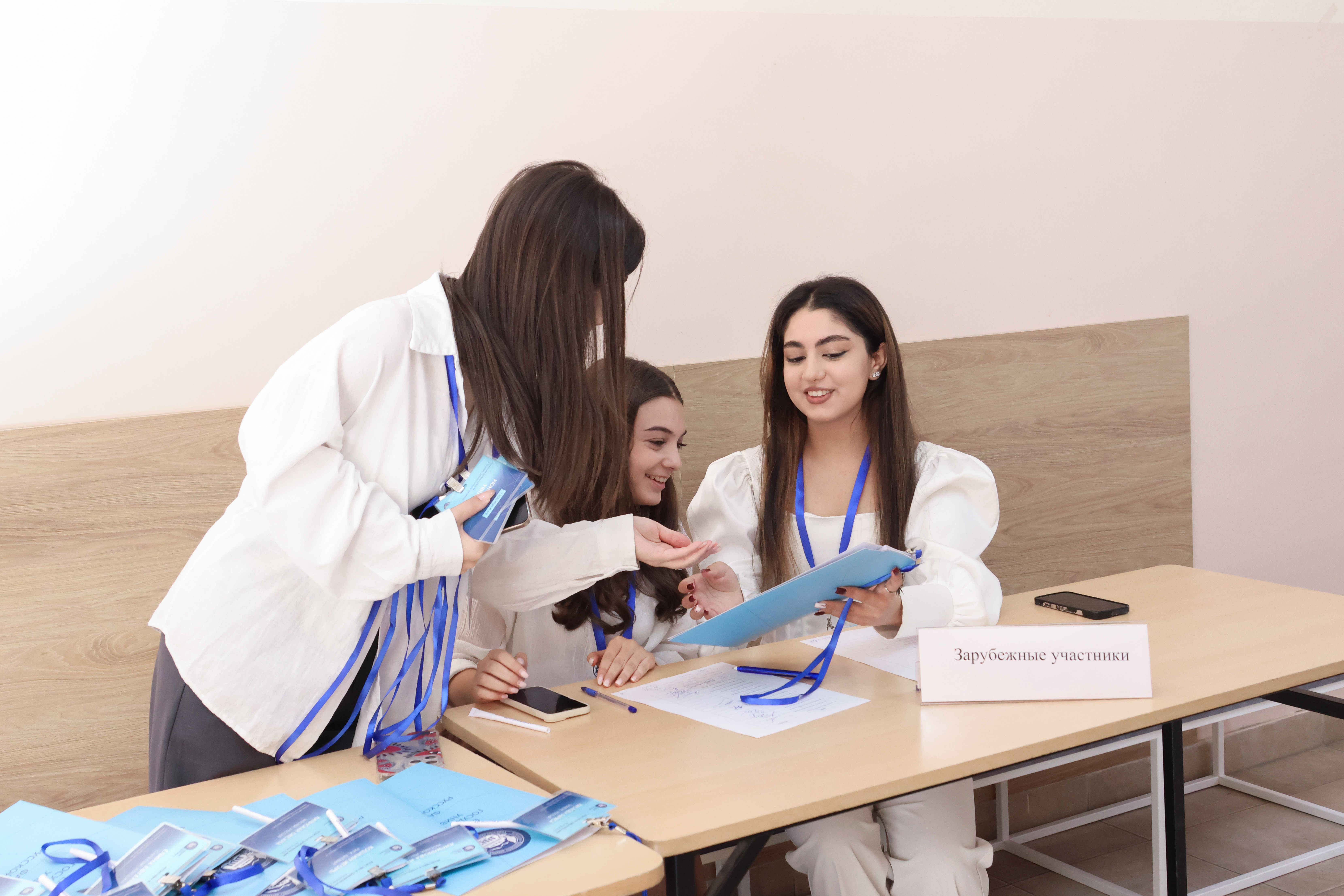
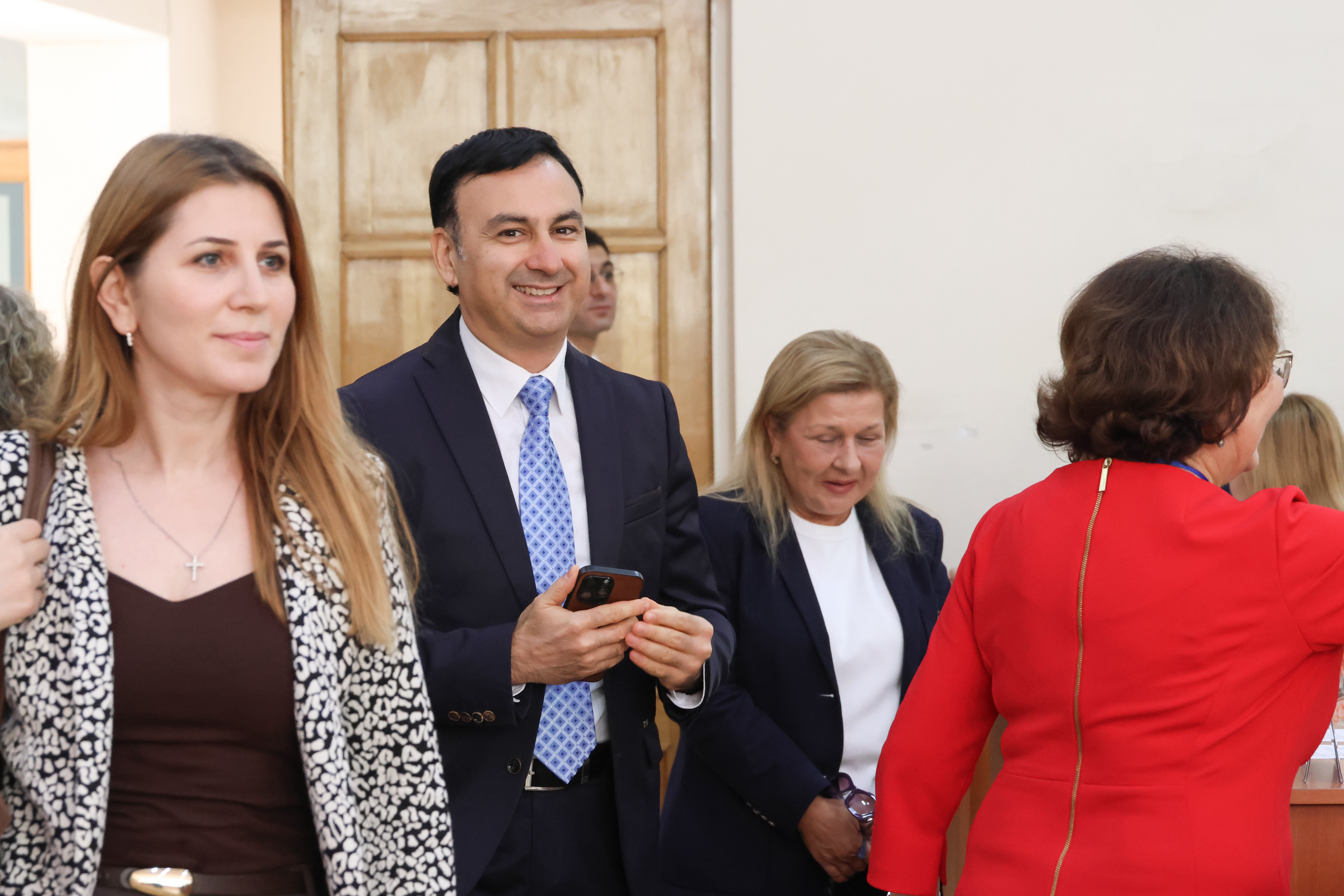
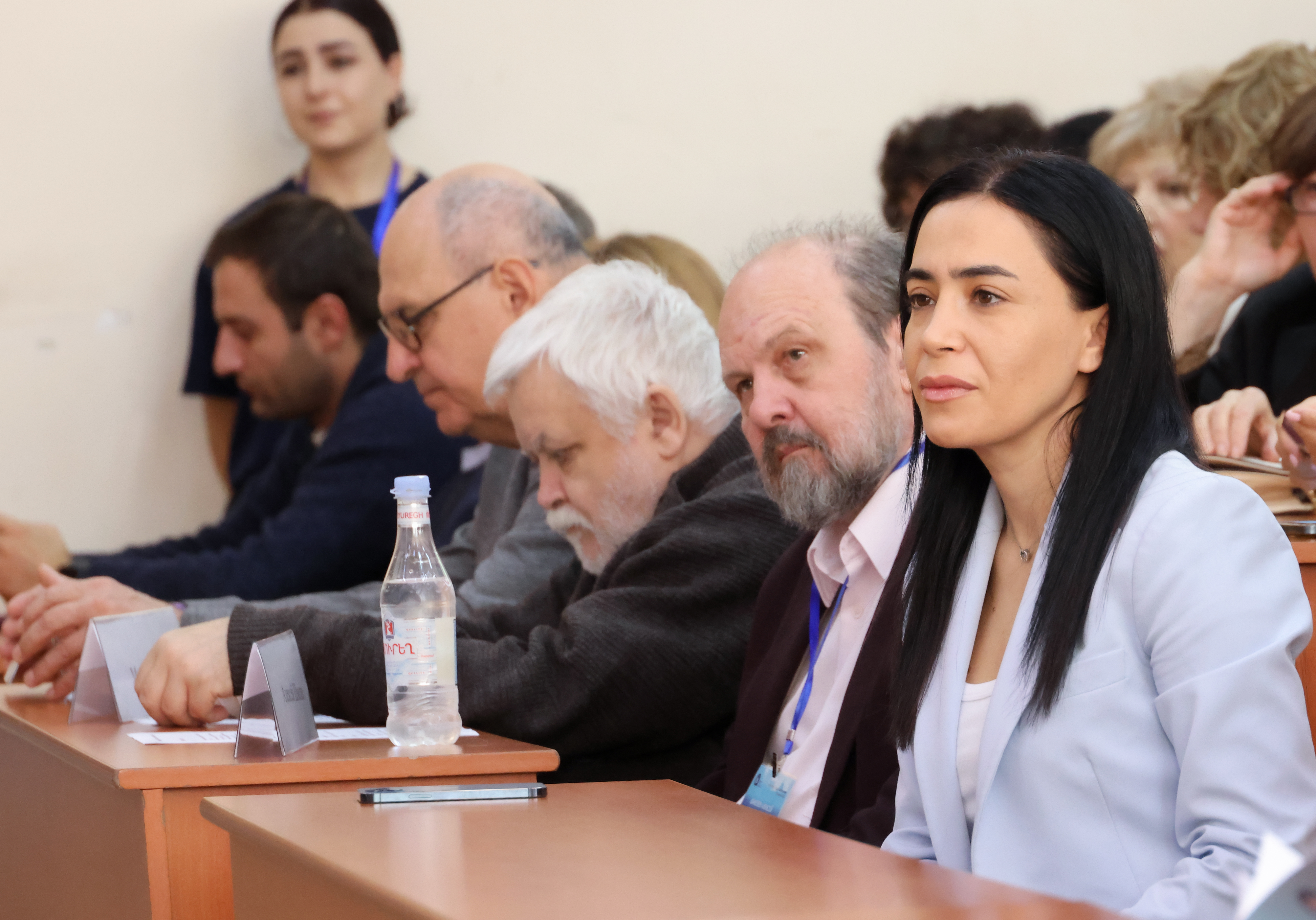
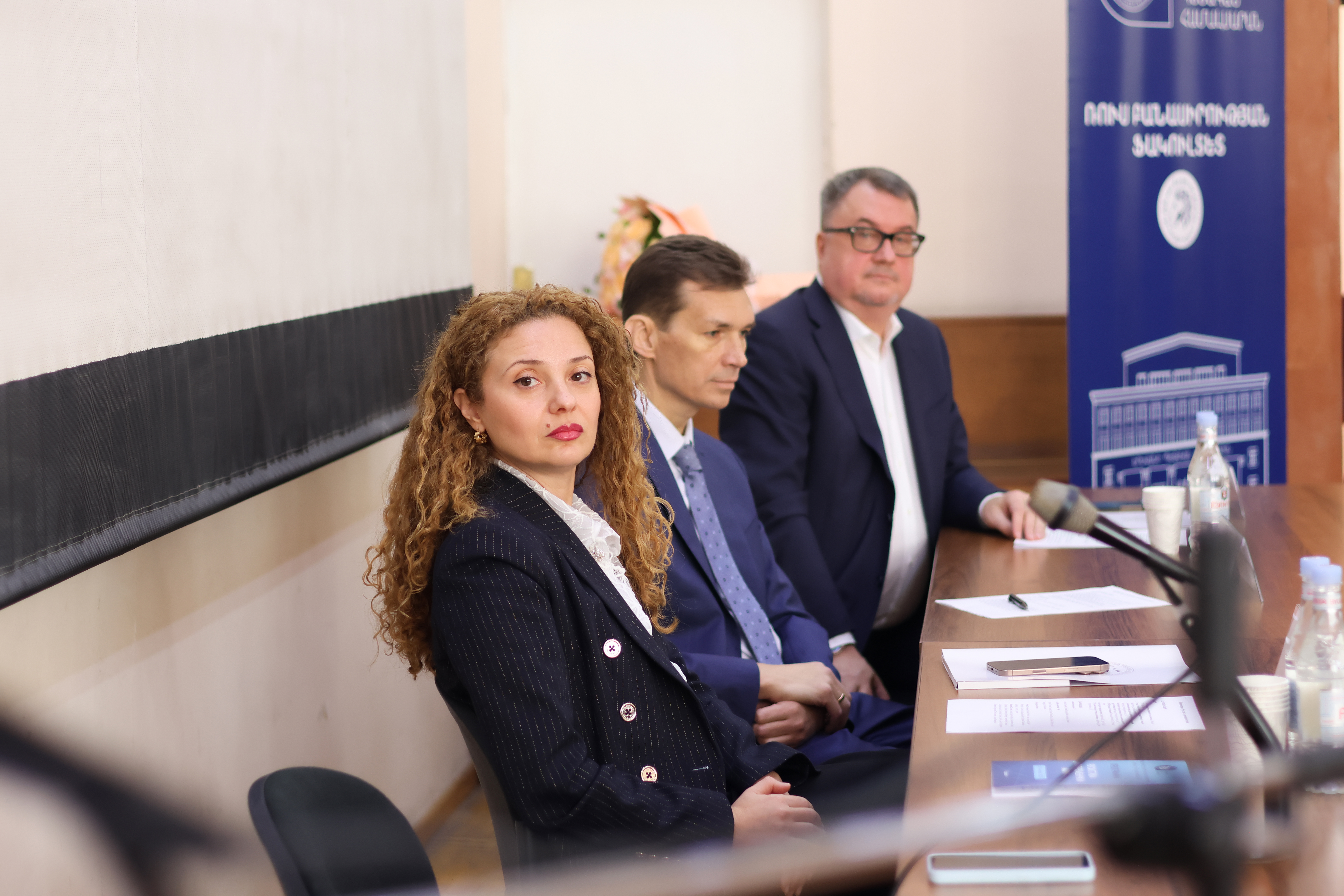
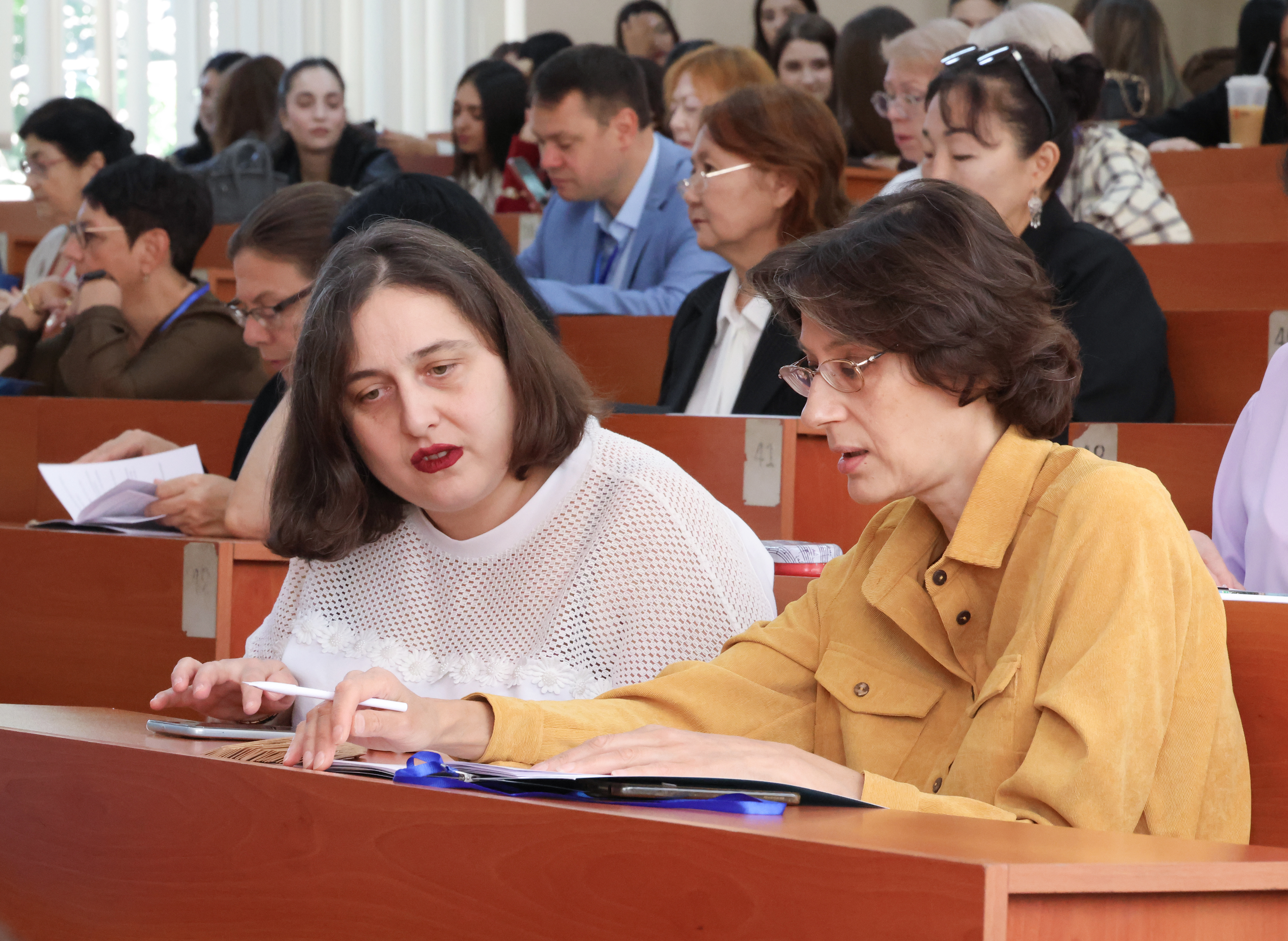
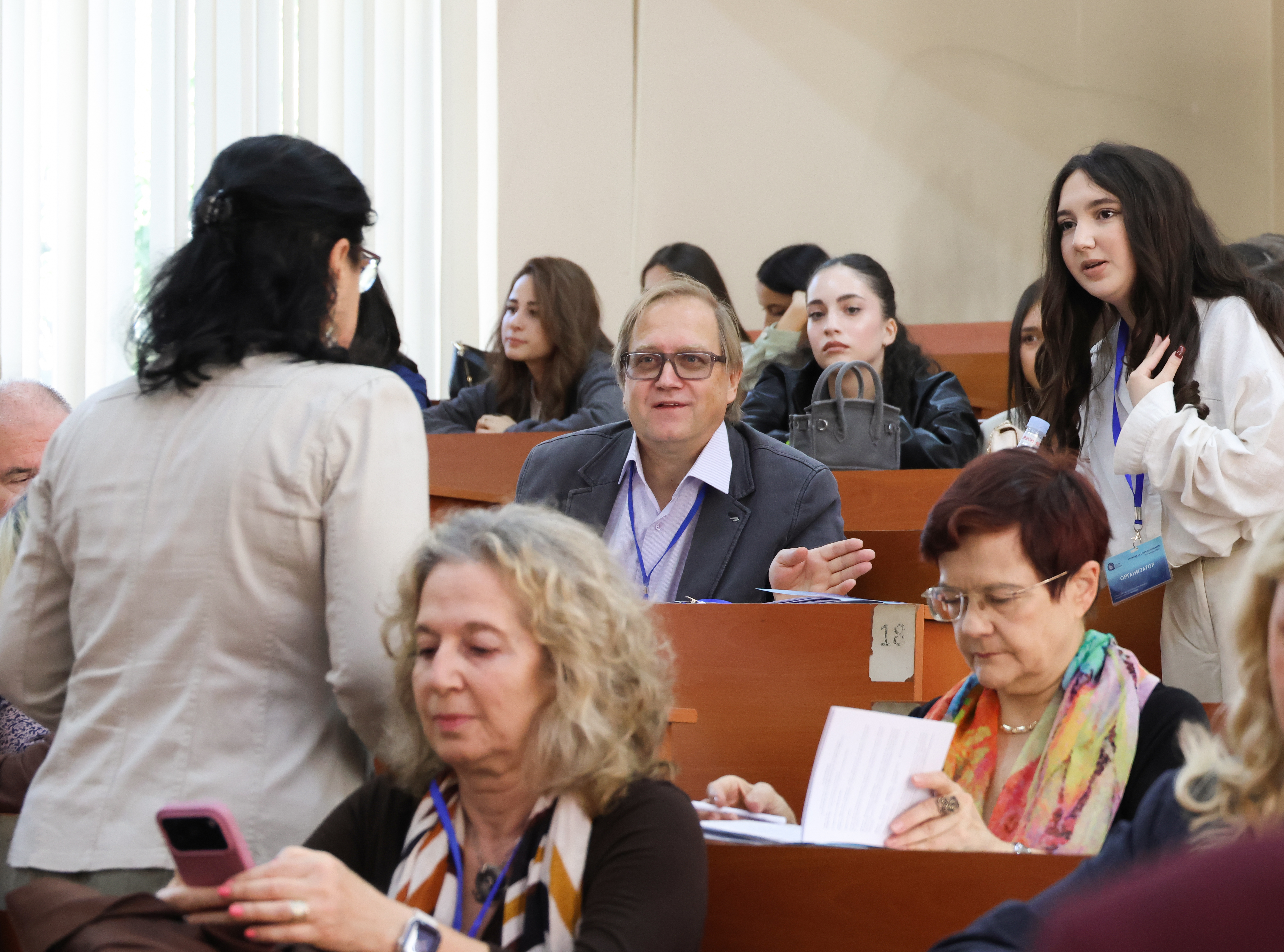
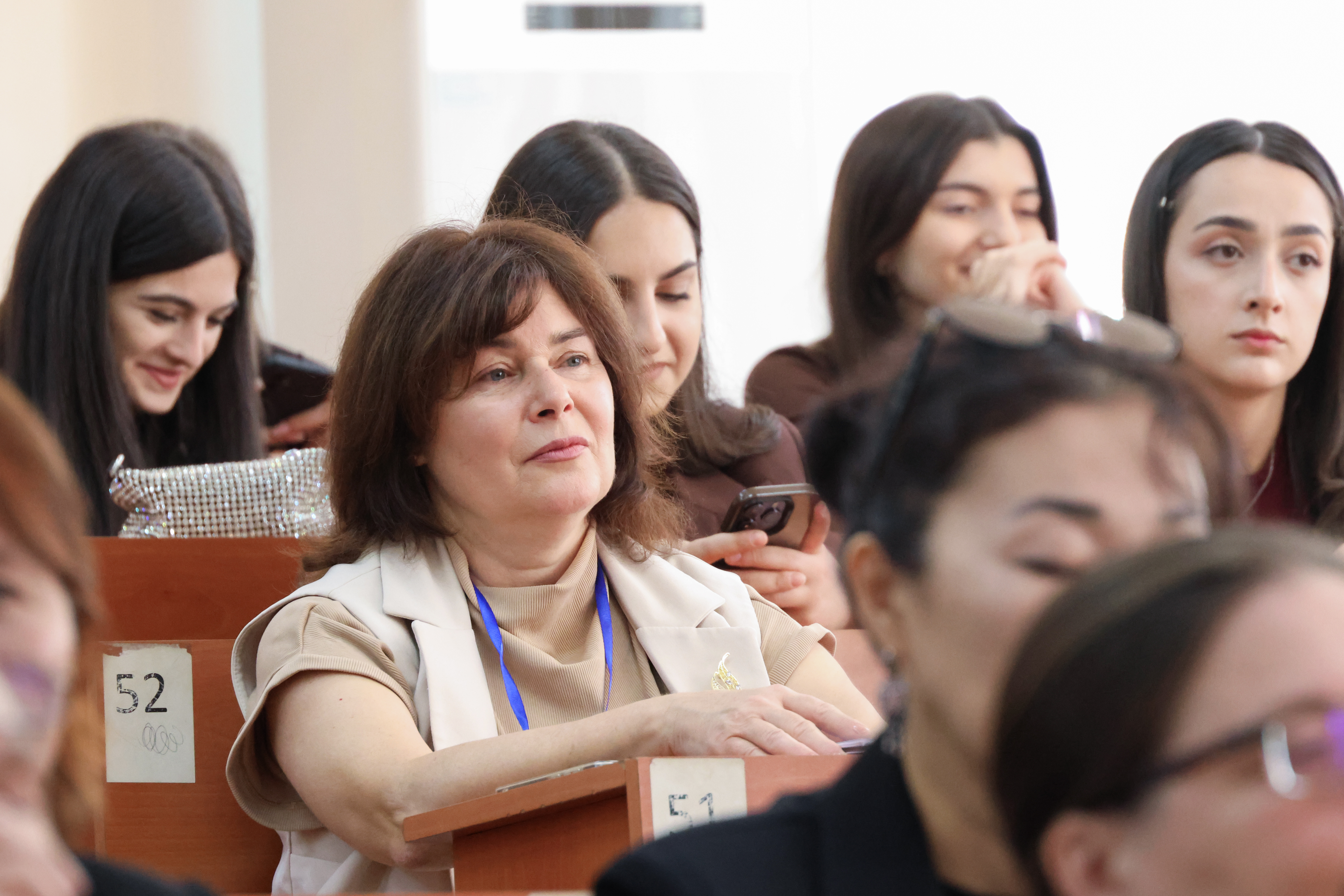
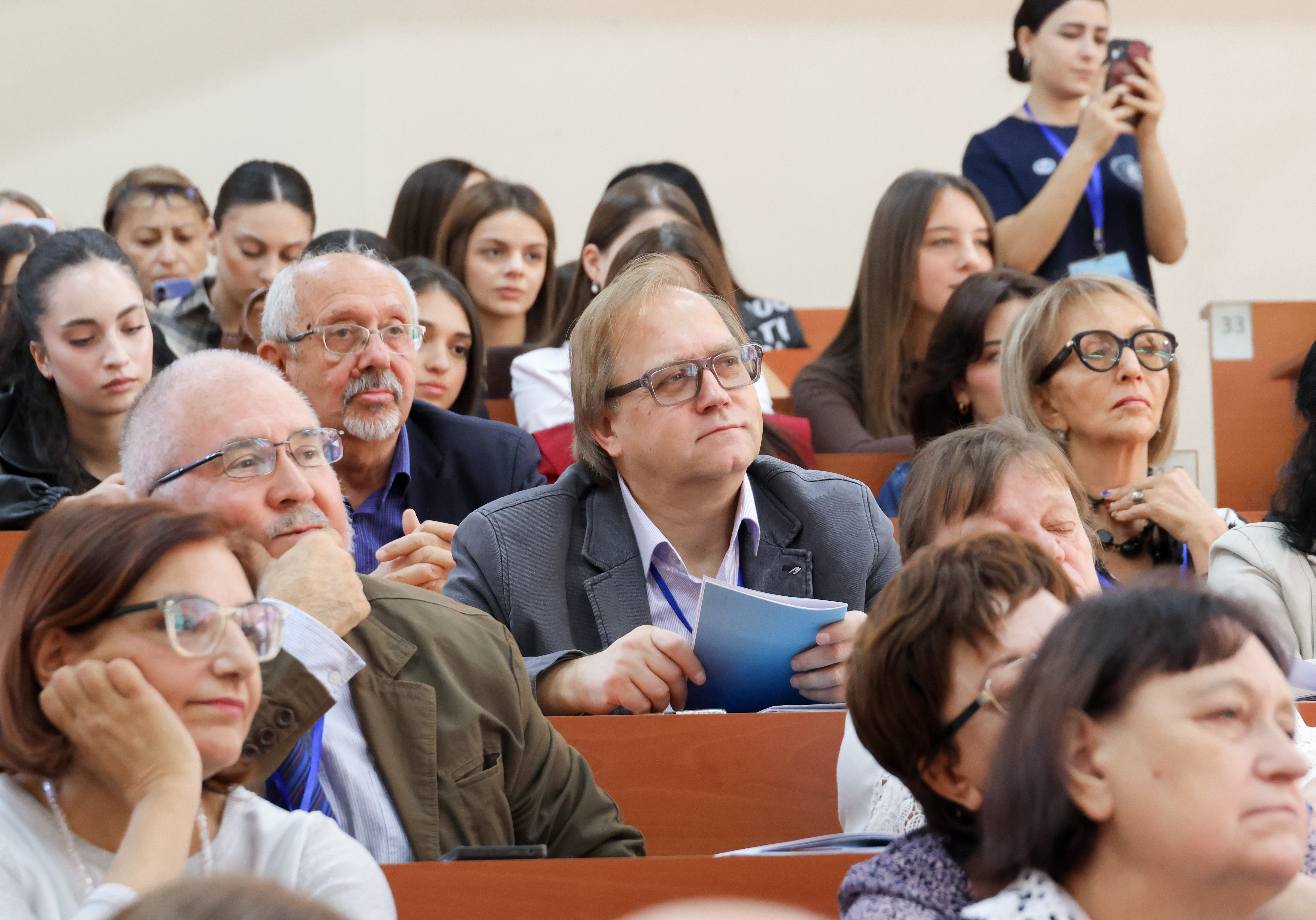
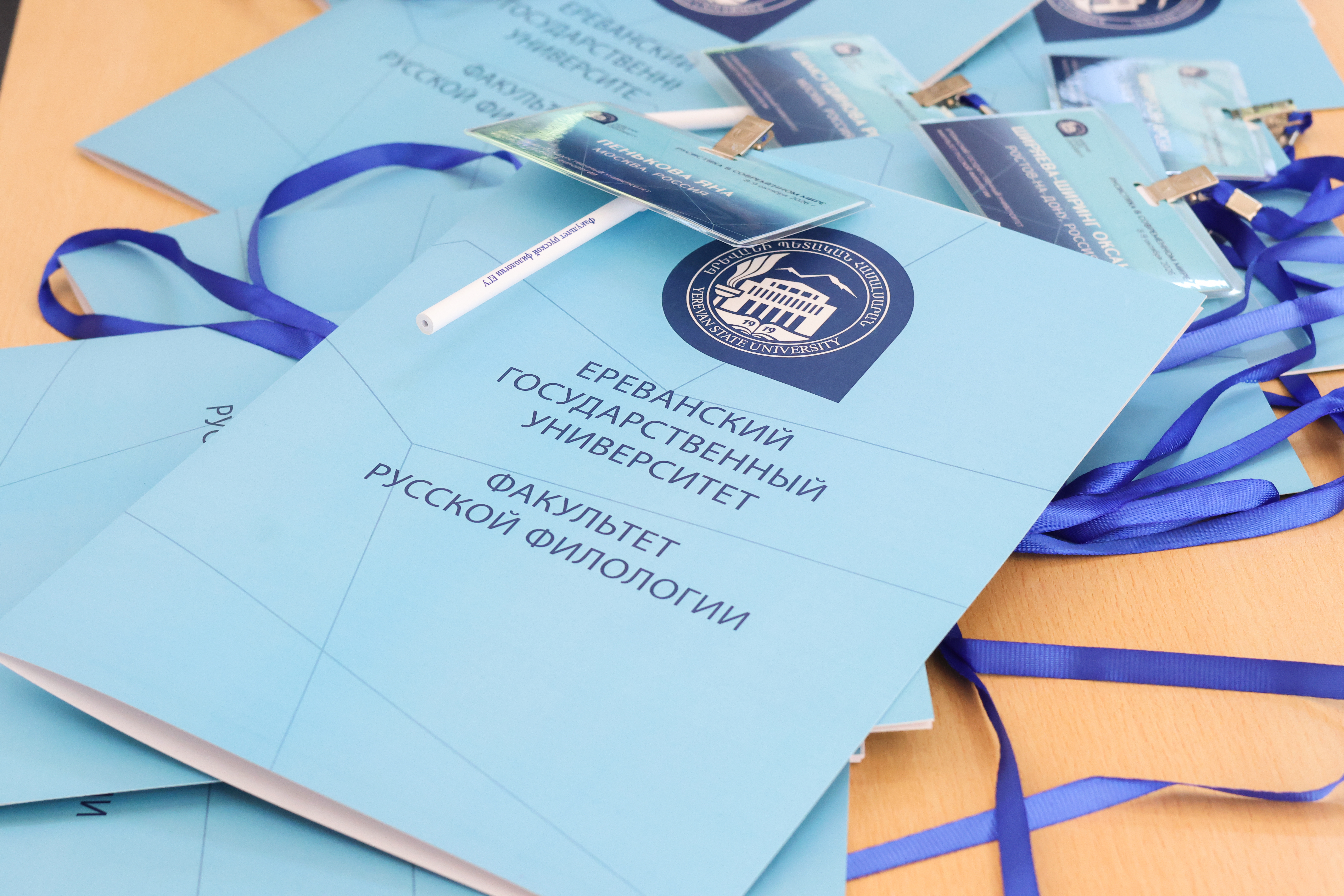
The international conference "Russian Studies in the Modern World" has brought together scholars, lecturers, young researchers and students from Armenia, Russia, Belarus, Czechia, Poland, Italy, Germany, Austria, Slovakia, Uzbekistan, China, Latvia and other countries.
The conference, being held on October 8-9, covers a wide range of topics in contemporary Russian studies, including the history of Russian literature, changes in contemporary Russian, word formation, the impact of artificial intelligence on language and education, translation studies, intercultural communication, and traditions and innovations in teaching Russian as a foreign language.
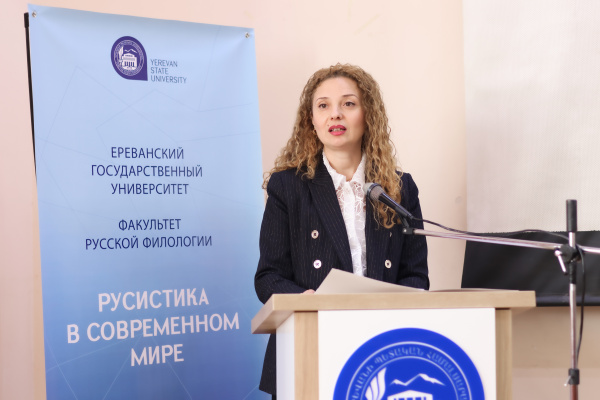
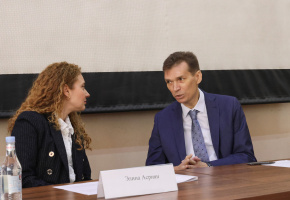
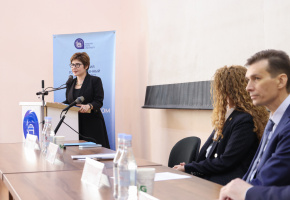
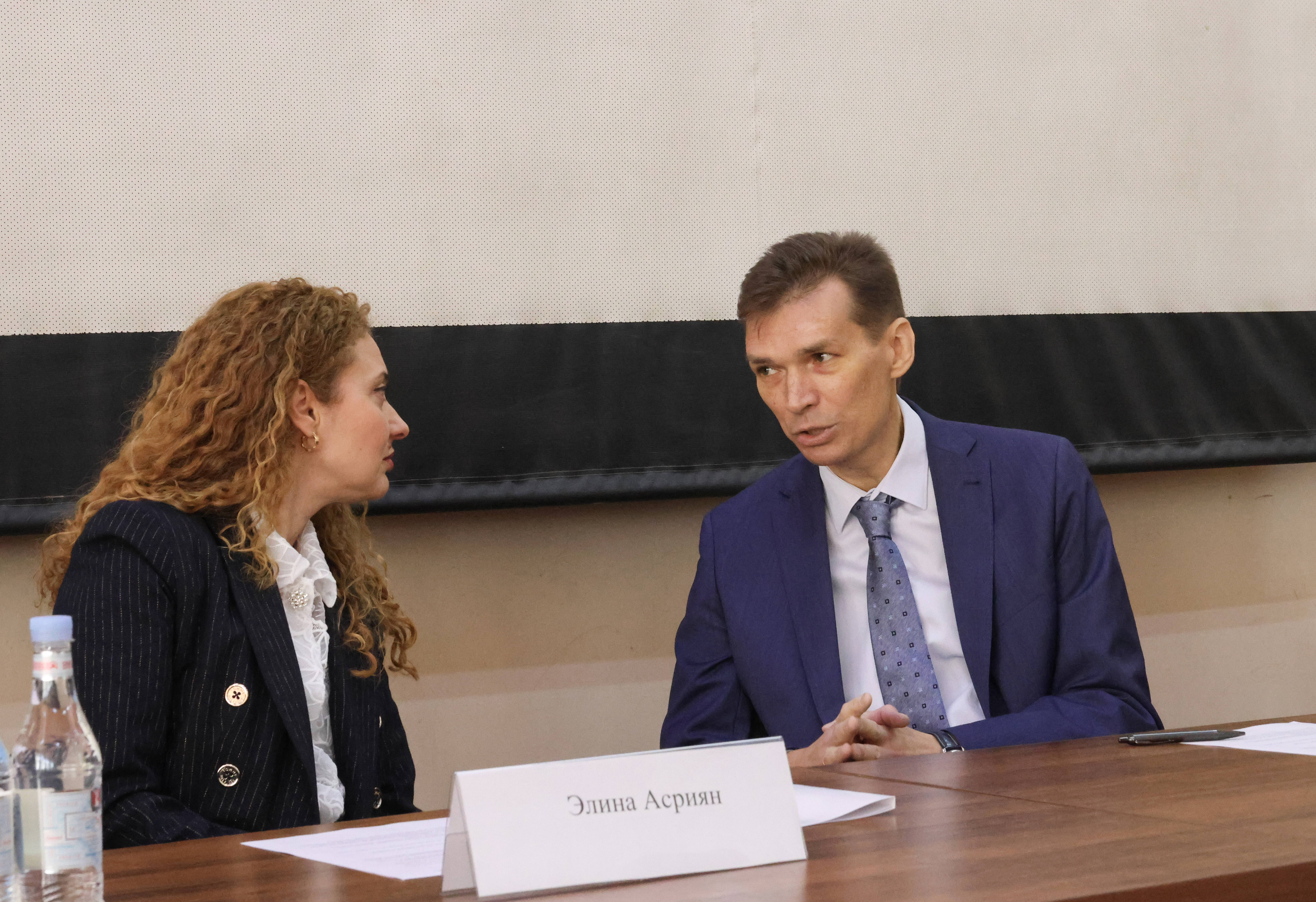
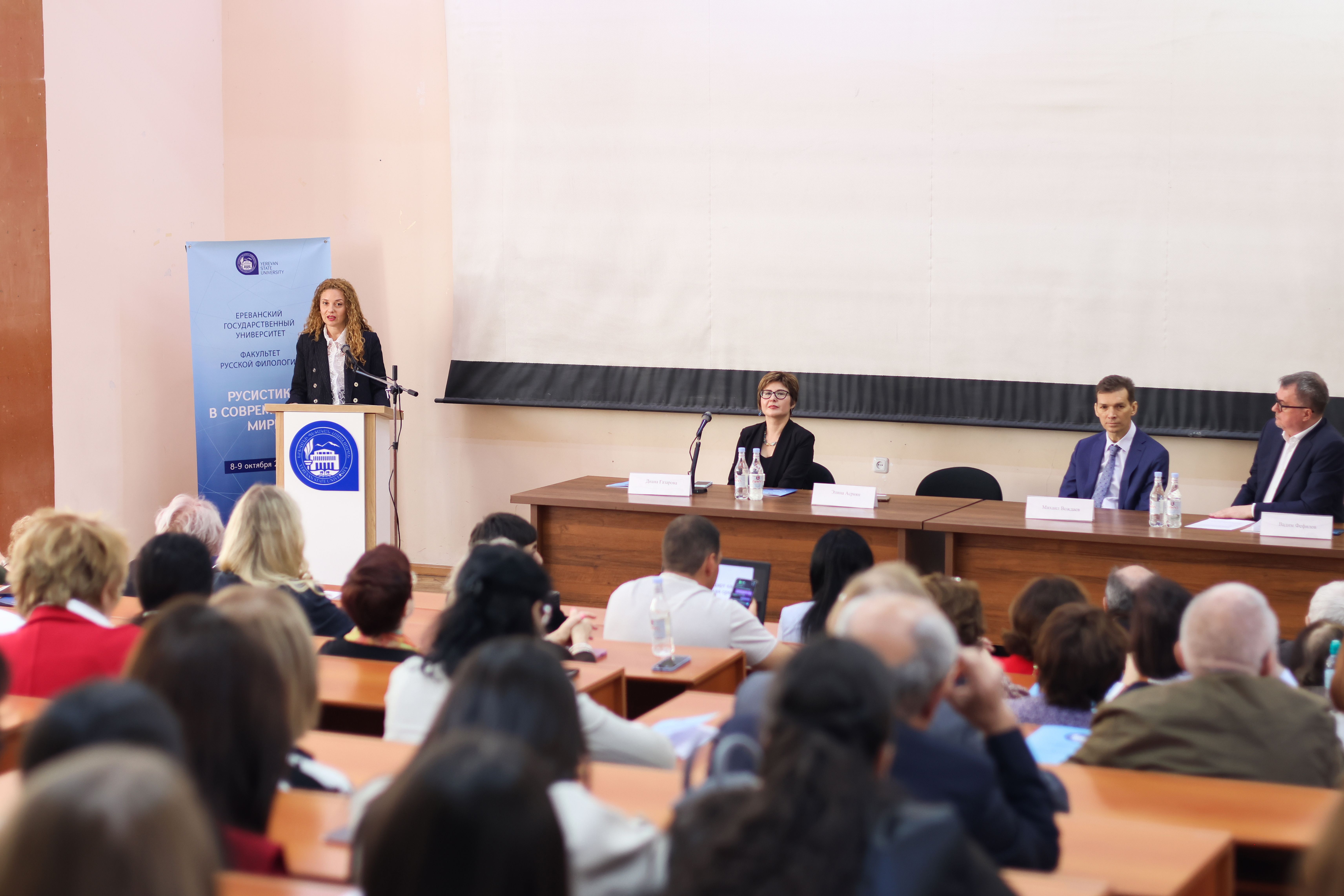
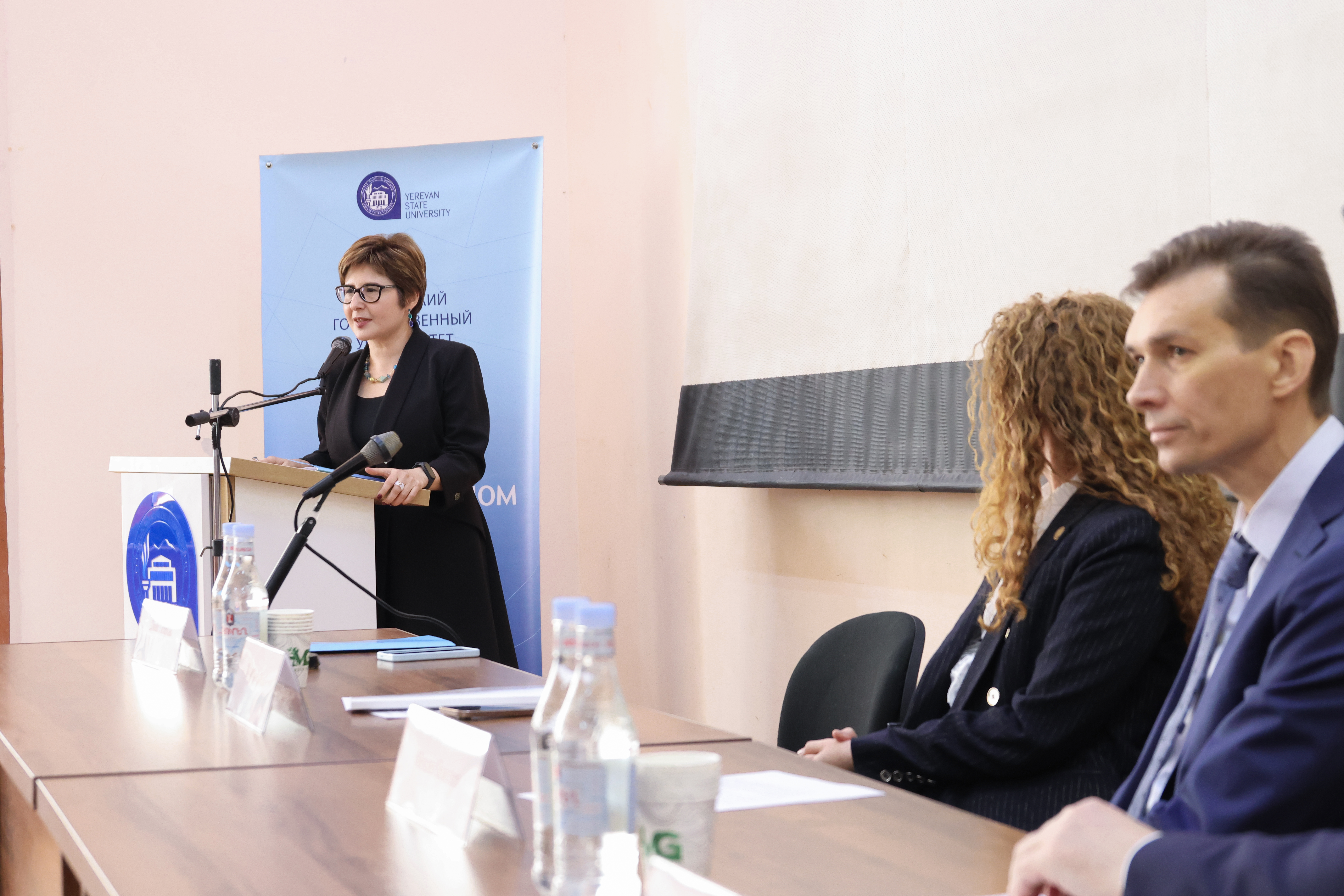
Elina Asriyan, YSU Vice-Rector for Academic Affairs, highlighted the relevance of the conference topic, noting that 50 years represents, on the one hand, a history of people, academic schools, research and generations and, on the other, the history of a language evolving alongside society. As language evolves in response to new technologies, forms of communication and sociocultural processes, it helps people understand one another in a world that is becoming increasingly interconnected but also more complex. According to Asriyan, the importance of philology is only growing in the digital age, when artificial intelligence writes and translates texts and, in some cases, even imitates human speech and creative work.
"We hope this two-day conference will provide not only an opportunity to present research findings but also a setting for genuine academic dialogue, bringing new questions, new ideas and new people," Asriyan said.
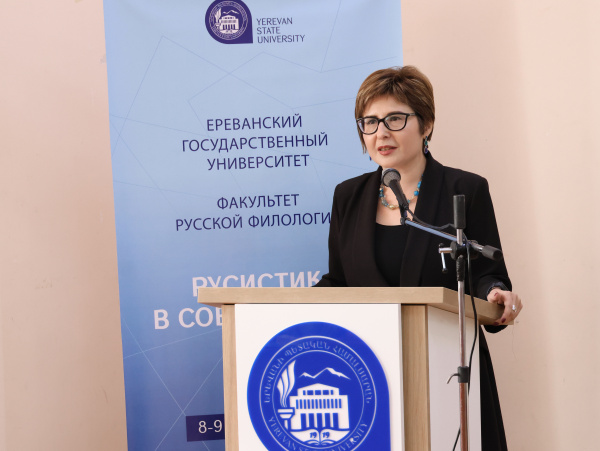
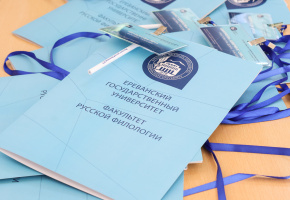
Diana Gazarova, Dean of the YSU Faculty of Russian Philology, presented the history of the faculty from its founding to the present day, highlighting its academic, scientific and cultural activities. She particularly emphasized the faculty's role in Armenia's academic, scientific and cultural life.
"More than 180 specialists from 15 countries are participating in the conference, including around 40 doctoral degree holders and 90 associate professors. We are particularly encouraged by the participation of the younger generation, including doctoral students and researchers. We also have participants from other YSU faculties and other universities in Armenia. This is clear evidence that the Faculty of Russian Philology and Yerevan State University continue to serve as a crossroads of academic traditions, new ideas and cultures," Gazarova emphasized.
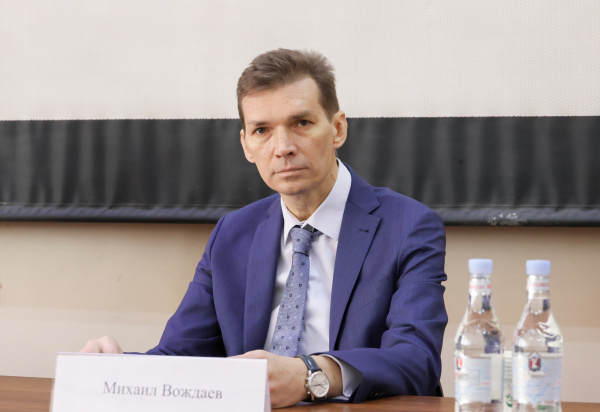
Mikhail Vozhdaev, Counselor at the Russian Embassy in Armenia and Representative of the Russian Ministry of Science and Higher Education, also delivered welcoming remarks at the conference.
"A 50-year history speaks volumes. Hundreds, even thousands, of graduates of the Faculty of Russian Philology work around the world as Russian-language translators and teachers. This community is united around YSU, particularly its Faculty of Russian Philology," Vozhdaev said.
Vadim Fefilov, Director of the Russian House in Yerevan, the representative office of Rossotrudnichestvo in Armenia, outlined several aspects of Armenian-Russian educational and research cooperation, including olympiads, summer schools, professional development courses and other joint projects.
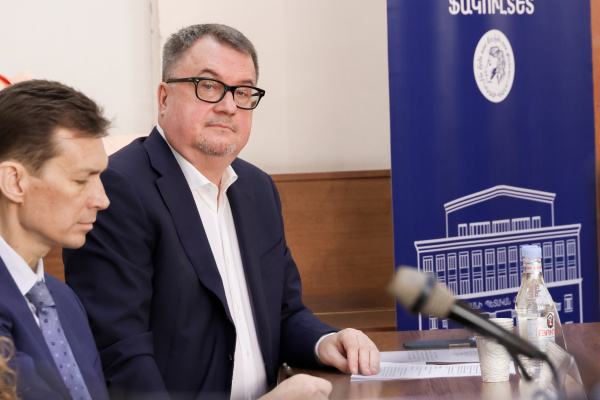
The plenary session featured keynote presentations by Doctor of Philology and Professor Alexei Shmelev, Corresponding Member of the Russian Academy of Sciences, Chief Research Fellow at the V. V. Vinogradov Russian Language Institute, Head of its Department of Russian Speech Culture, Chairman of the Russian Academy of Sciences' Orthographic Commission.
He was followed by PhD and Professor Maxim Krongauz, Head of the Sociolinguistics Laboratory at the Russian State University for the Humanities and the Scientific and Educational Laboratory of Linguistic Conflictology and Modern Communication Practices at the National Research University Higher School of Economics.
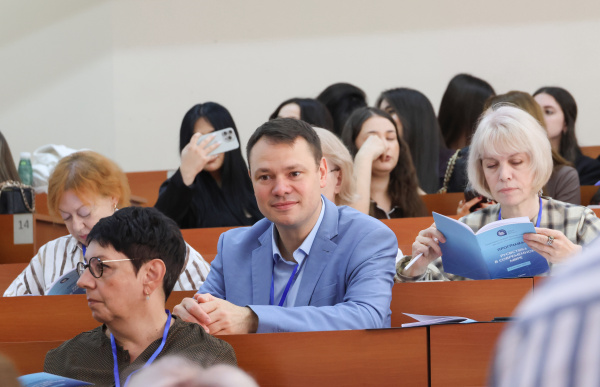
Professor Alexei Shmelev delivered a presentation titled "Ключевые слова художественного текста и проблемы перевода" ("Keywords in a Literary Text and Problems of Translation"), while Professor Maxim Krongauz presented "Субстандарт как питательная среда" ("Nonstandard Language as a Fertile Ground"). Their presentations focused on issues related to contemporary Russian, literary texts and speech culture.
Two key themes emerged at the opening of the conference: the continuous evolution of language and the ways these changes manifest themselves in contemporary communication and cultural environments. The topics presented and their interconnections demonstrate that language, literature, education, media, technology and culture cannot be studied in isolation. A central challenge for contemporary scholarship is to understand these interconnections while preserving the traditions of academic research into language and literature and responding to changes driven by the digital age, the media landscape and artificial intelligence.
In this context, academic dialogue among Russian studies scholars from different countries will not only take stock of developments in the field but also outline possible directions for its further development.
The conference's thematic diversity also highlights the breadth of the international academic landscape of Russian language and literature studies. The participation of researchers from Armenia and other countries creates opportunities for exchanging experience and engaging in academic dialogue, presenting Russian studies not only as a field devoted to the study of language or literature but also as a meeting point for different cultures, societies and academic schools.