February 11, 2026 | 14:19
Science
Education
Society
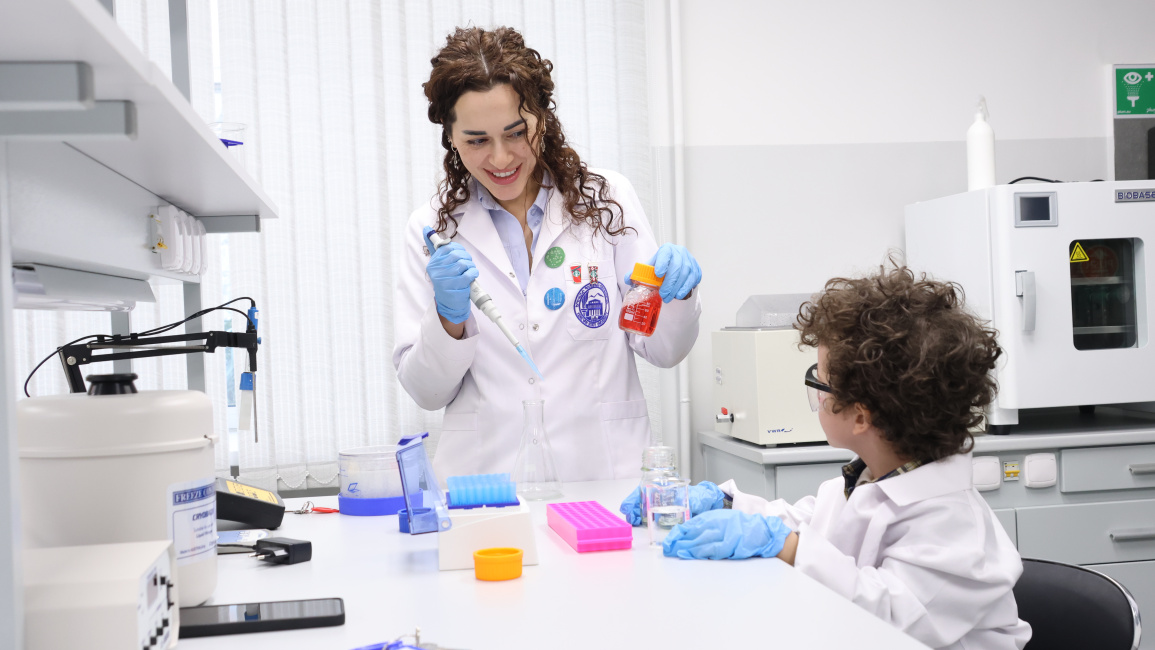
On December 22, 2015, the United Nations General Assembly adopted a resolution proclaiming February 11 as the International Day of Women and Girls in Science. It has since become an internationally observed day dedicated to promoting the full and equal participation of women in STEM fields (science, technology, engineering, and mathematics).
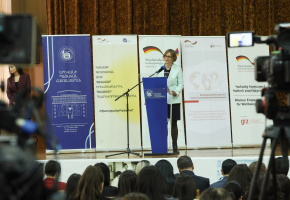
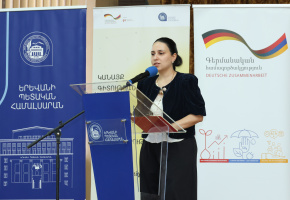
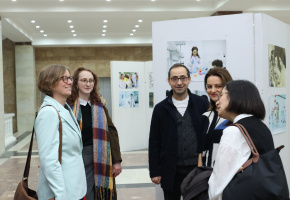
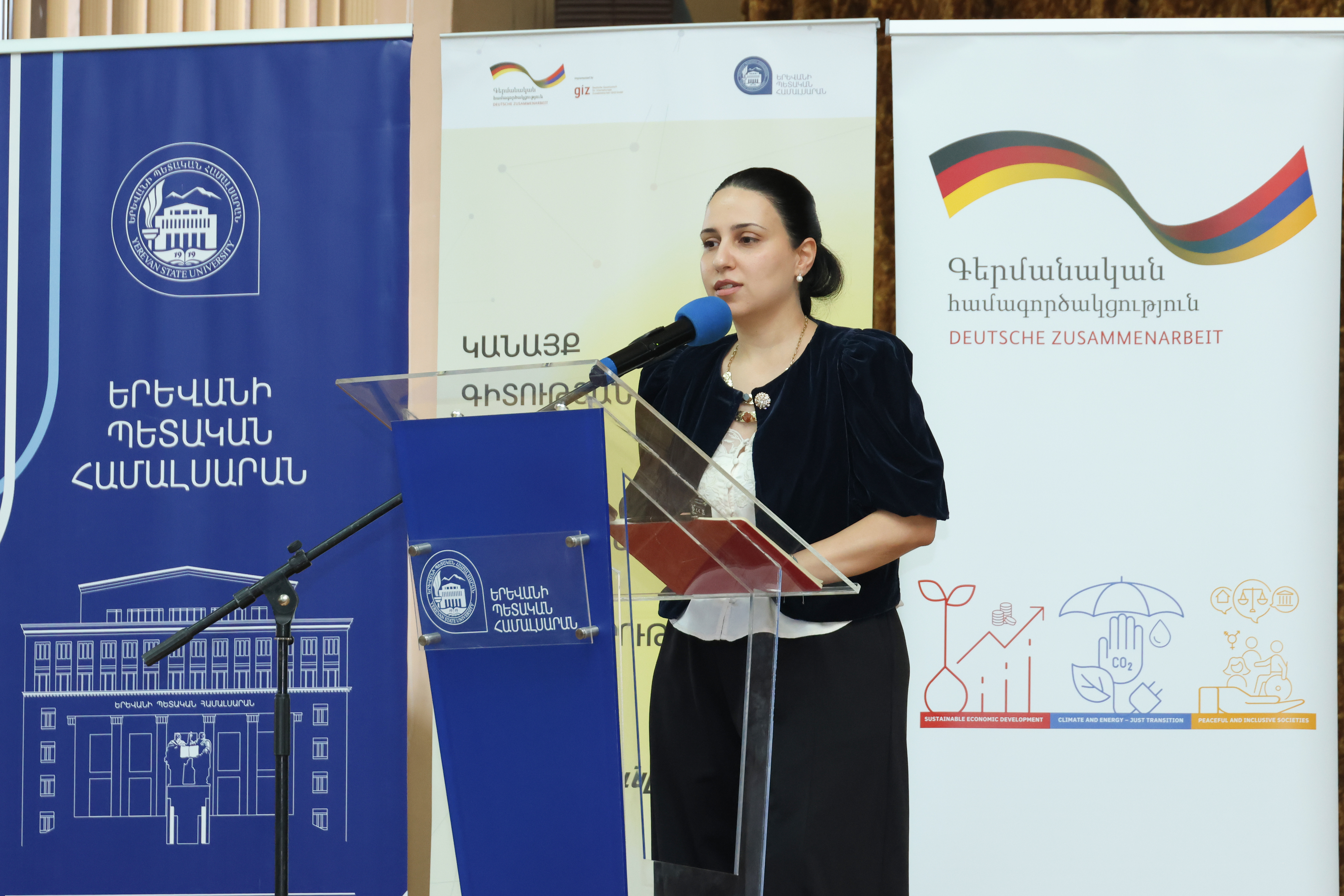
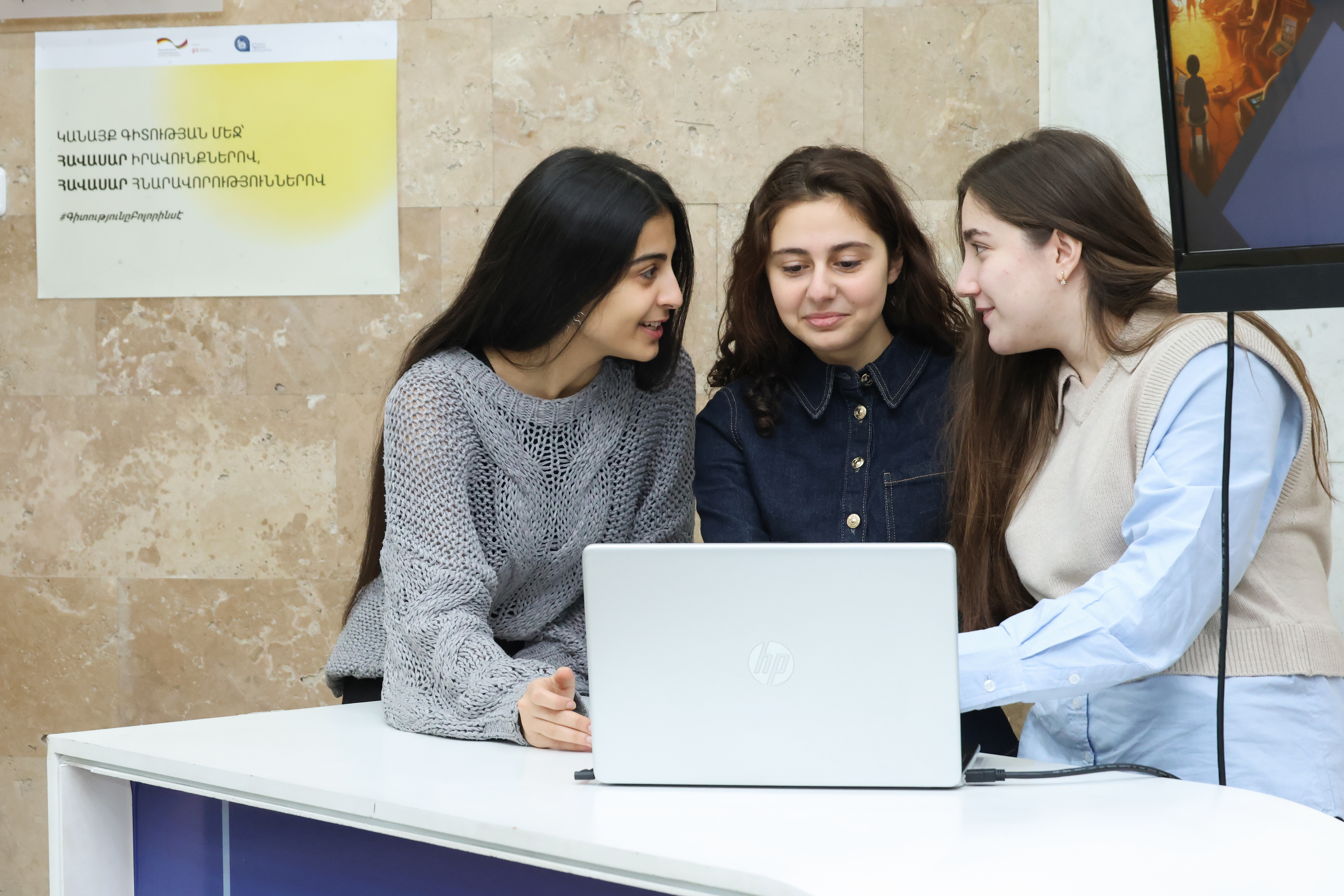
With the event "Women in Science: Equal Rights, Equal Opportunities", Yerevan State University also launched the Promoting the Participation of Women and Girls in Science program. The initiative is financed by the German government and implemented within the framework of the Feminism in Action for Structural Transformation (FAST) and Women's Empowerment for Wellbeing (WoW) programs, implemented by the German Agency for International Cooperation (GIZ).
The Rector of Yerevan State University, Hovhannes Hovhannisyan, delivered welcoming remarks, noting that February 11 is not merely a date of symbolic significance, but an important reminder that science becomes truly complete when it is built on the potential, voices, and ideas of all, without discrimination.
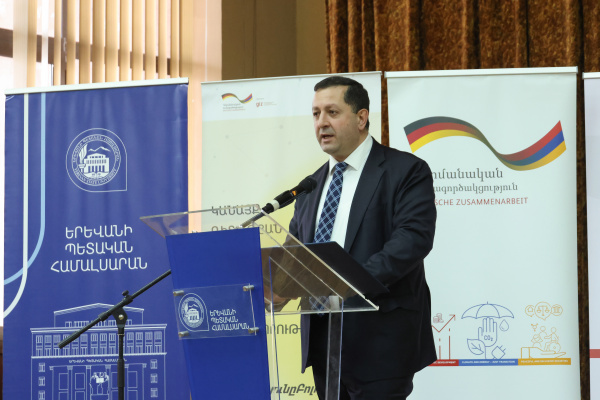
"At Yerevan State University, we are consistently fostering an environment in which talent, curiosity, and diligence are valued regardless of gender. Our goal is for every female student and every young researcher to feel that science is 'their place', and that the university serves as a reliable platform for growth, experimentation, innovation, and the building of a scientific career," the rector stated, adding that overcoming the barriers requires systemic solutions ranging from educational programs to institutional mechanisms and changes in public perception.
The Minister of Education, Science, Culture and Sports of the Republic of Armenia, Zhanna Andreasyan, commended the strong interest in the event and expressed gratitude to Yerevan State University for the initiative. She emphasized that the participation of women and girls in science must be regarded as a consistent and long-term policy priority.
Referring to the situation in Armenia, Zhanna Andreasyan noted that in recent years the Armenian government has made substantial investments in science. Compared to 2018, funding for science has increased by approximately 180 percent. According to the minister, women currently account for 53.6 percent of the 3,761 researchers receiving baseline funding — a figure approximately 1.7 times higher than the global average.
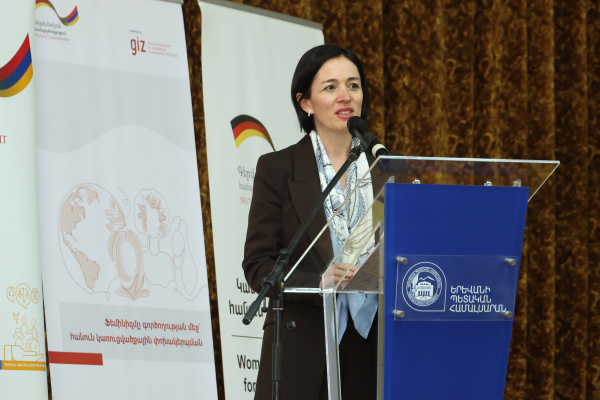
"Science is becoming increasingly attractive to young women. It is particularly encouraging that among researchers under the age of 50, women constitute more than 58 percent. Nevertheless, women's representation in leadership positions within scientific organizations still stands at around 30 percent. This indicates that further efforts are needed to ensure equitable career advancement," stated Zhanna Andreasyan.
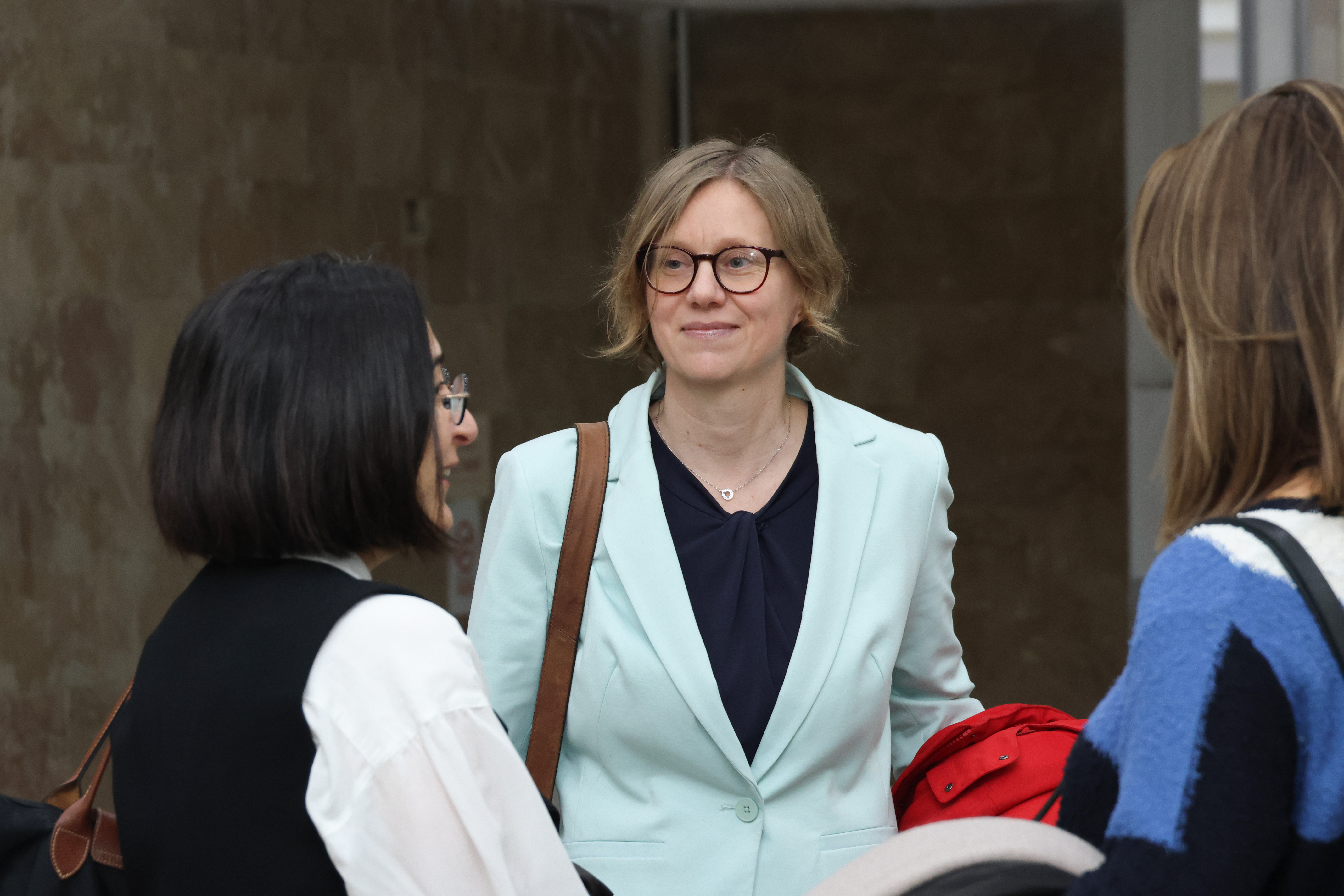
Katrin Buder-Pelz, Head of Development Cooperation at the Embassy of Germany in Armenia, also addressed the event, noting that science and innovation drive social and economic progress; however, women and girls worldwide remain underrepresented both in several educational programs and in the labor market.
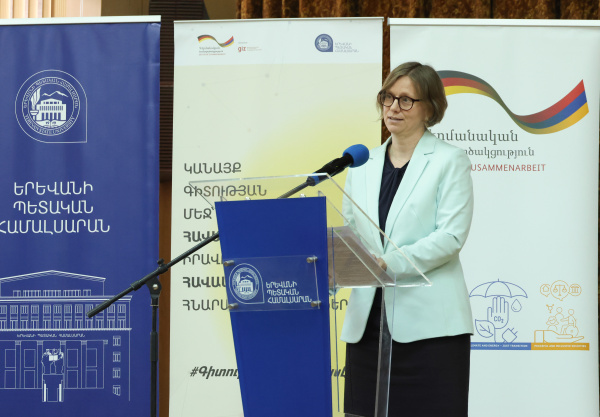
"This is due to persistent structural barriers within society and the continued reinforcement of traditional gender roles. In cooperation with the Armenian government and partners, particularly Yerevan State University, Germany supports initiatives aimed at making equal participation in science, innovation, and technology the norm in Armenia," she said.
The keynote speaker, Ani Kojoyan, lecturer at the YSU Faculty of European Languages and Communication, who has long worked on issues of gender equality, provided an in-depth analysis of the underlying causes, challenges, and obstacles hindering the equal participation of women and girls in science. During her speech, she particularly focused on gender stereotypes formed within the education system, their impact on career orientation, and the structural and institutional barriers impeding women's advancement in scientific fields.
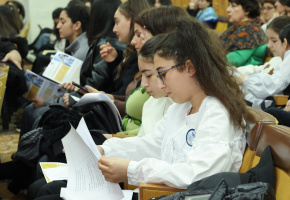
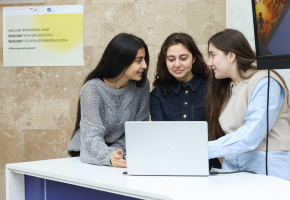
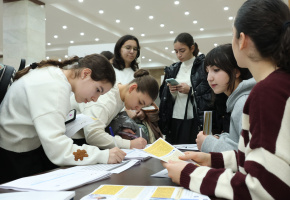
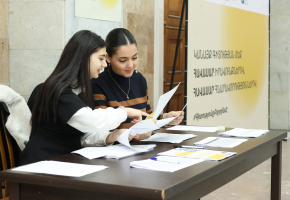
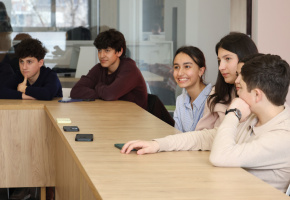
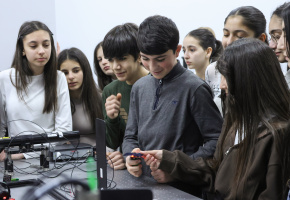
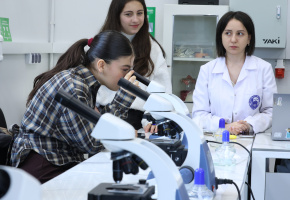
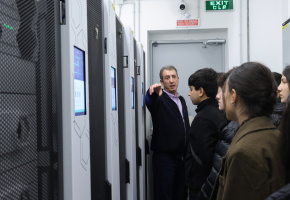
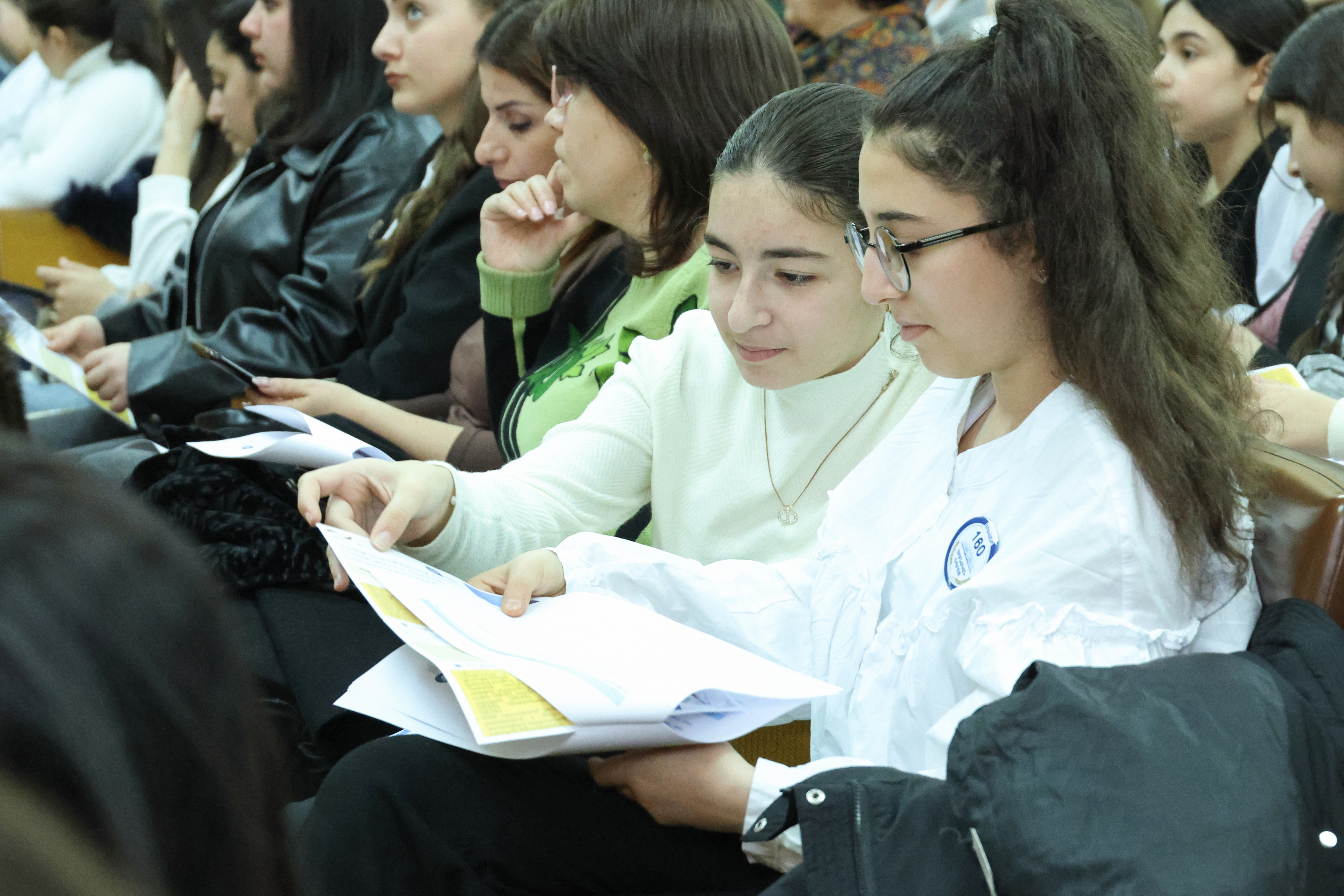
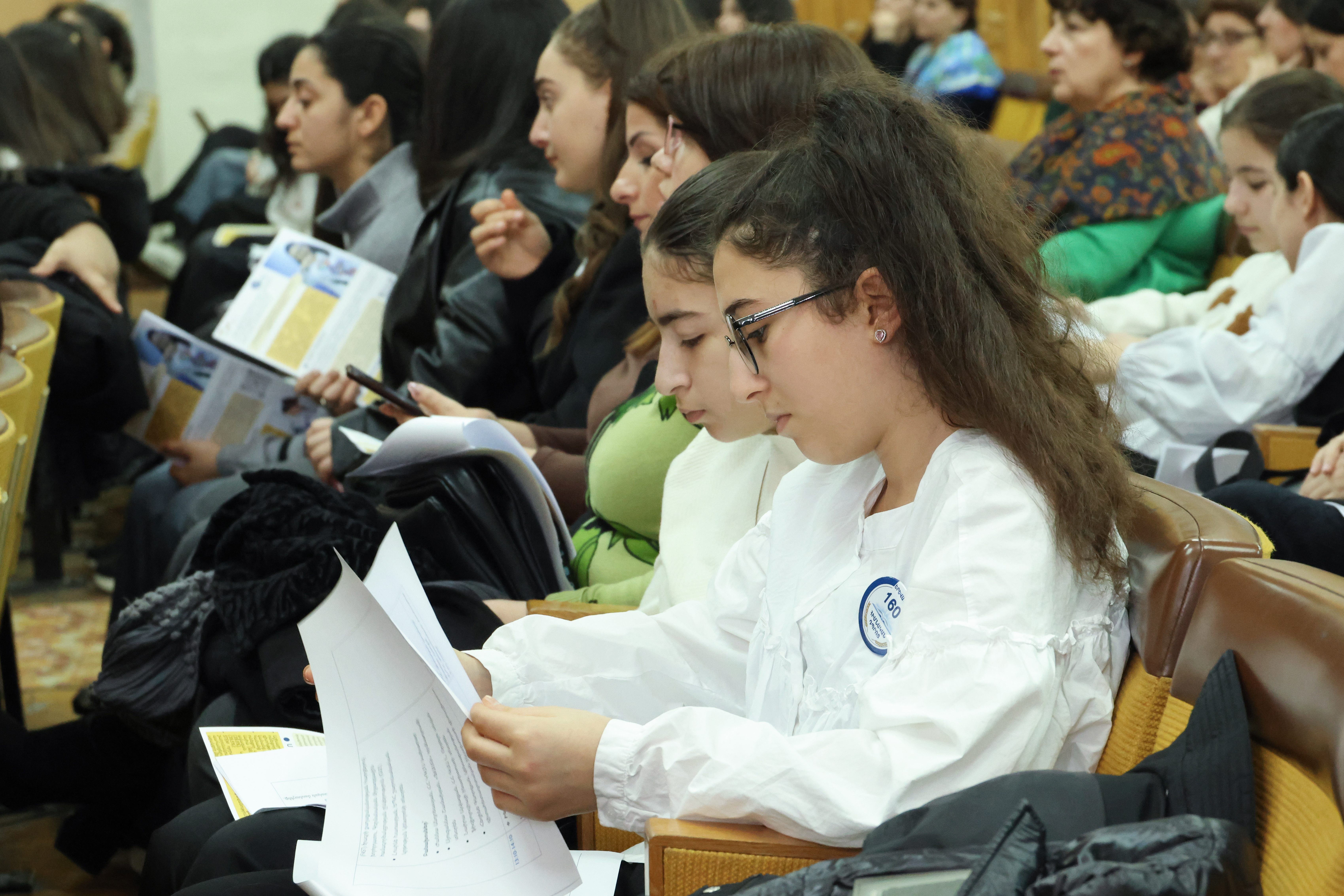
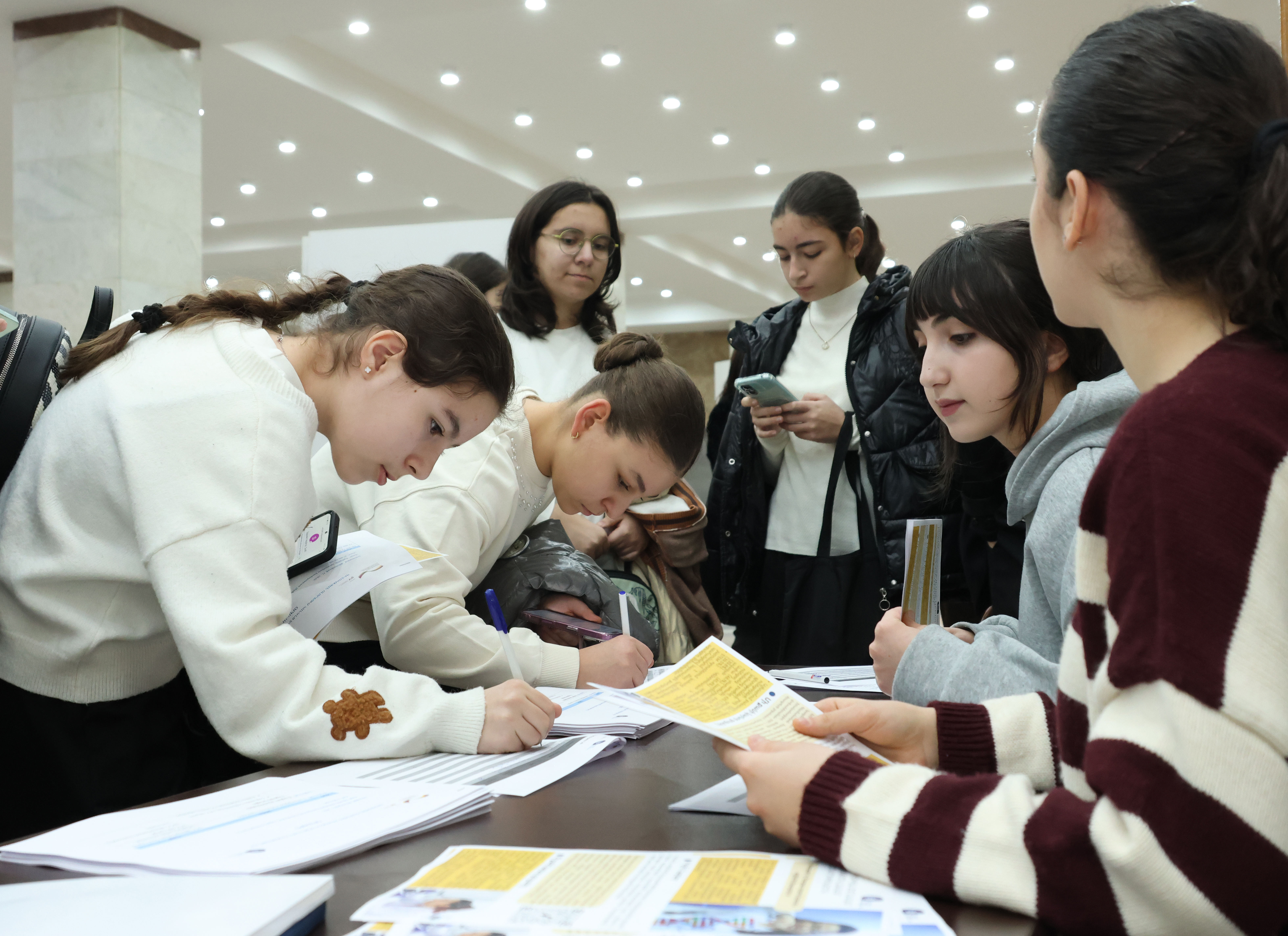
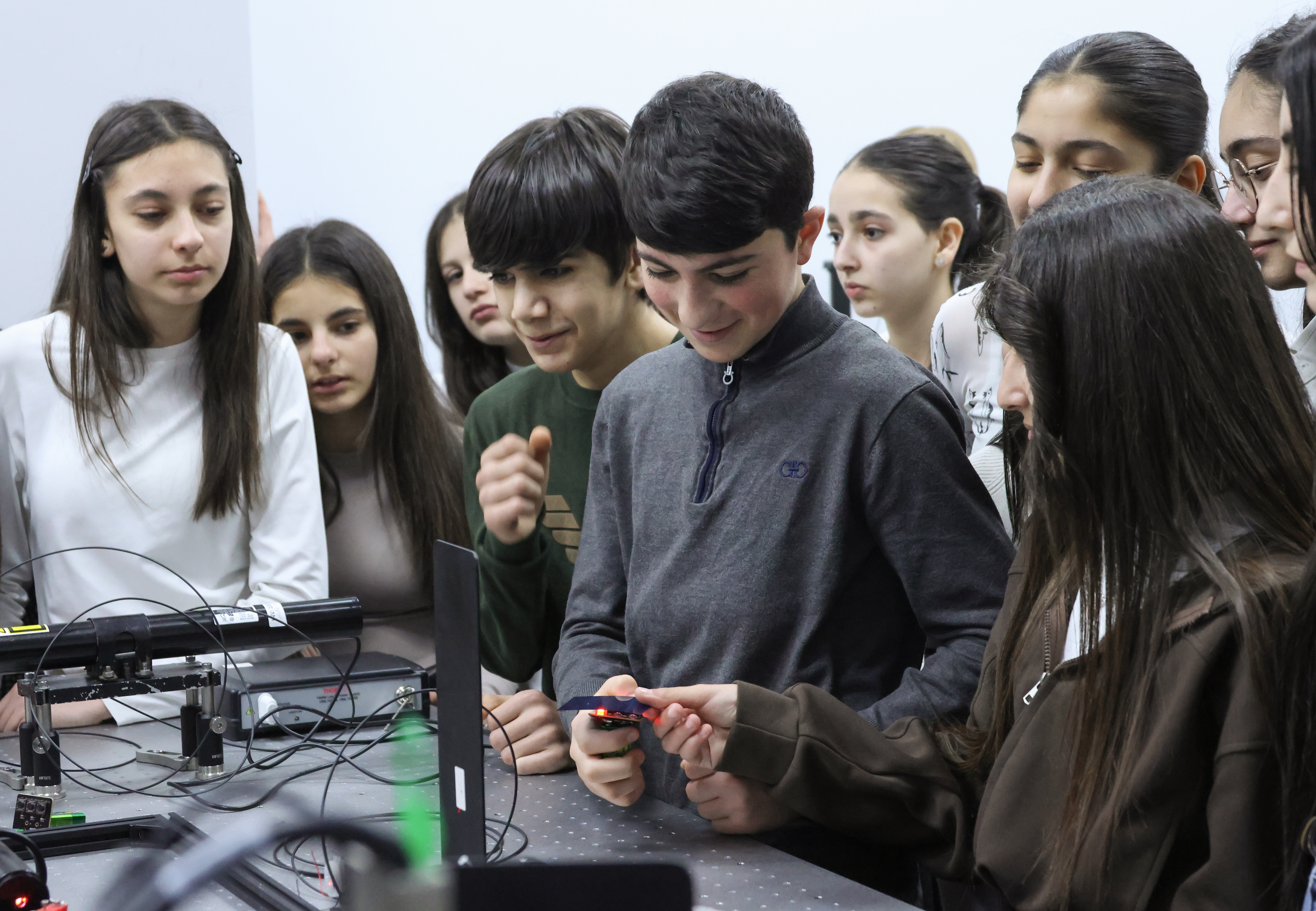
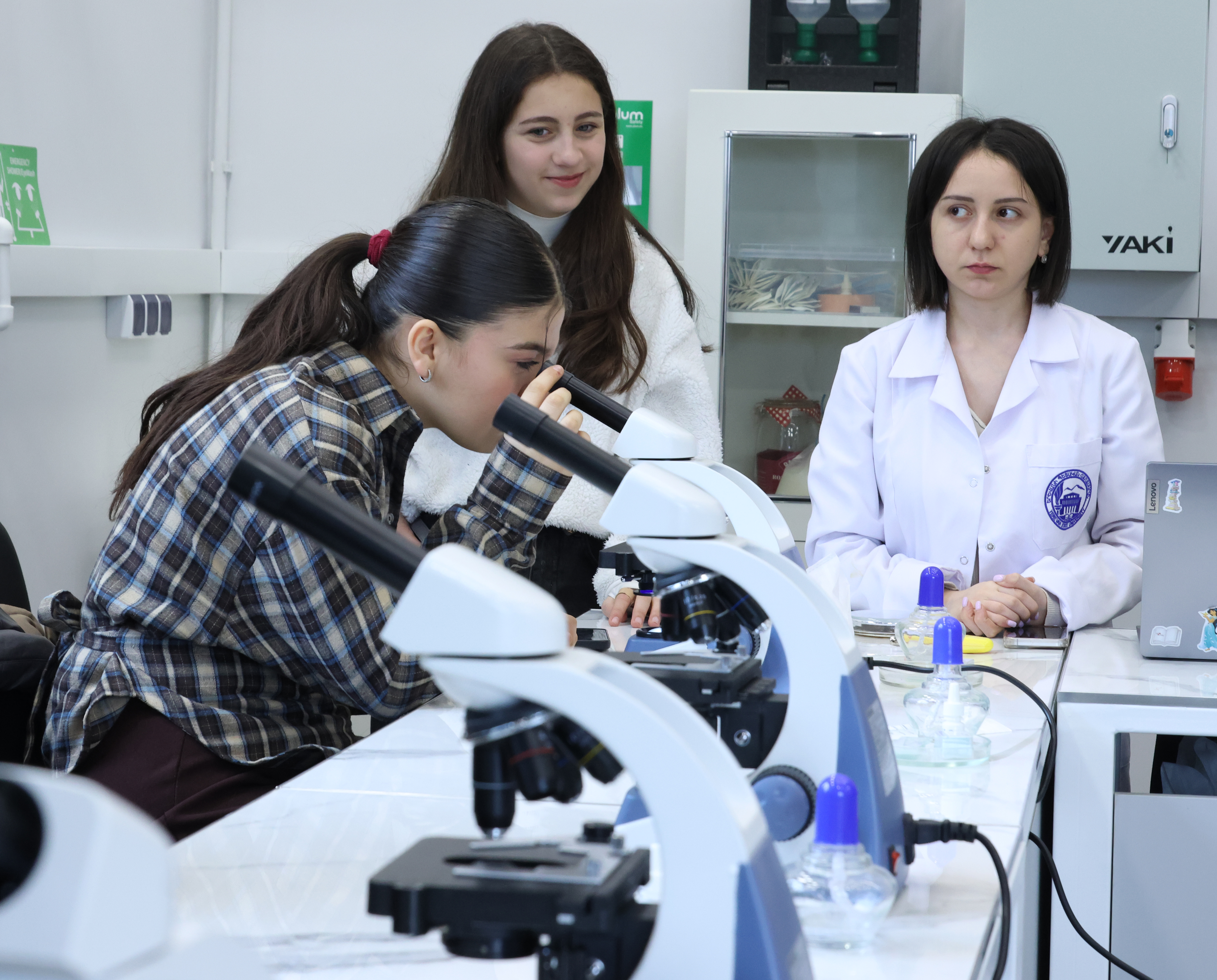
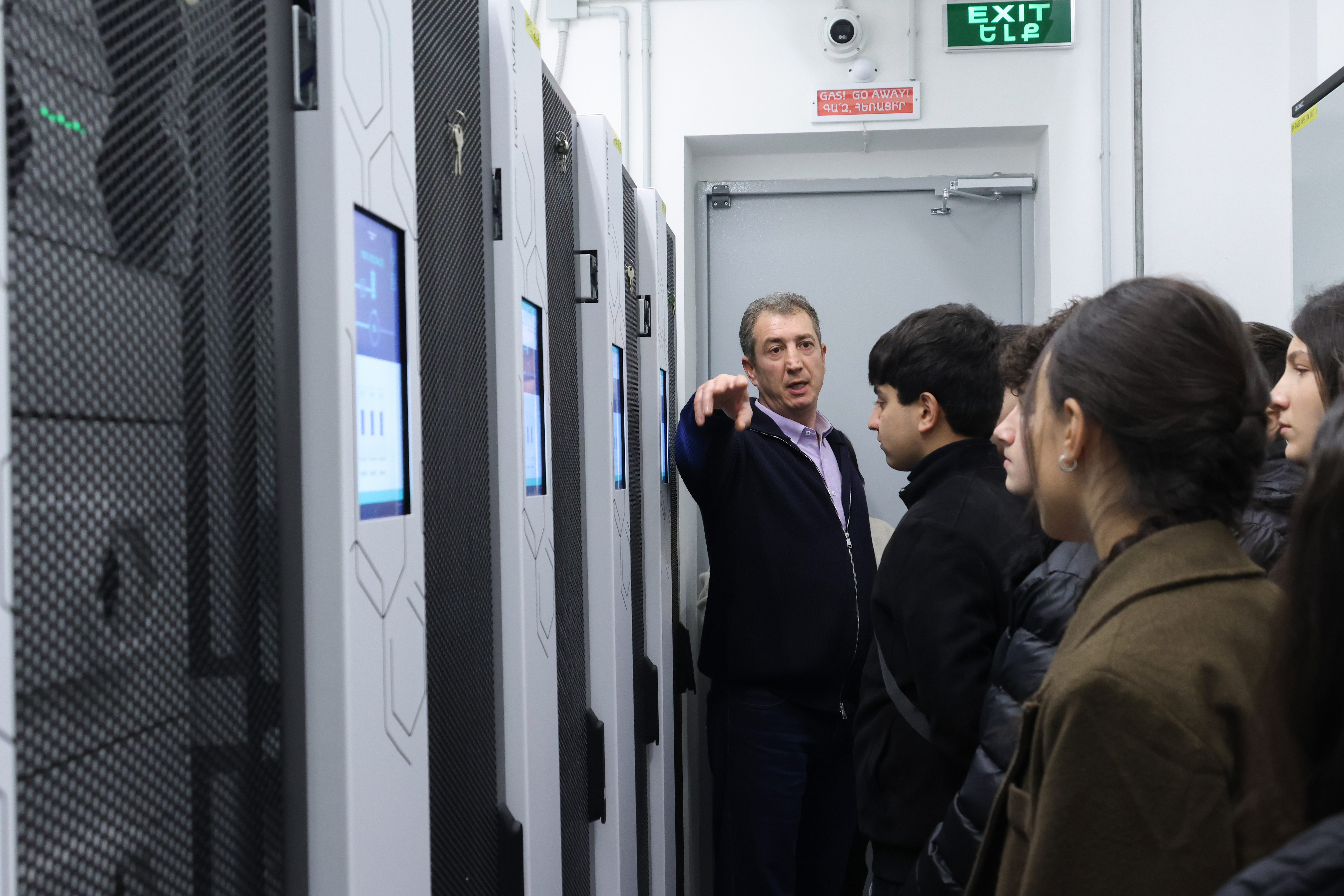
Participants had the opportunity to engage in panel discussions on policies related to women's participation in science, motivation for pursuing scientific careers, and the challenges faced by women scientists. They also took part in workshops and scientific games.
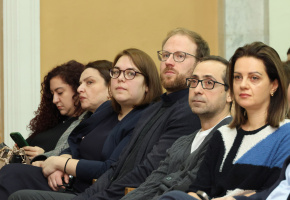
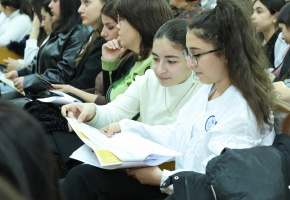
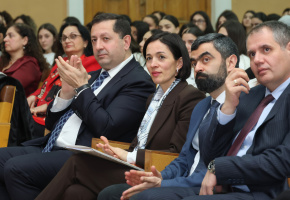
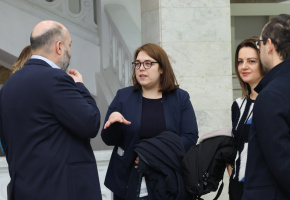
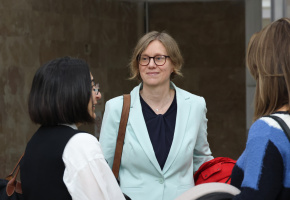
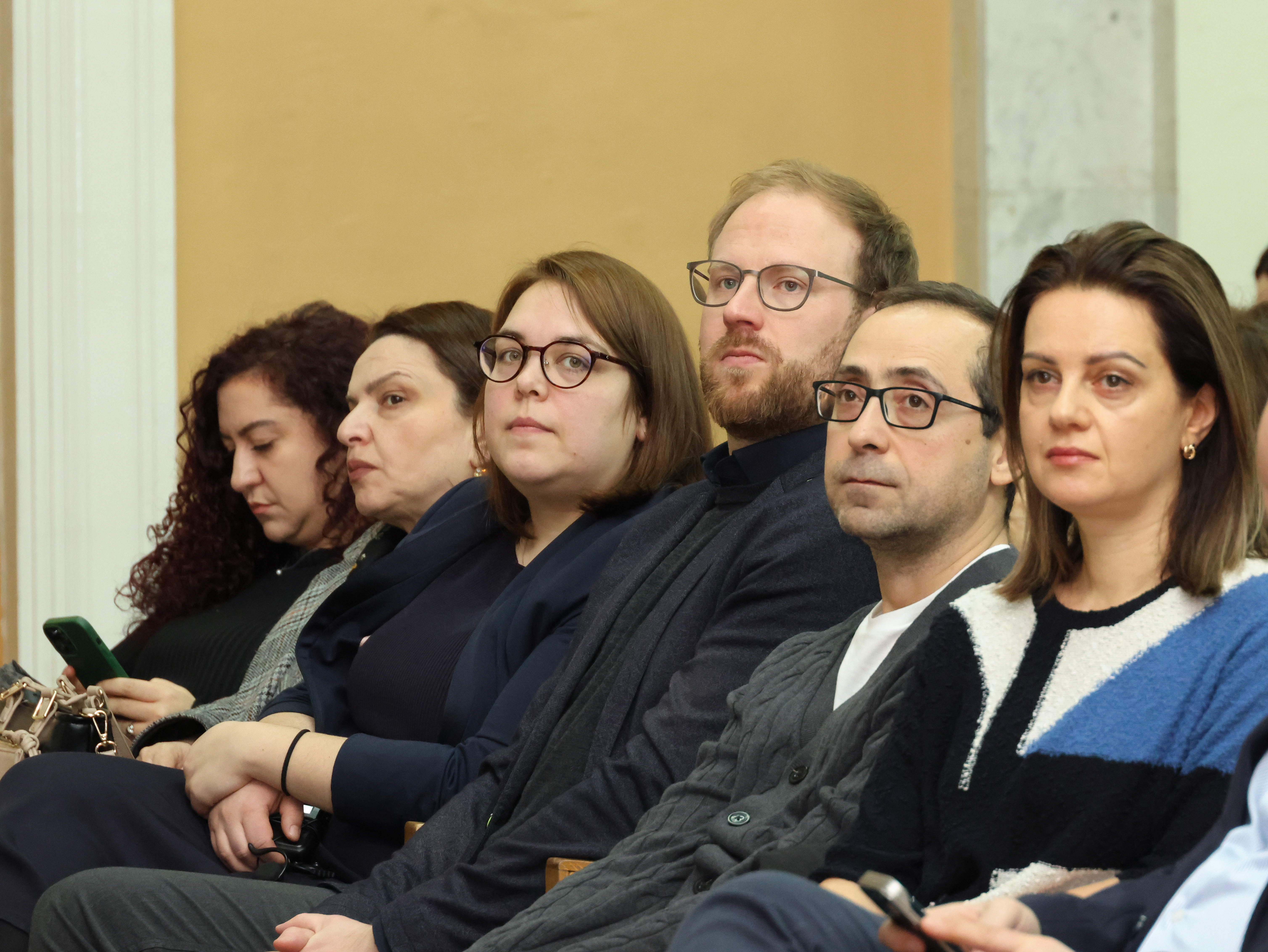
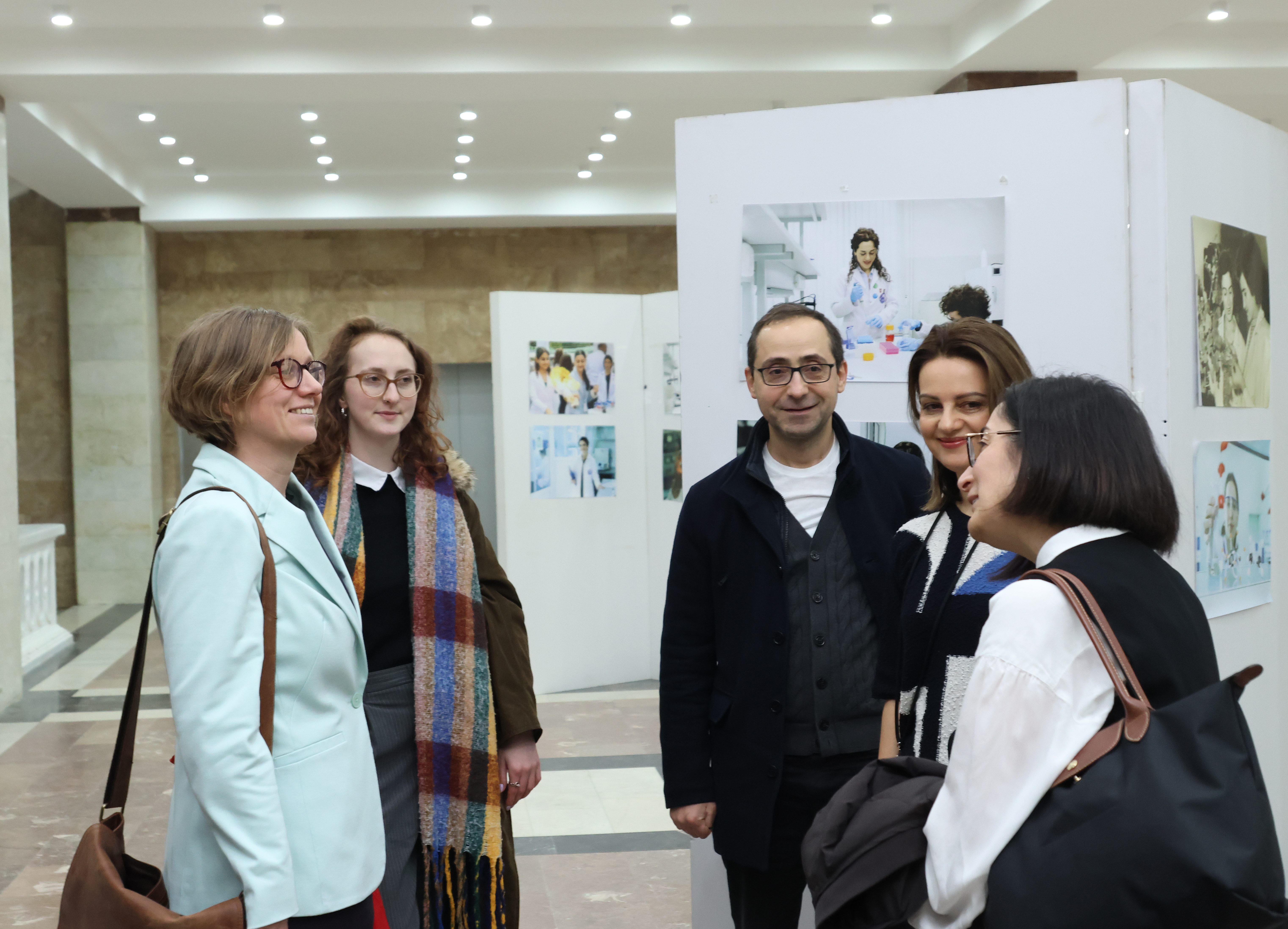
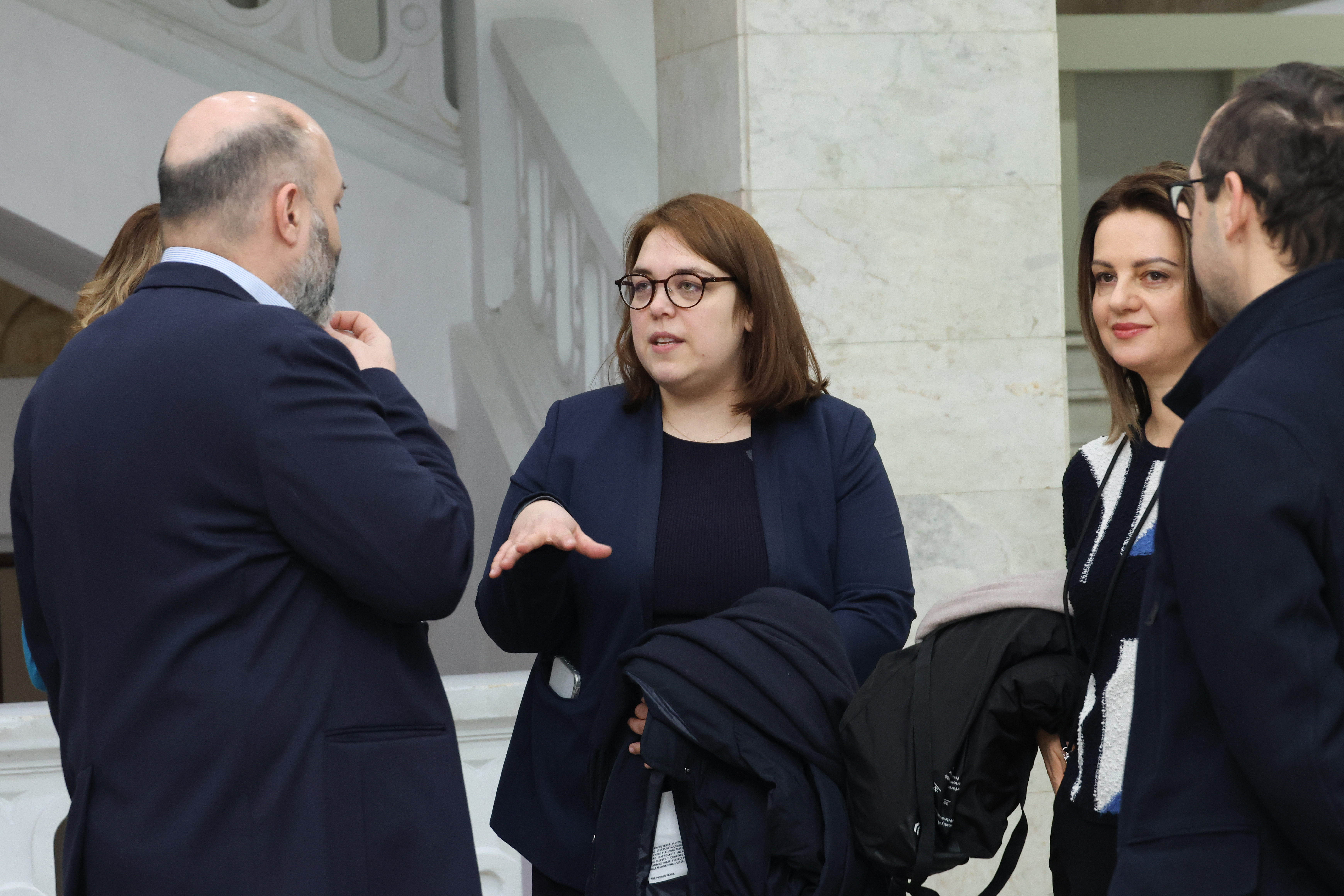
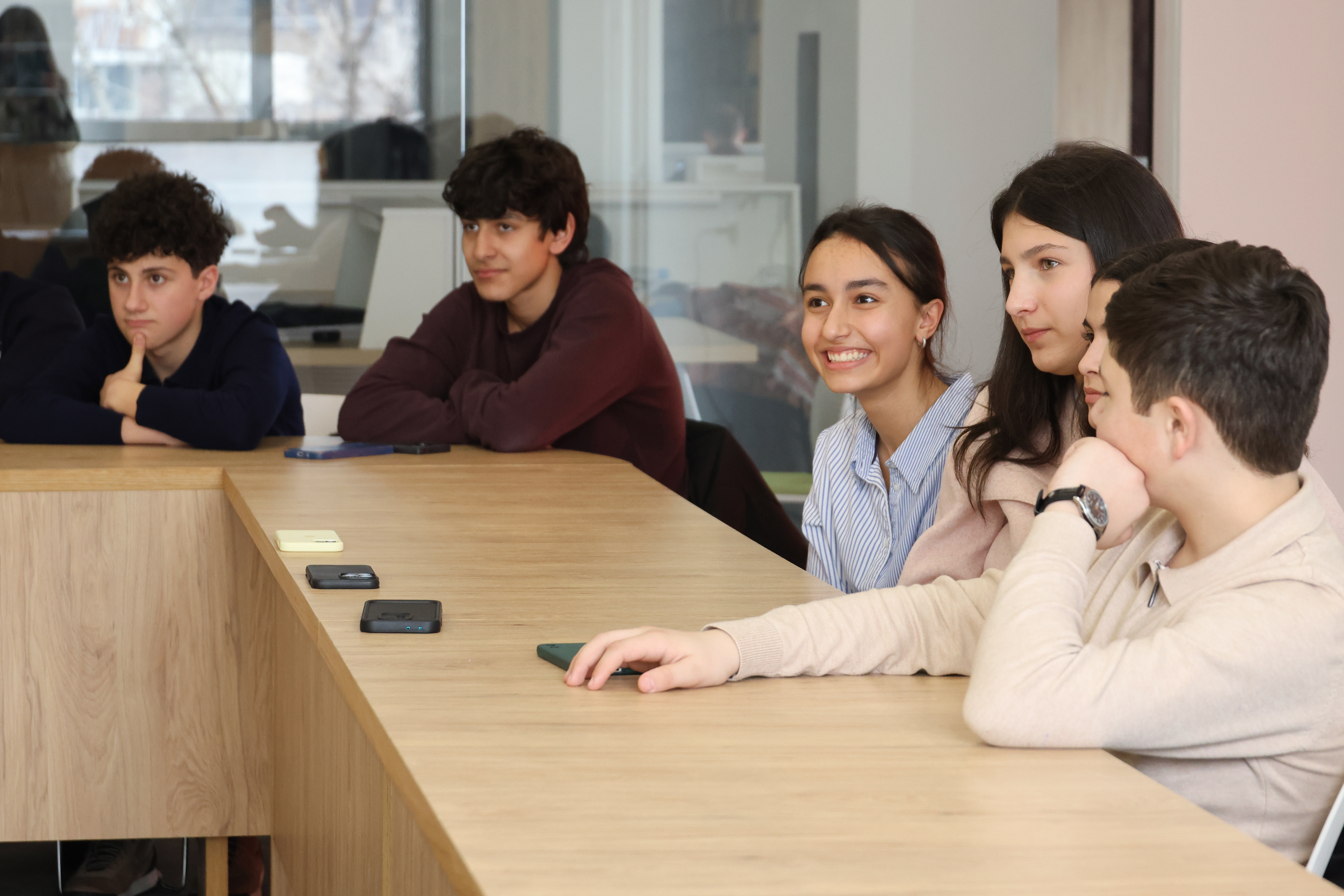
Among those in attendance were Chairman of the RA MoESCS Higher Education and Science Committee Sargis Hayotsyan, rectors of other universities, representatives of scientific and educational institutions, secondary school students, university students, faculty members, as well as other sector representatives and guests.