April 18, 2026 | 19:30
Society
International cooperation
Events
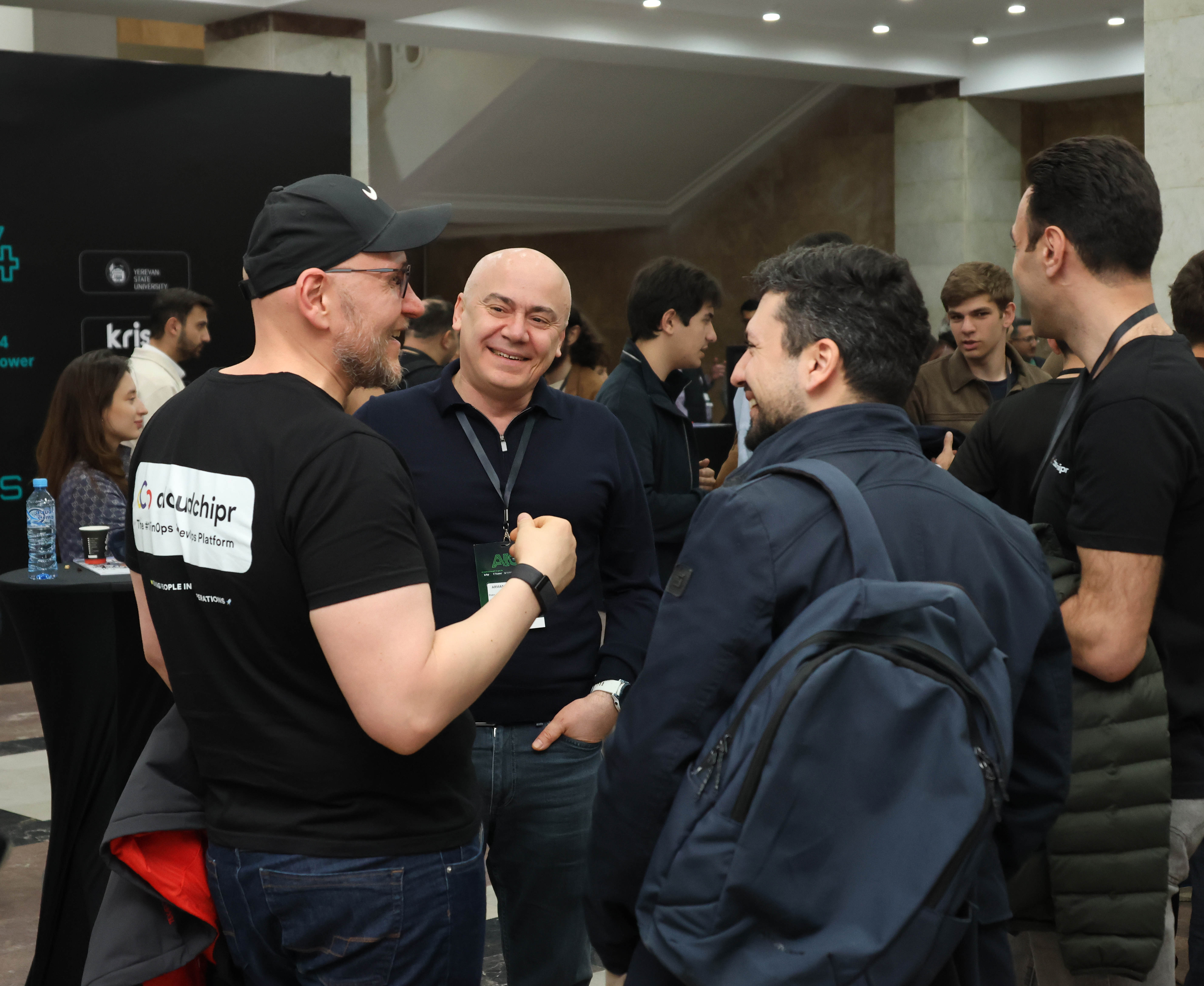
What happens when a nation of three million people gains access to 110,000 graphics processing units? When a government invests $25 million in computational resources to make them available to students, researchers, and startups? When an NVIDIA vice president states that Armenia will soon rank among the world's top five countries by number of GPUs? Or when co-founders and executives of leading global technology companies gather at Yerevan State University to discuss not "what will happen," but "how to leverage this opportunity?"
A technological transformation is unfolding, the scale and pace of which already signal Armenia's potential role on the global AI agenda. In this landscape, Yerevan State University emerges as a pivotal platform—where technology is translated into knowledge, infrastructure into outcomes, and opportunity into reality.
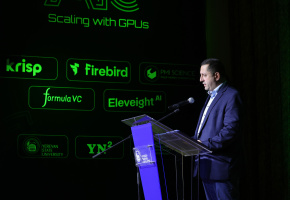
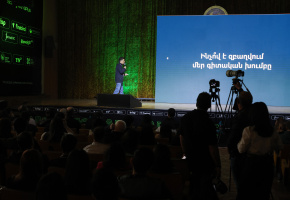
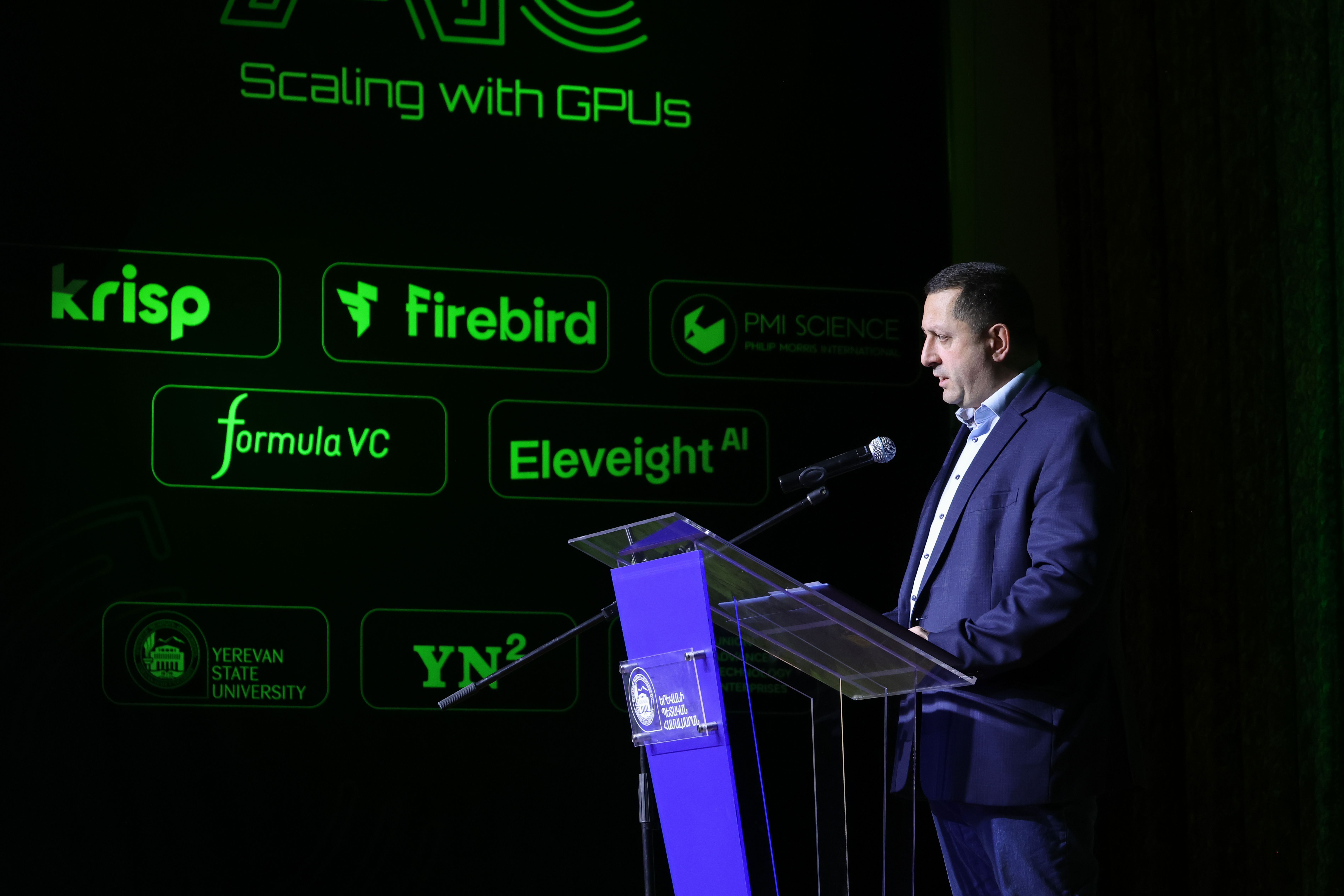
In his opening remarks, YSU Rector Hovhannes Hovhannisyan emphasized that artificial intelligence is reshaping science, the economy, public administration, and human cognition, while exerting a direct impact on the education sector.
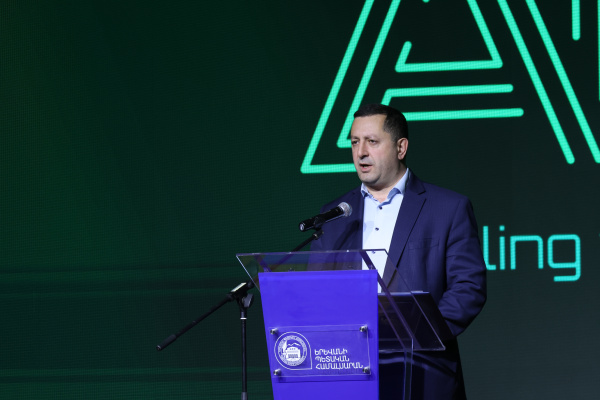
"For YSU, this is not merely an event. It is an agenda in which we hold a clearly defined position, role, and responsibility. The university prepares specialists, tests ideas, and develops innovative approaches that are applied to solving societal challenges."
According to Hovhannisyan, the anticipated rapid advancement of AI in Armenia clearly defines YSU's imperative: to train high-quality specialists, develop new research directions, and create a modern academic and scientific environment.
The rector placed special emphasis on the significance of the supercomputer installed at YSU with Armenian government support, equipped with 64 NVIDIA H100 computing units.
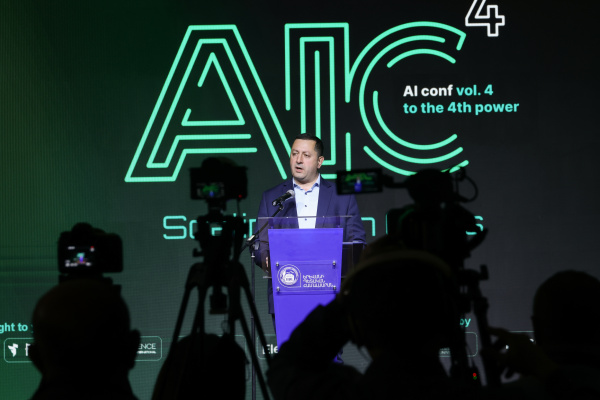
"This is not merely a technical resource. It is an opportunity for a new quality of research, a new educational environment, new collaborations, and new results. Most importantly, it is a signal. When the state makes such an investment, it means that science, education, and technology are viewed as national priorities."
He stressed that YSU's responsibility is to transform this infrastructure into tangible results: teaching students to work with big data and modeling, providing research groups with computational power comparable to leading international centers, collaborating with the private sector to address real-world challenges, and supporting the public sector in decision-making—in other words, building a comprehensive ecosystem.
YSU Vice-Rector for Scientific Affairs Rafayel Barkhudaryan presented the university's scientific achievements and AI infrastructure, noting that the supercomputer is already operating at significant capacity. Currently, GPU utilization stands at 79%, while CPU usage is recorded at 72%.
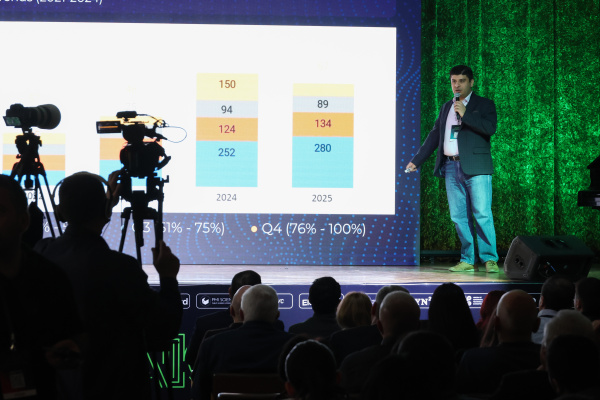
"These figures reflect a genuine and growing demand for such high-performance resources within both the university and the broader scientific community. It demonstrates that an environment is taking shape at YSU where modern computational power is directly integrated into research and educational workflows."
Barkhudaryan also highlighted the upward trend in publications by YSU researchers in international peer-reviewed journals, emphasizing a notable increase in papers published in top-tier (Q1) journals.
In this context, he underscored that the university's modern infrastructure is not only a technical asset but also a catalyst for elevating scientific quality. For YSU, this signals that investments are steadily translating into measurable academic output.
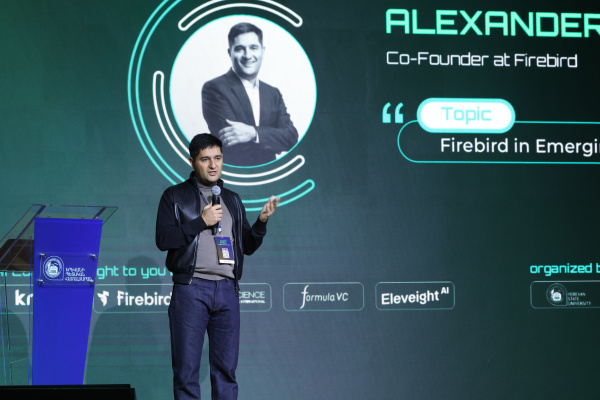
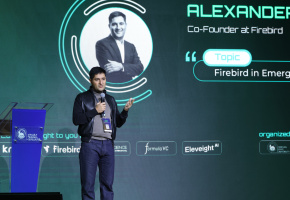
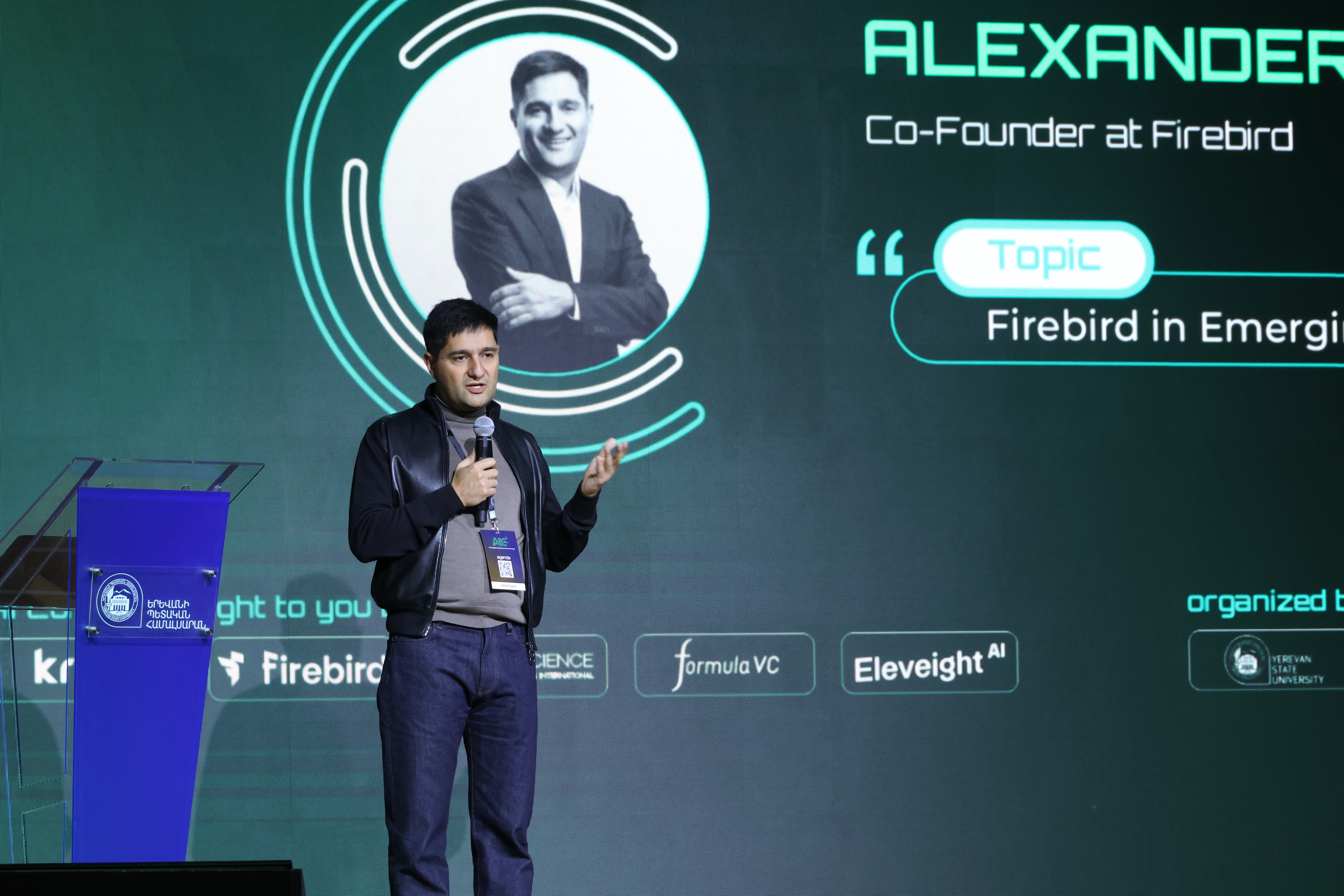
During the conference, Alexander Yesayan, Co-Founder of Firebird, announced plans to double the capacity of the AI factory currently under construction in Armenia.
The AI factory is a joint project between Firebird, NVIDIA, and the Armenian government. Following an initial $500 million investment, the second phase was officially launched on February 10, 2026, with total investments expected to reach approximately $4 billion.
By the end of the year, 50,000 GPUs designated for the second phase are expected to be deployed in Hrazdan. In the third phase, an additional 60,000 GPUs will be deployed in Armenia, bringing the total to 110,000.
"These figures are not merely technical indicators. They signal the emergence of a new computational environment in Armenia, the impact of which will extend to science, education, research, the startup ecosystem, and various sectors of the economy."
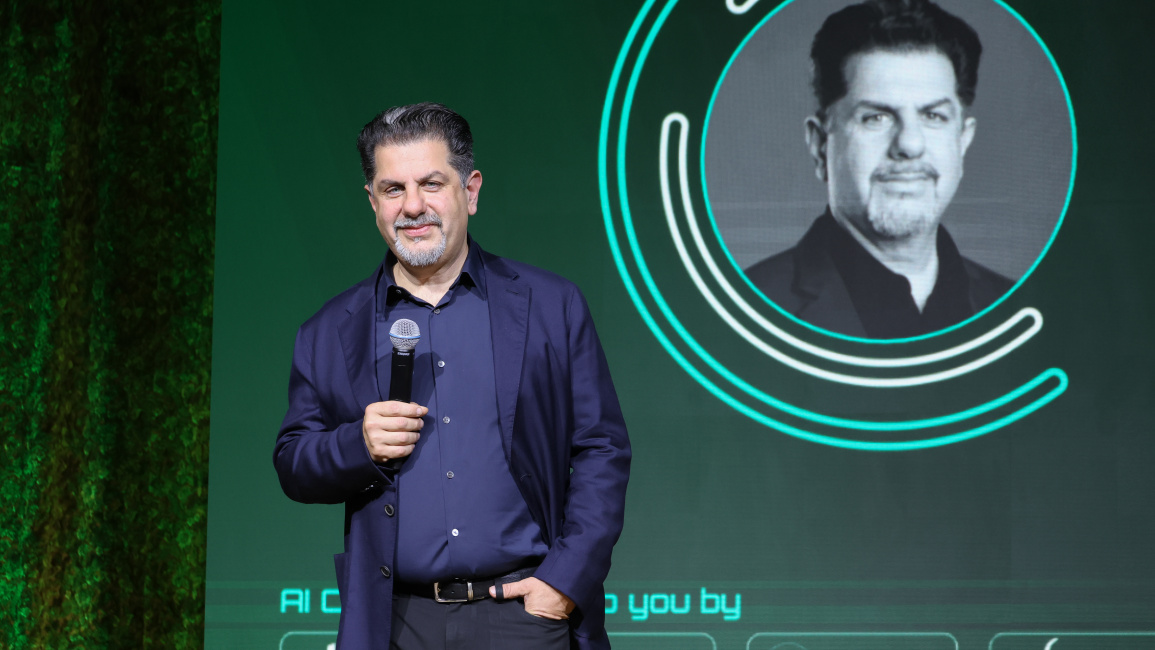
Conference keynote speaker, NVIDIA Vice President Rev Lebaredian, described the development of artificial intelligence as a new phase in which the "rules of the game" have not yet been fully defined. According to him, this creates relatively equal starting conditions for both small and large countries.
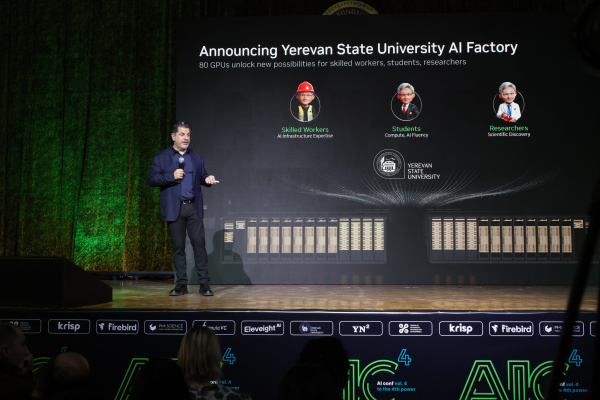
"Today, no one in the world fully knows how to use AI, which creates equal opportunities for both Armenia and the United States. We are now becoming a country rich in AI resources, but it is up to us whether we take advantage of this opportunity. We have the ability to move faster than others."
Lebaredian emphasized that once the announced 50,000 GPUs are put into operation by the end of the year, Armenia could rank among the world’s top five countries by GPU capacity—surpassing even major European states. In his assessment, this is not merely a technical indicator, but a strategic opportunity that could reshape the country's position and influence in the global technology landscape.
He also noted that the 6,000 GPUs from the first phase will become available to researchers within the coming month.
Lebaredian further presented the AI ecosystem as a "five-layer cake," where each layer serves a distinct role: energy as the foundation of AI; chips as the tools that convert energy into intelligence; infrastructure—factories that produce tokens; models (such as GPT and Claude); and the application layer, where technology addresses real-world challenges across various fields including science, agriculture, and business. According to him, Armenia is already participating across all five layers of the AI "cake"—and this is only the beginning.
One of Rev Lebaredian's key points focused on rethinking Armenia's geographical and historical position. He stressed that the world is entering the era of Agentic AI.
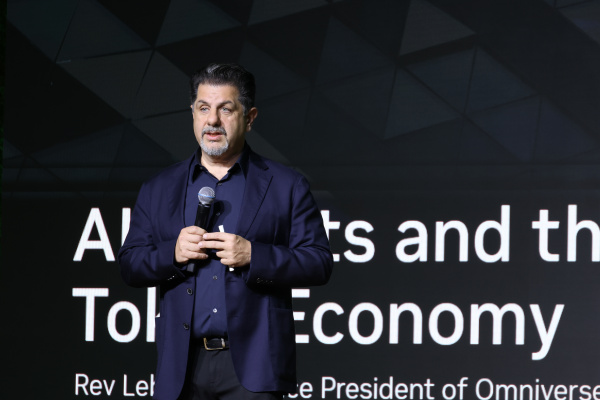
"Unlike previous technologies that merely assisted humans, AI agents can operate independently. For a small country like Armenia, this is a breakthrough: if our population is three million, AI agents can effectively become the country's 'new workforce,' increasing GDP without the quantitative limitations of human resources."
According to Lebaredian, Armenia can be not a story of constraints, but a connecting link—exporting knowledge, attracting new opportunities, and becoming significant not only for itself but also for the wider world. In this sense, technology is no longer just a professional domain, but a development strategy.
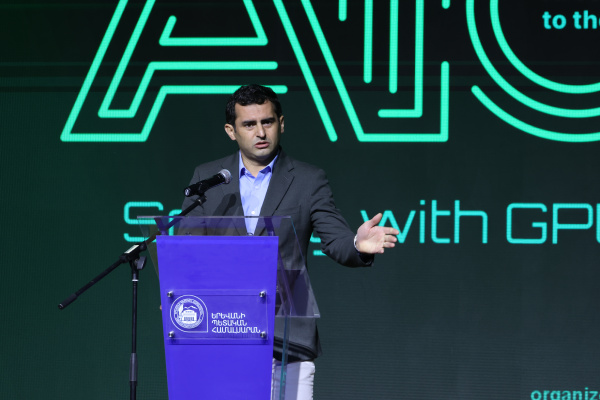
Hakob Arshakyan, Vice President of the National Assembly, recalled discussions in 2019 on establishing a supercomputing center in Armenia—an idea that at the time seemed like a dream even to industry specialists and engineers.
He noted that Armenia's natural resources are limited, and, given the country's population size, human resources are also limited. Under these conditions, he said, the country's main path to development lies in maximizing the scientific, intellectual, and innovative potential of its people.
"AI is viewed in this context as a powerful tool that assists and supports humans. Regardless of profession, people must master new technologies, as AI will transform the work of everyone, including doctors, lawyers, lecturers, and entrepreneurs."
Ruben Simonyan, Deputy Minister of High-Tech Industry of Armenia, said that a day before the conference—on April 17—a contract was signed between the Ministry of High-Tech Industry and Firebird AI for the acquisition of high-performance computing resources.
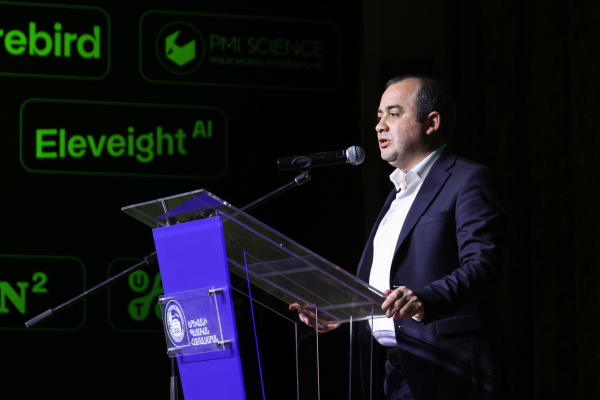
"Armenia is acquiring $25 million worth of computing resources, which will be made available free of charge for five years to students, researchers, scientists, and startups."
This also represents a significant opportunity for Yerevan State University, as its research groups, students, and faculty gain broader access to a modern computing environment.
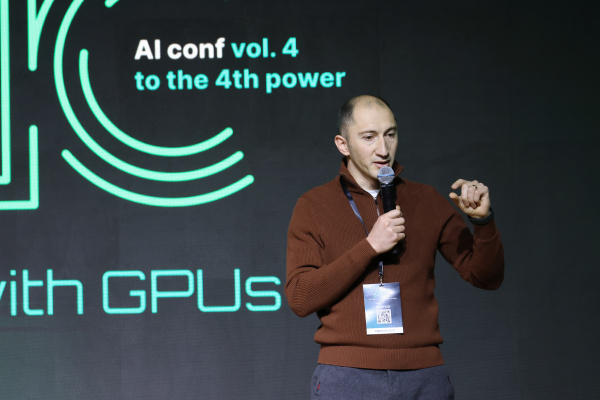
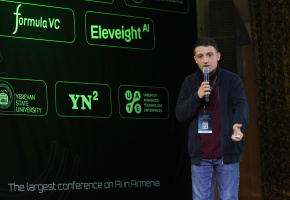
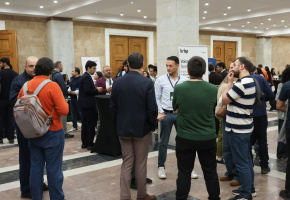
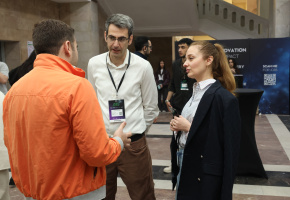
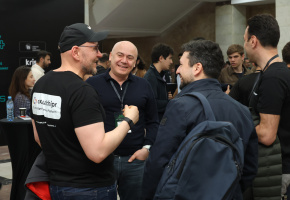
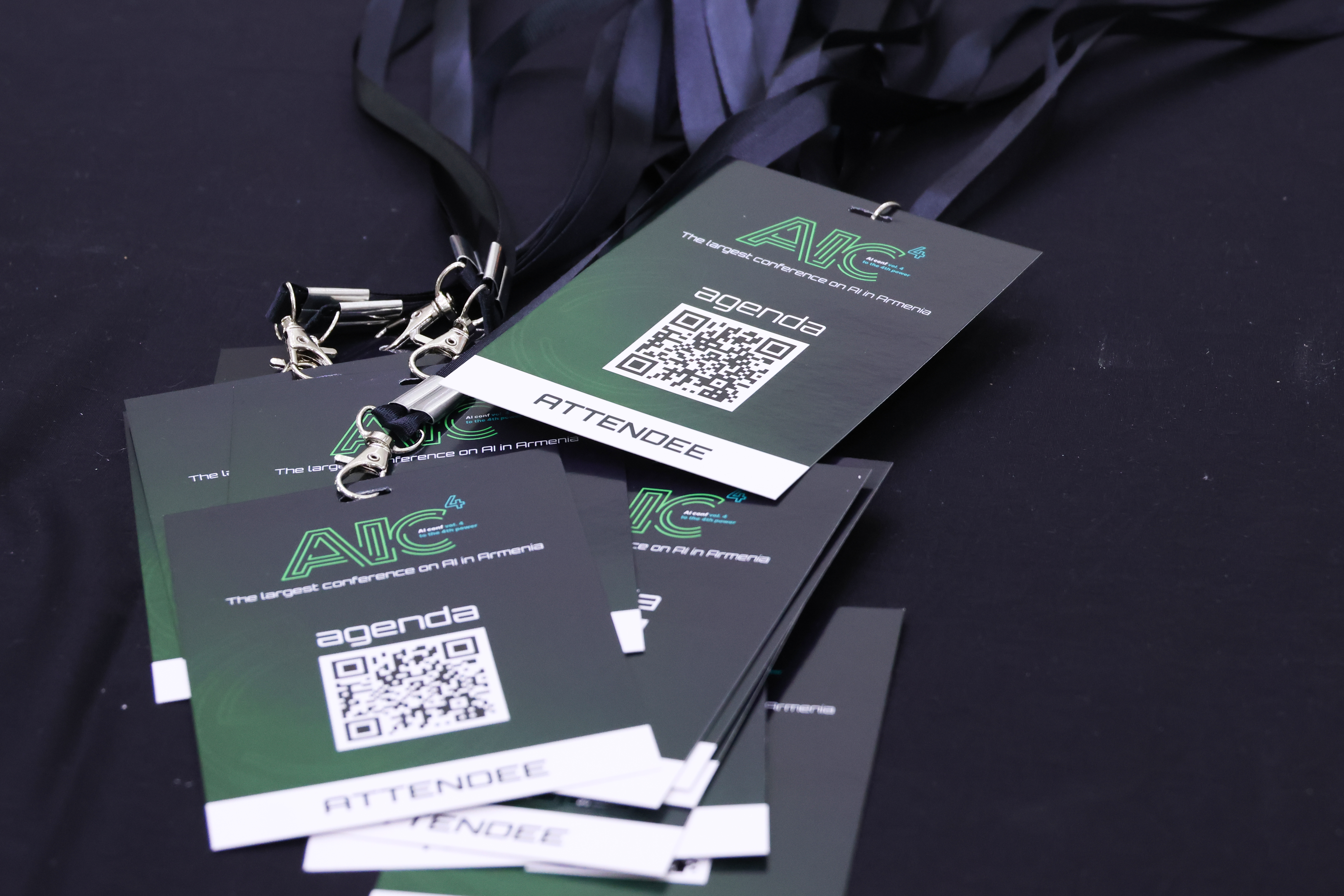
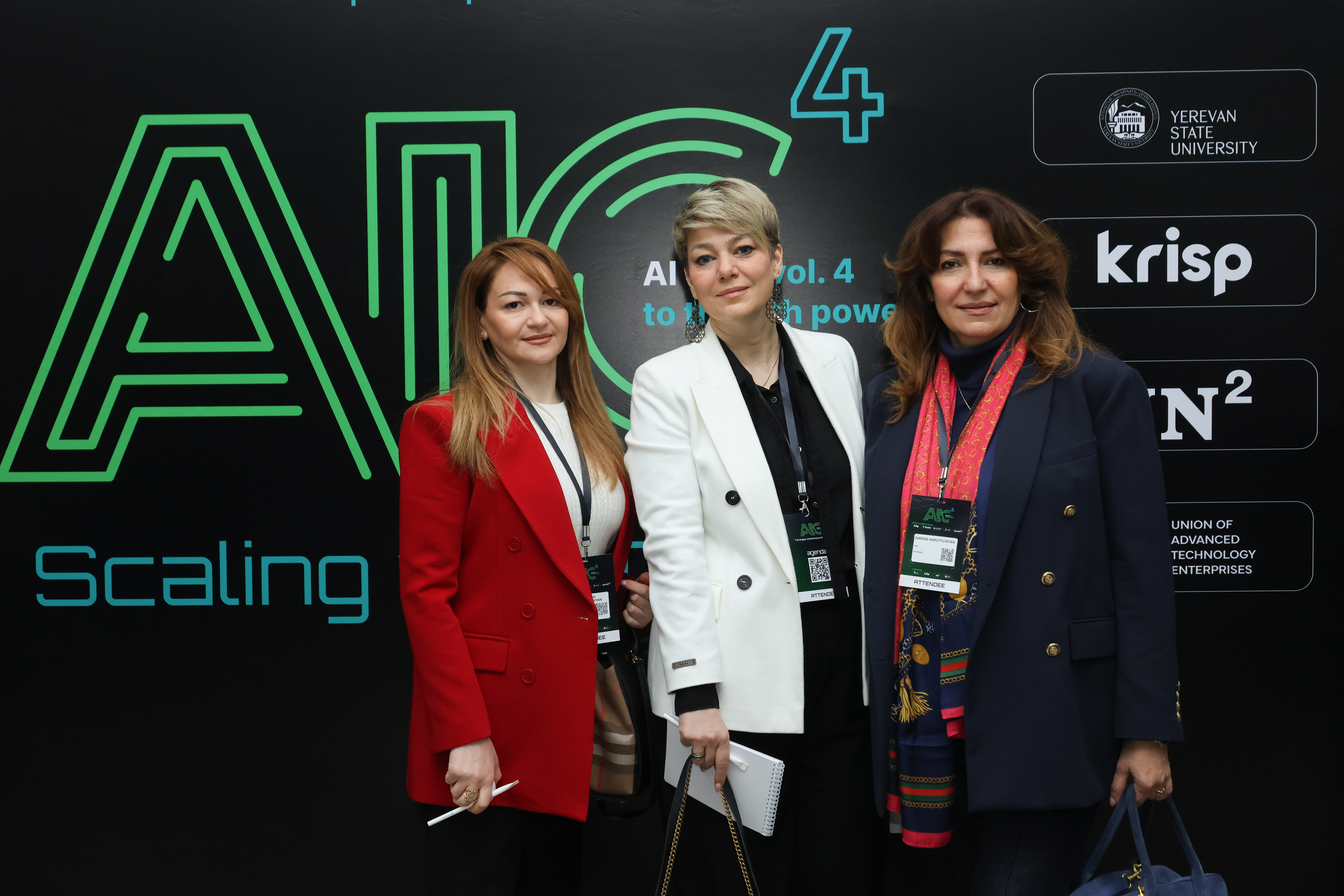
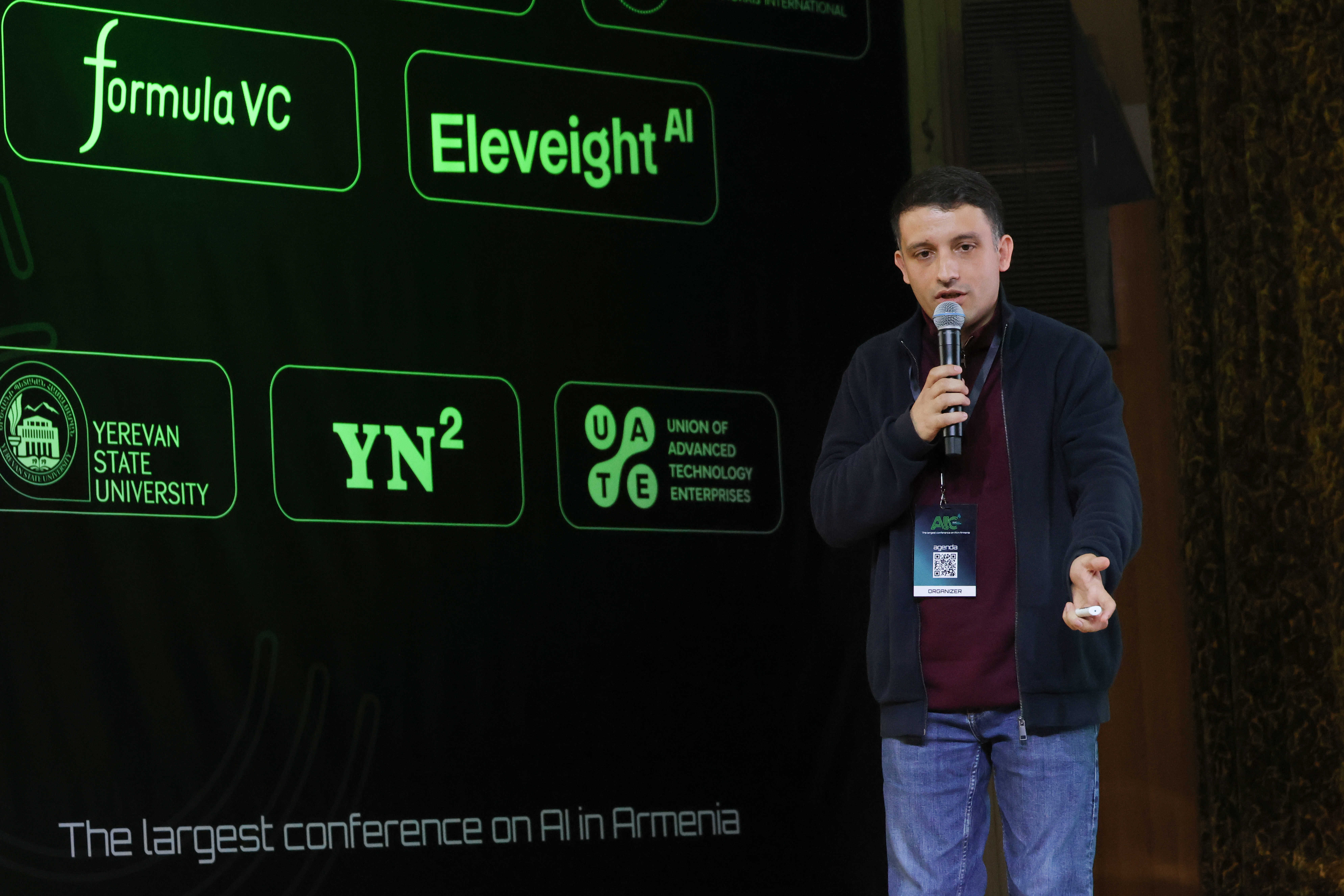
The Union of Advanced Technology Enterprises (UATE) was among the co-organizers of AI Conf Armenia 2026, with its involvement seen as important for fostering professional and institutional cooperation in the sector.
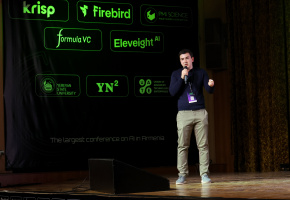
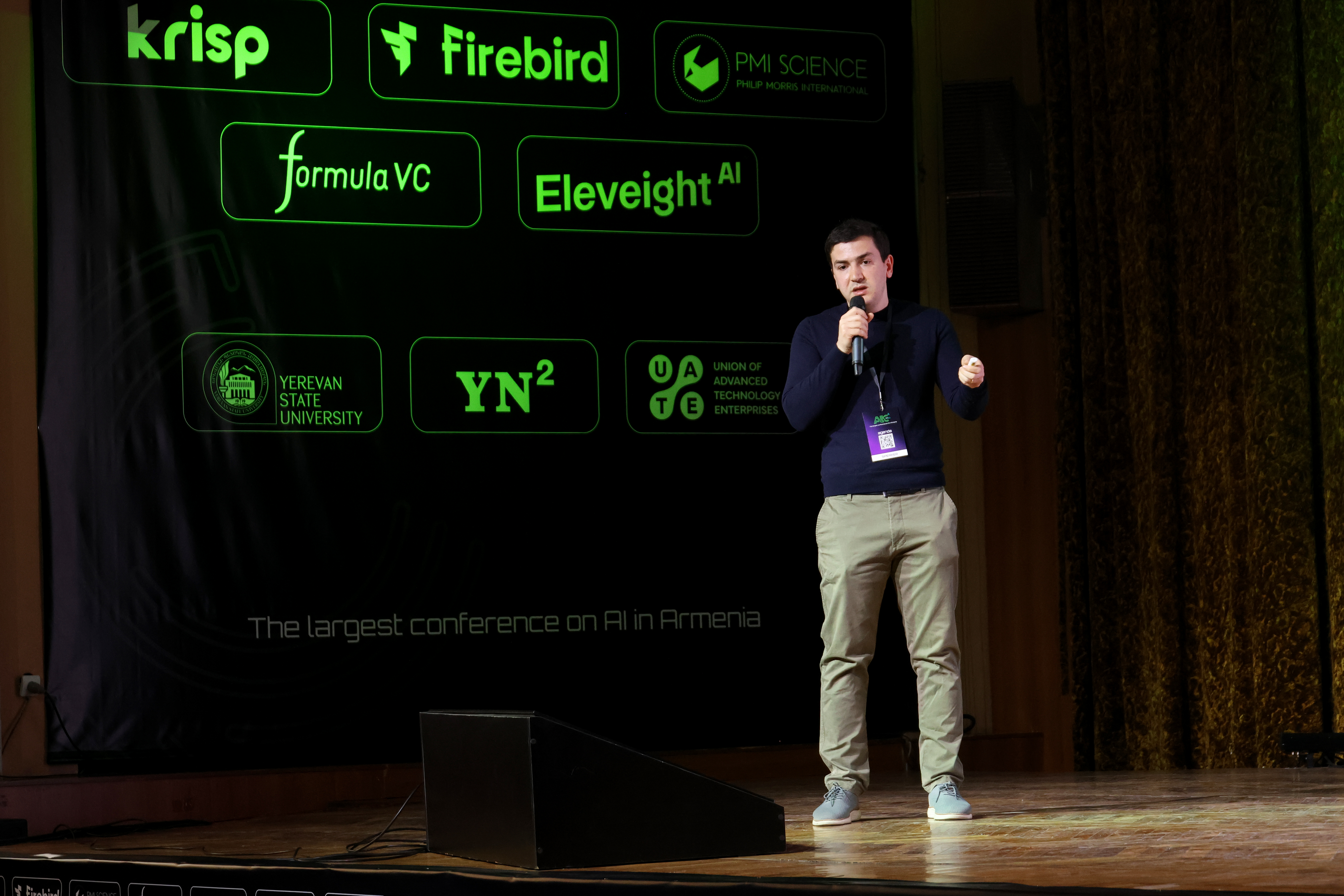
During the conference, UATE CEO Sargis Karapetyan emphasized that it was a great honor for him to stand on the stage of Yerevan State University, where figures such as Viktor Hambardzumyan had once spoken. He said that such platforms continue to host discussions that go beyond technology and address issues critical to the country's development.
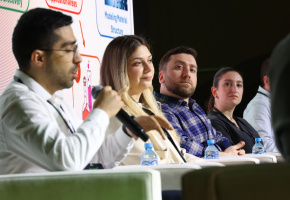
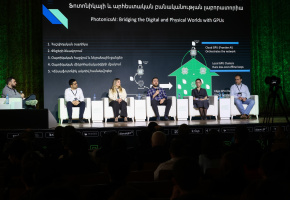
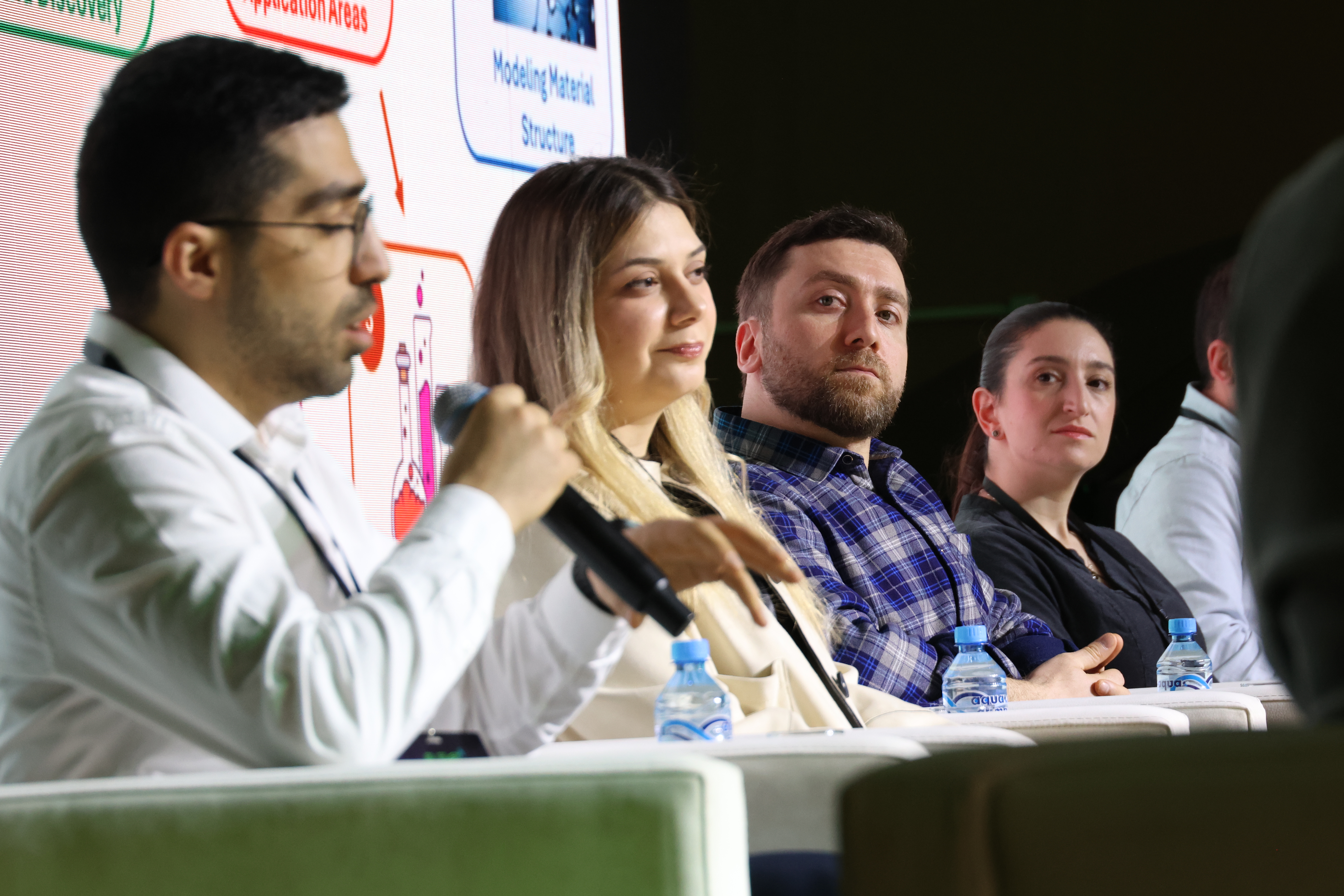
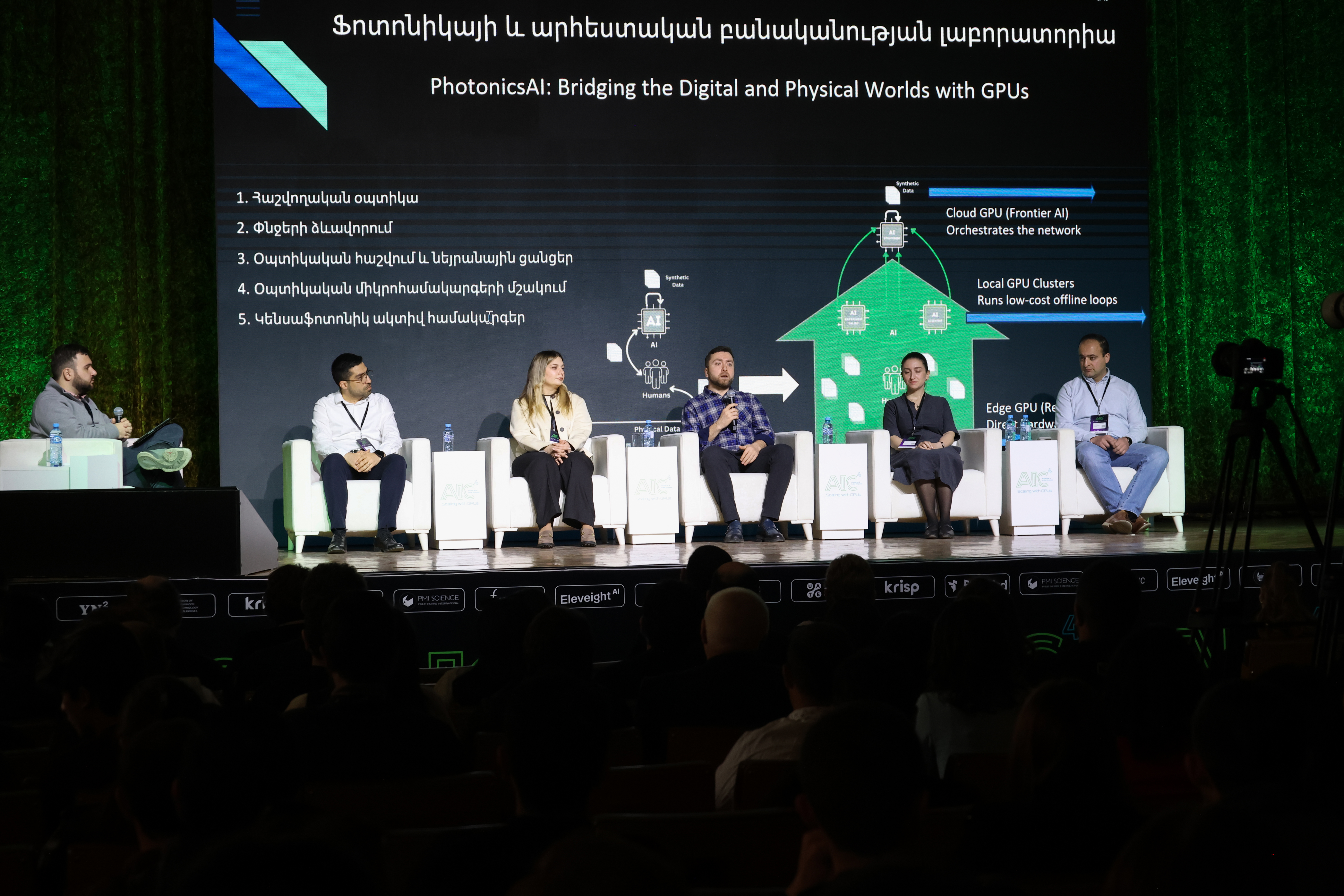
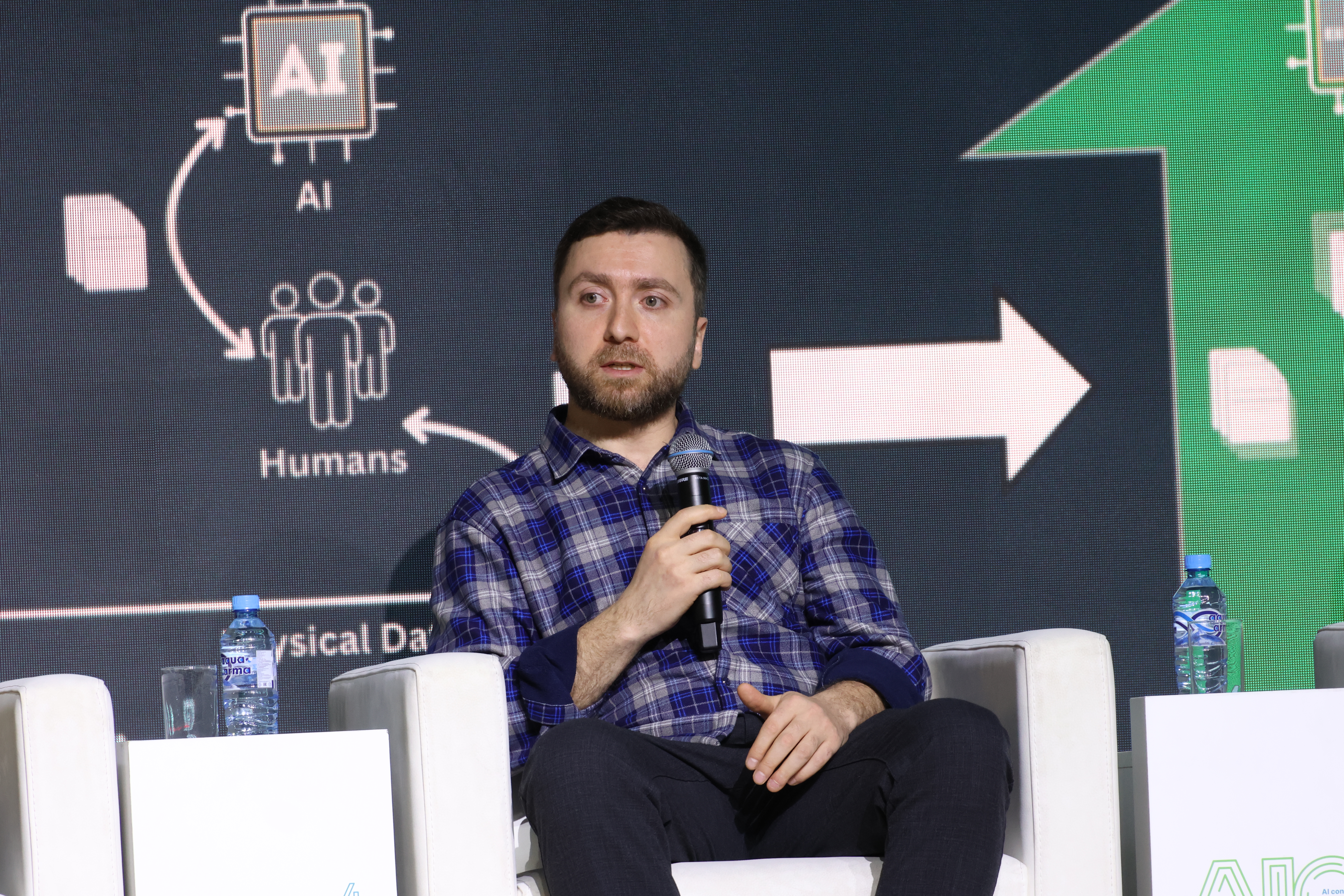
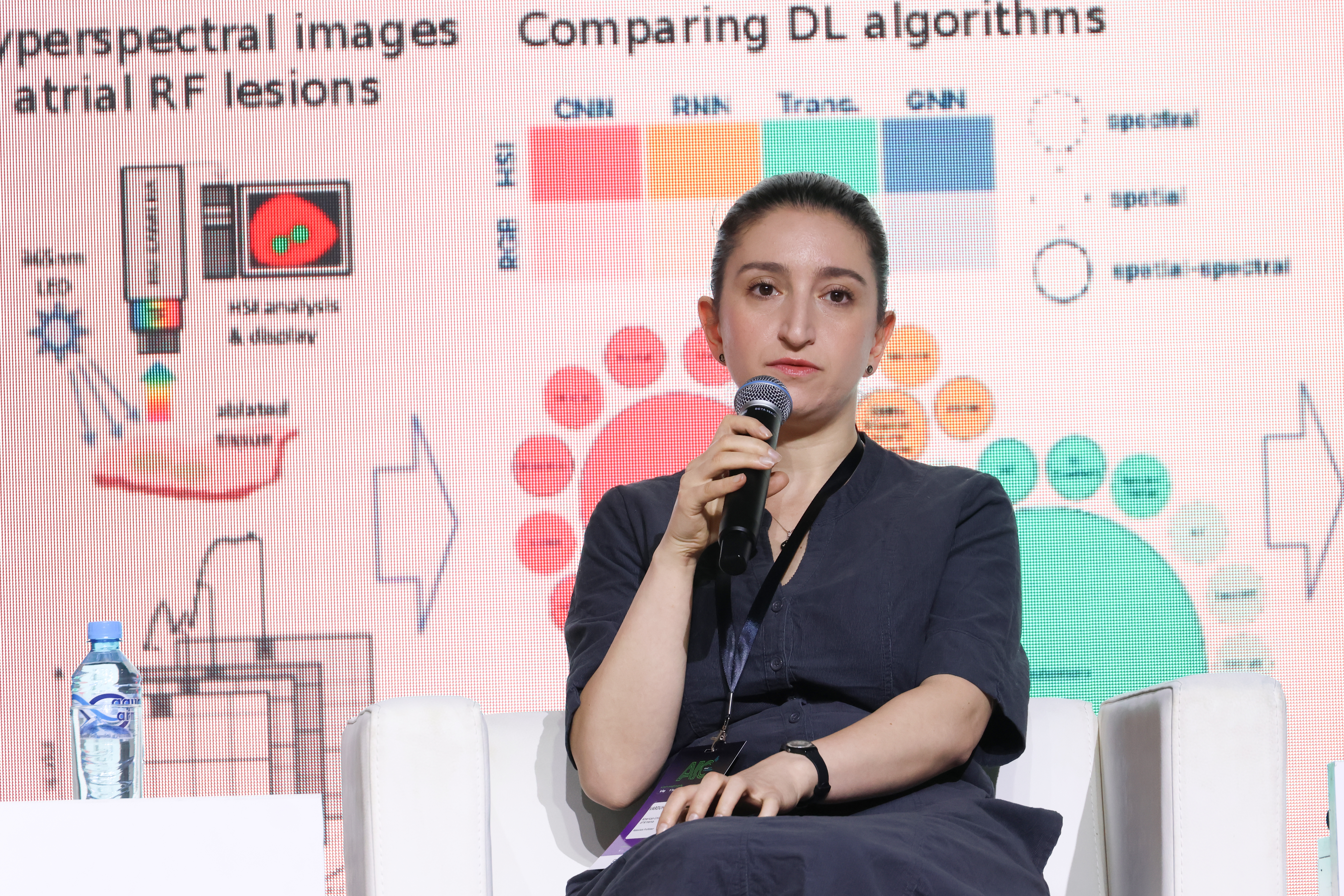
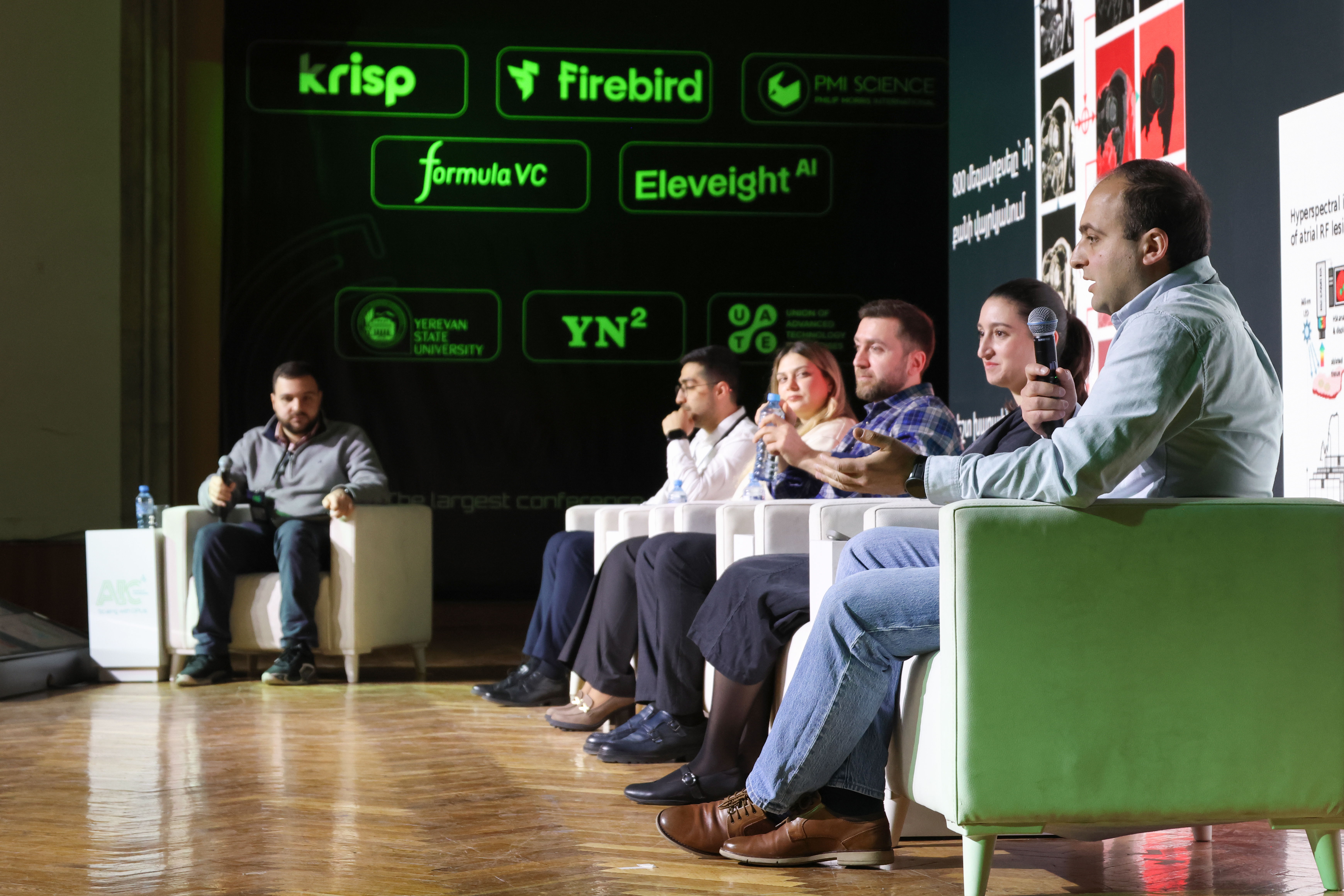
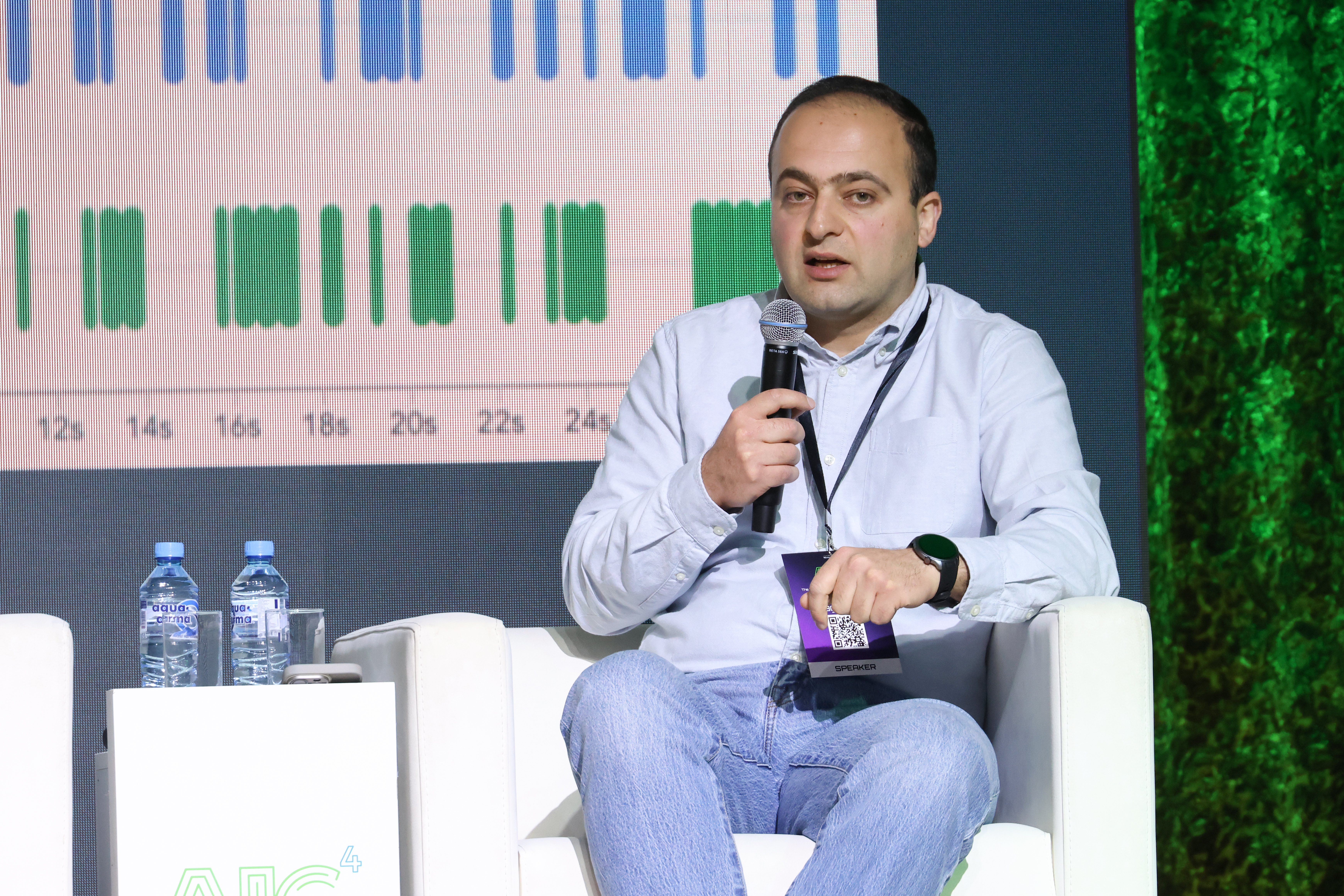
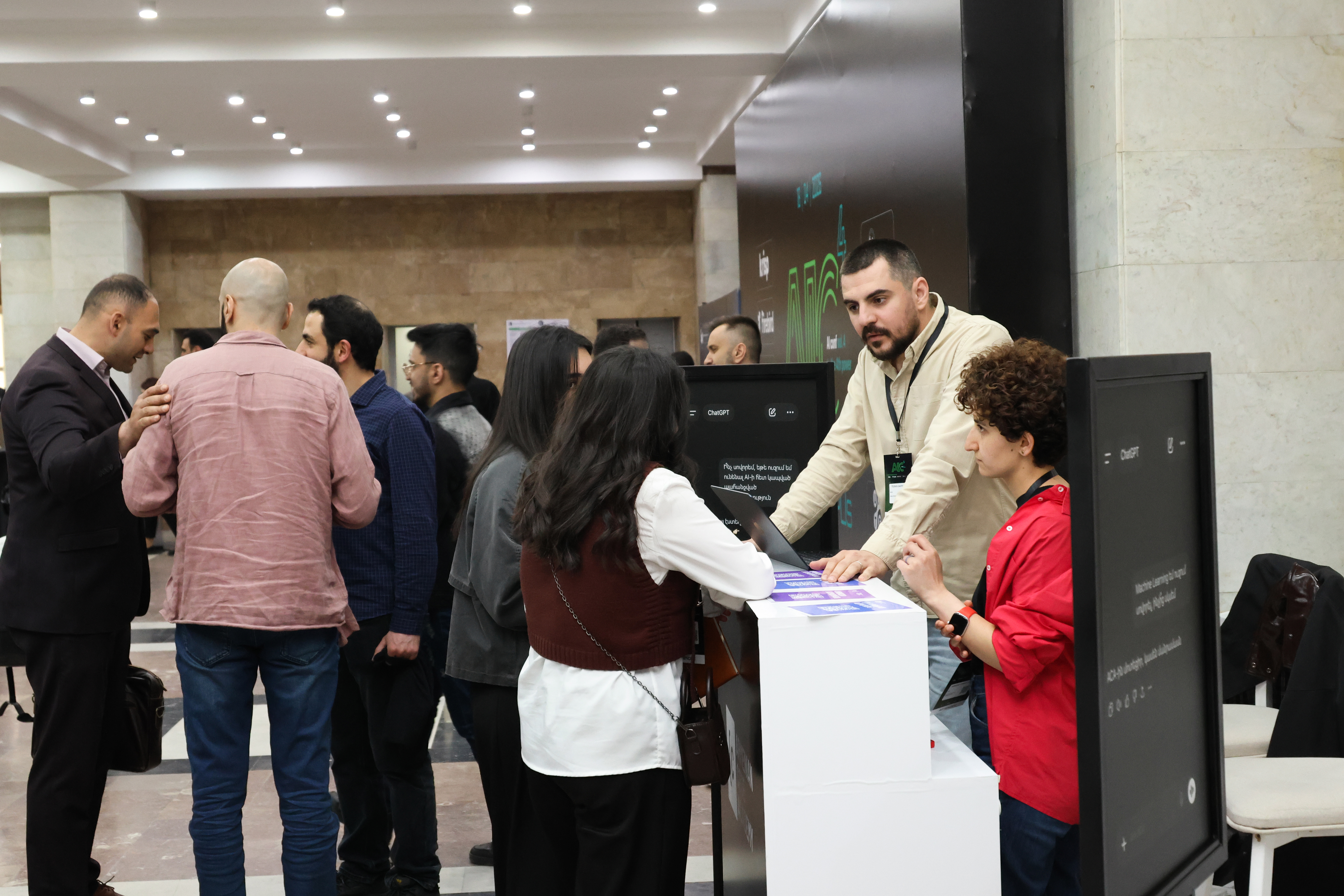
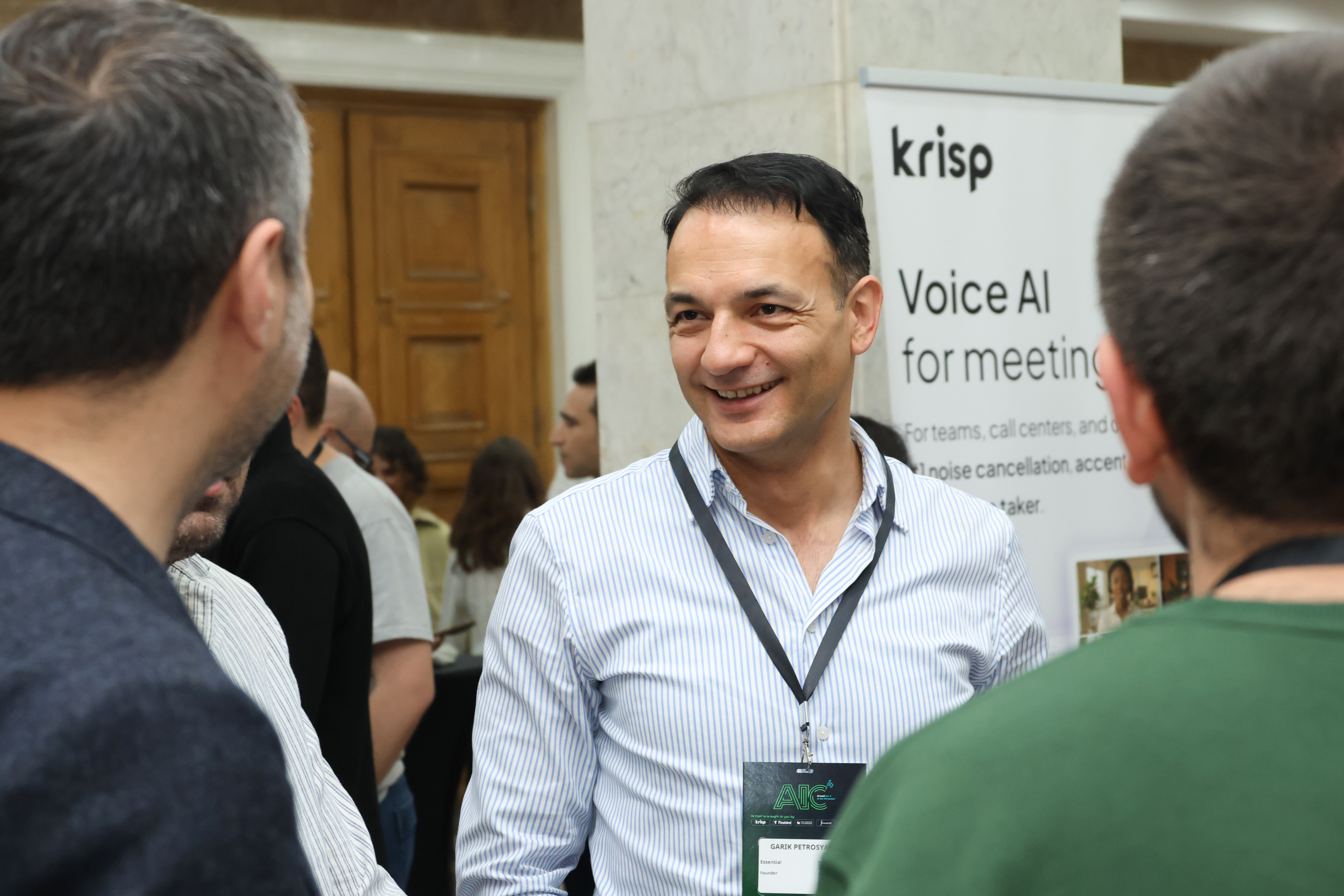
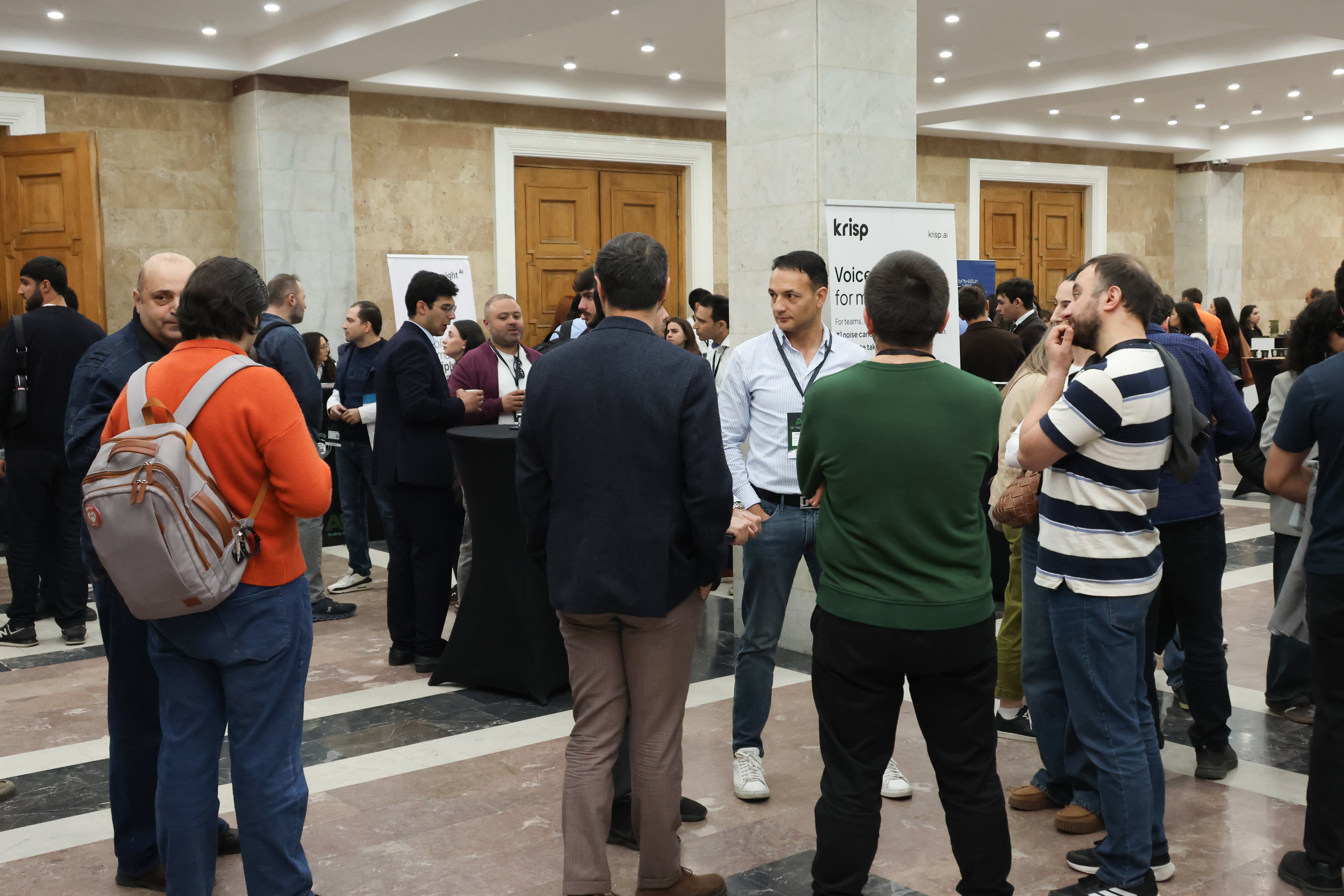
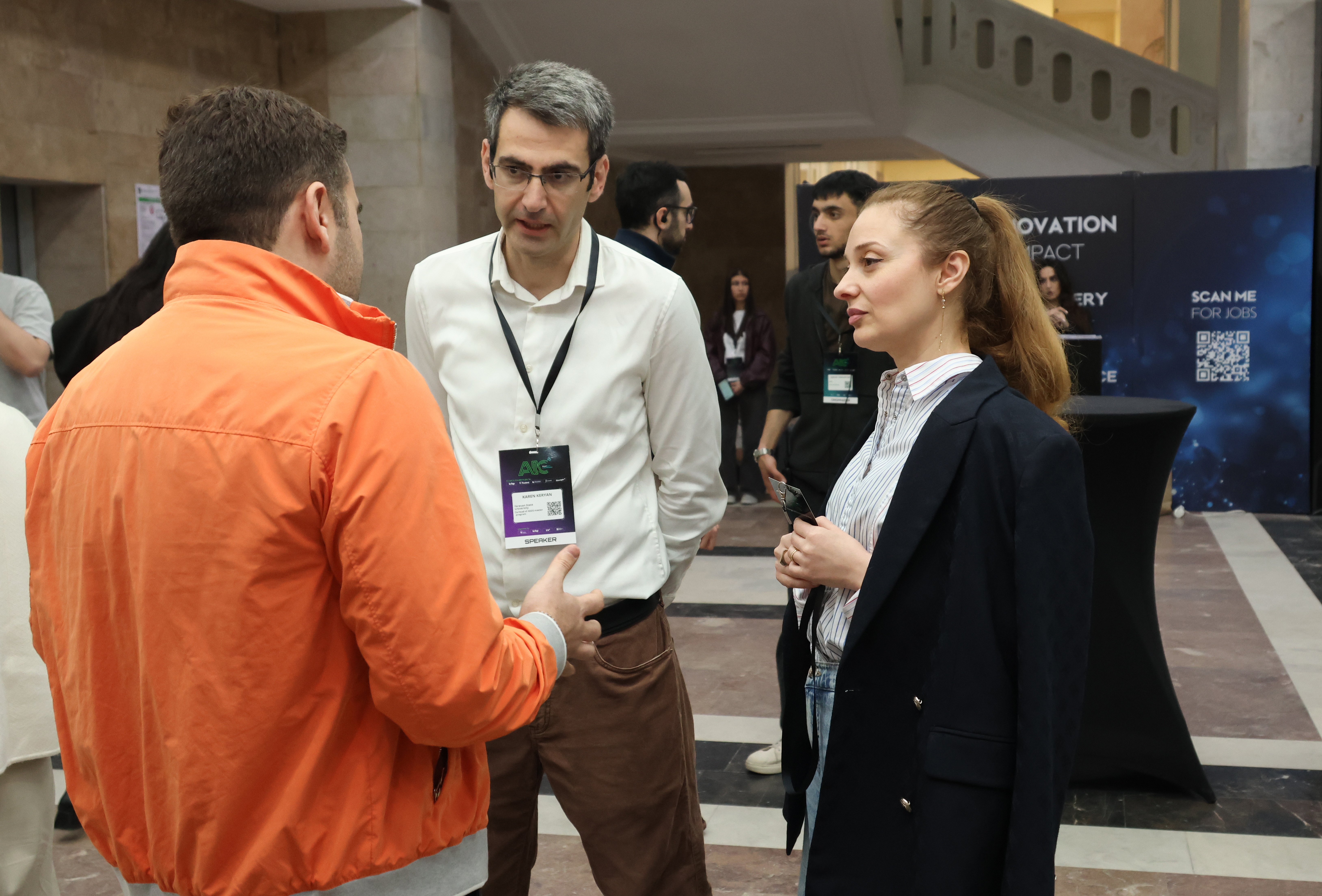
The conference featured panel discussions, as well as presentations by leading figures in the field, including Armen Aghajanyan, Founder of Perceptron; Hrant Khachatryan, Head of the YSU Machine Learning Group and Director of the YerevaNN; and Vahe Kuzoyan, Co-Founder and President of ServiceTitan, among others, who presented applications of AI ranging from molecules to voice technologies.
The event carried a clear message: Armenia has both the technical capacity and human potential to play a key role in the global AI revolution.