April 30, 2026 | 12:42
Science
Education
International cooperation
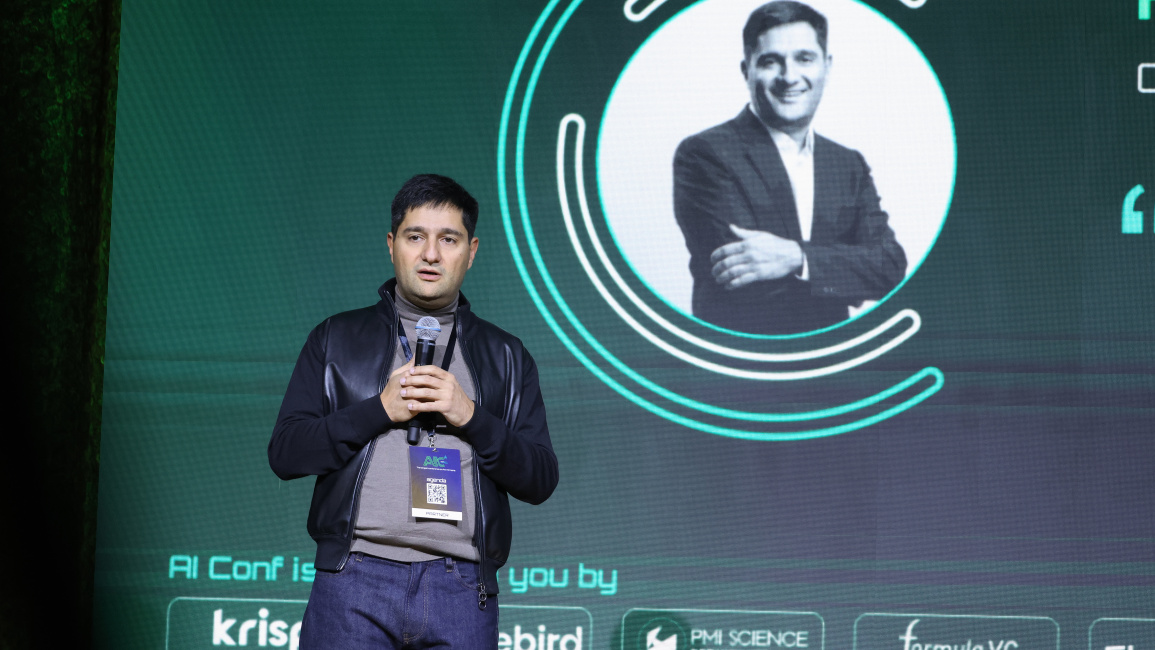
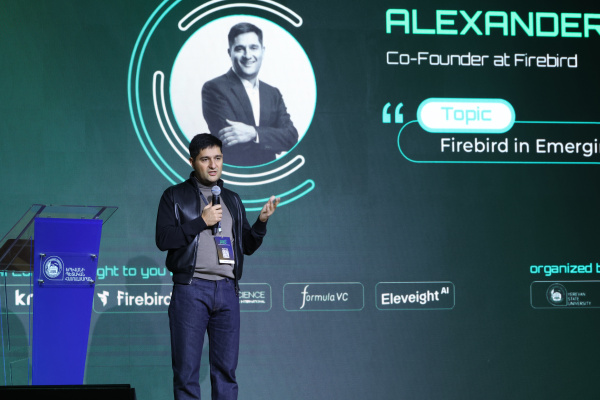
The initiative marks an important step in Armenia's technological development, enabling the creation of a national-level computing environment for the design, training, and deployment of AI systems. It also lays the groundwork for the parallel development of science, education, and innovation. Details of the program were presented at the AI Conf Armenia 2026 held at Yerevan State University by Firebird.ai Co-Founder Alexander Yesayan.
According to Yesayan, the program represents not only an investment in developing infrastructure but a comprehensive ecosystem shift that is already influencing Armenia's position in the global technology landscape.
From data center to national AI infrastructure
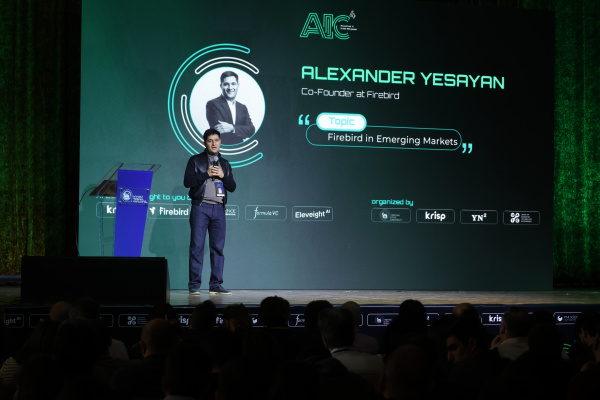
Yesayan noted that as recently as 2024, the idea of establishing a data processing center in Armenia was met with caution in international markets. Even amid existing demand, it was difficult to convince major technology companies to consider Armenia as a platform for such a project. At the time, the initiative was being discussed on a much smaller scale, lacking the partnership guarantees necessary for rapid implementation.
The situation changed significantly due to rapid developments in the field of AI. The global proliferation of large language models and their expanding applications sharply increased demand for high-performance computing resources. In this context, Armenia began to be viewed as a platform of new opportunity.
International cooperation drives rapid implementation
A key phase in the program's advancement involved the engagement of international partners. According to Yesayan, support from Silicon Valley partners made it possible to combine Armenia's professional expertise with global technological networks, as well as to secure access to high-performance graphics processing units (GPUs).
As a result of this collaboration, plans were announced in 2025 to build a computing cluster comprising 6,000 GPUs. Contractual and financial processes were completed within the same year. Construction of the data processing center began in January 2026, with the first phase scheduled to become operational in June.
Model of public-private partnership
An important component of the program is cooperation between the public and private sectors. Under an agreement with the Armenian Ministry of High-Tech Industry, the government is acquiring $25 million in computing resources from Firebird.ai over a five-year period, making them accessible to the country's scientific and technological community.
This initiative enables researchers, students, and technology companies in Armenia to operate within a world-class computing environment without reliance on foreign resources. It is particularly significant for universities, as it supports the development of AI education programs and promotes applied research.
Demand outpaces supply
International interest in the program is already substantial. Yesayan noted that while the initial challenge was to identify users for the computing resources, the situation has now reversed. Demand from various technology companies has already exceeded the planned capacity of the first phase several times over, underscoring the program's global relevance.
This development also indicates that Armenia is gradually becoming an active participant in global technological processes.
Positioning among leading countries
Future phases of the program envisage a significant expansion of computing infrastructure capacity. The goal is to reach a level at which Armenia ranks among the world's leading countries in terms of access to high-performance GPUs.
The development of infrastructure at this scale is a crucial step not only for technological progress but also for strengthening the country's international standing. It enhances Armenia's attractiveness to global partners and fosters new opportunities for collaboration.
Next phase of AI in physical world
According to Yesayan, the development of artificial intelligence in the coming years will move beyond software environments into the physical world. Based on forecasts by international partners, the widespread use of robots in everyday life could become a reality in the near future, implying continued growth in demand for computing power.
In this context, the establishment of such infrastructure in Armenia is viewed as a timely and strategic move.