May 06, 2026 | 11:25
Science
Education
Research centers and institutes
Non-formal educational platform offering new opportunities
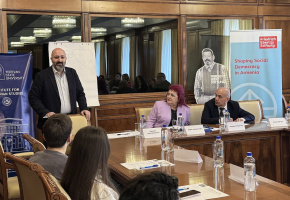
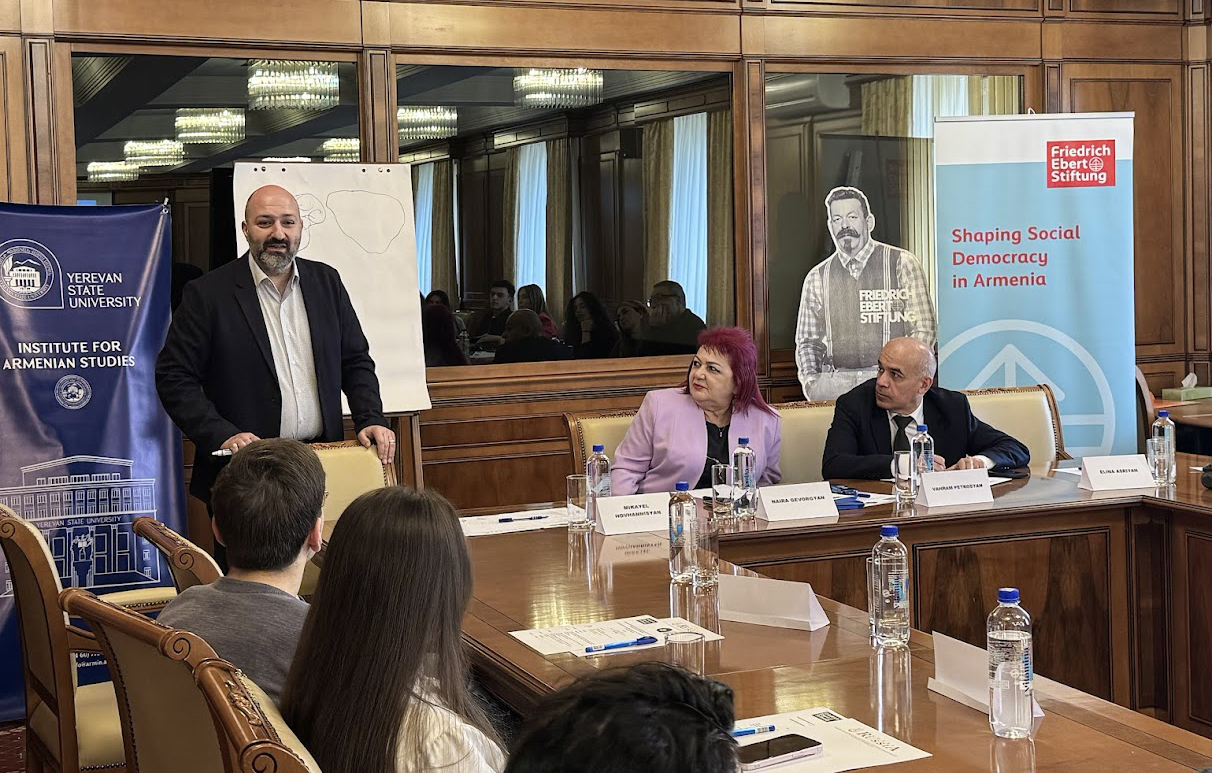
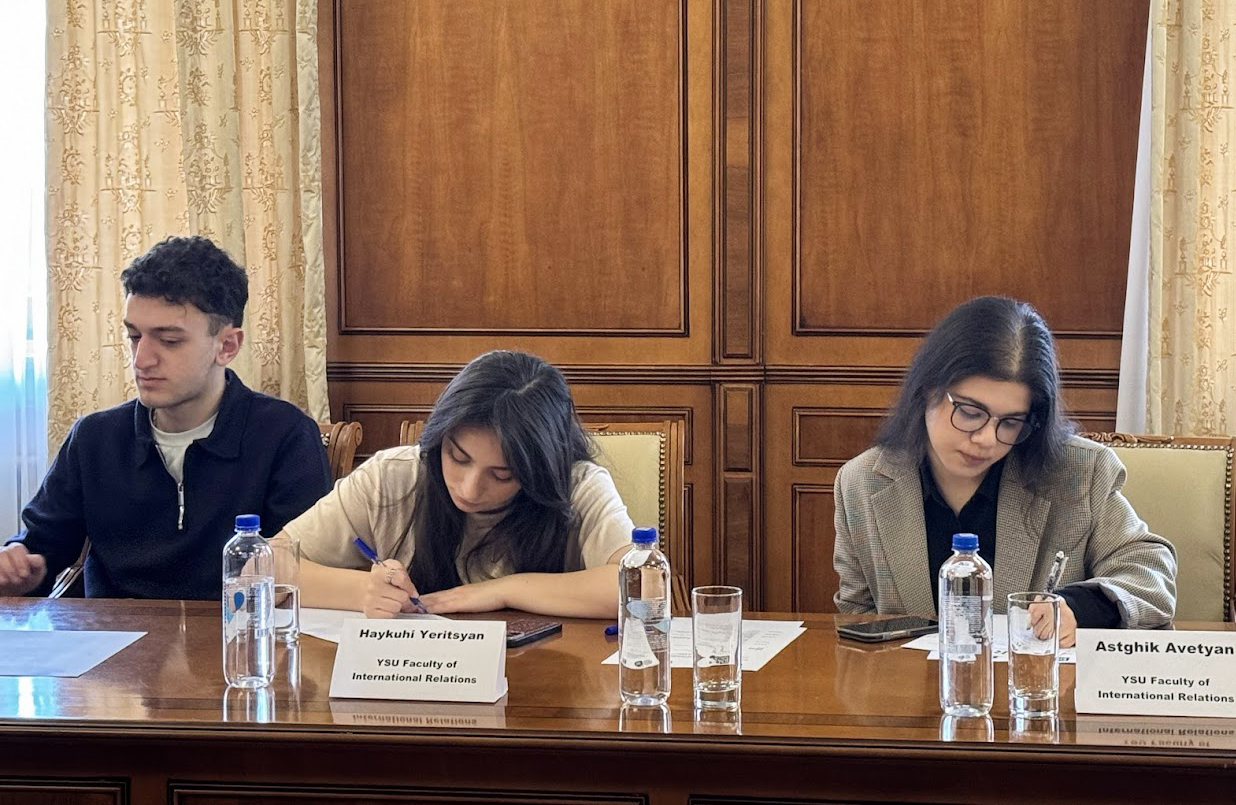
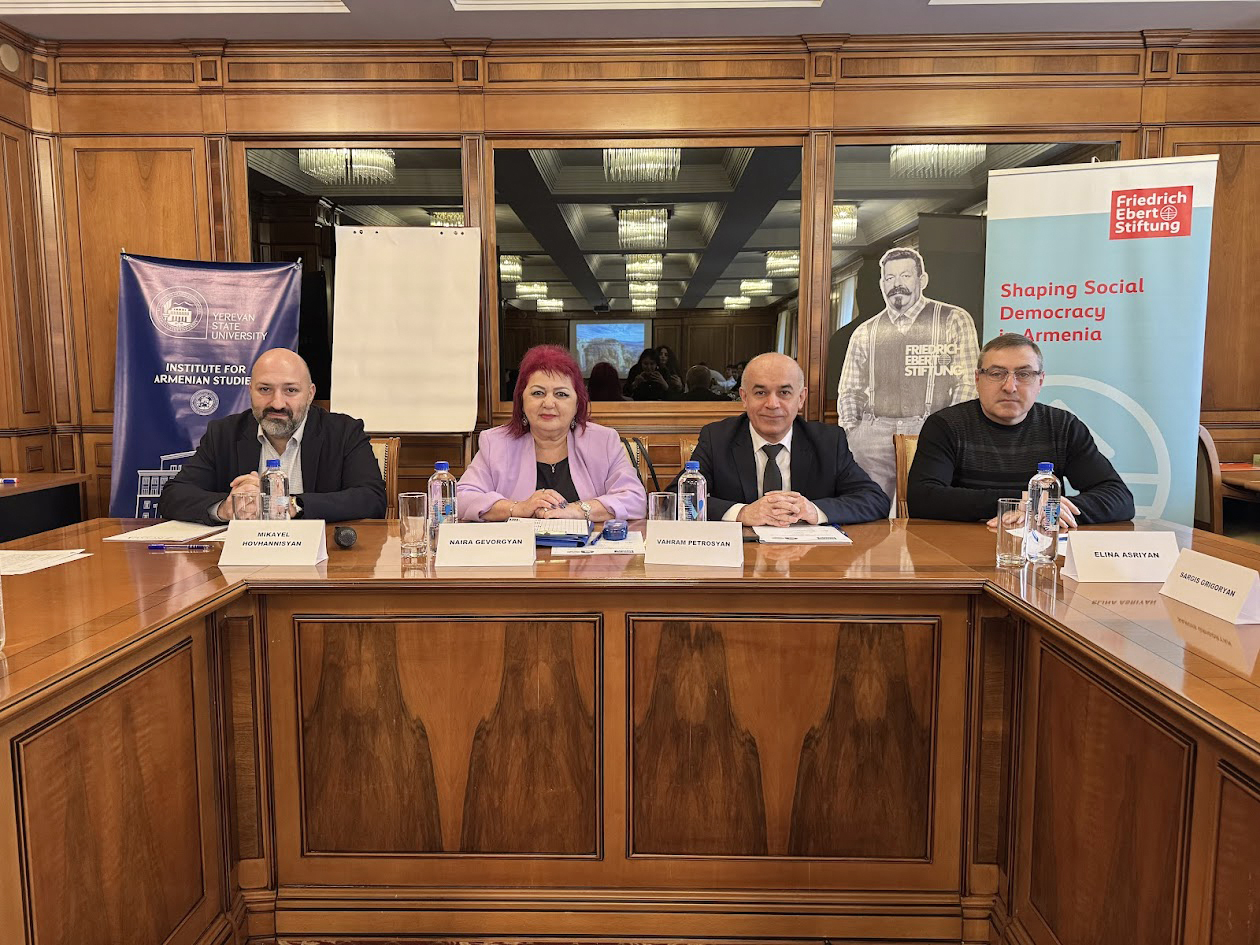
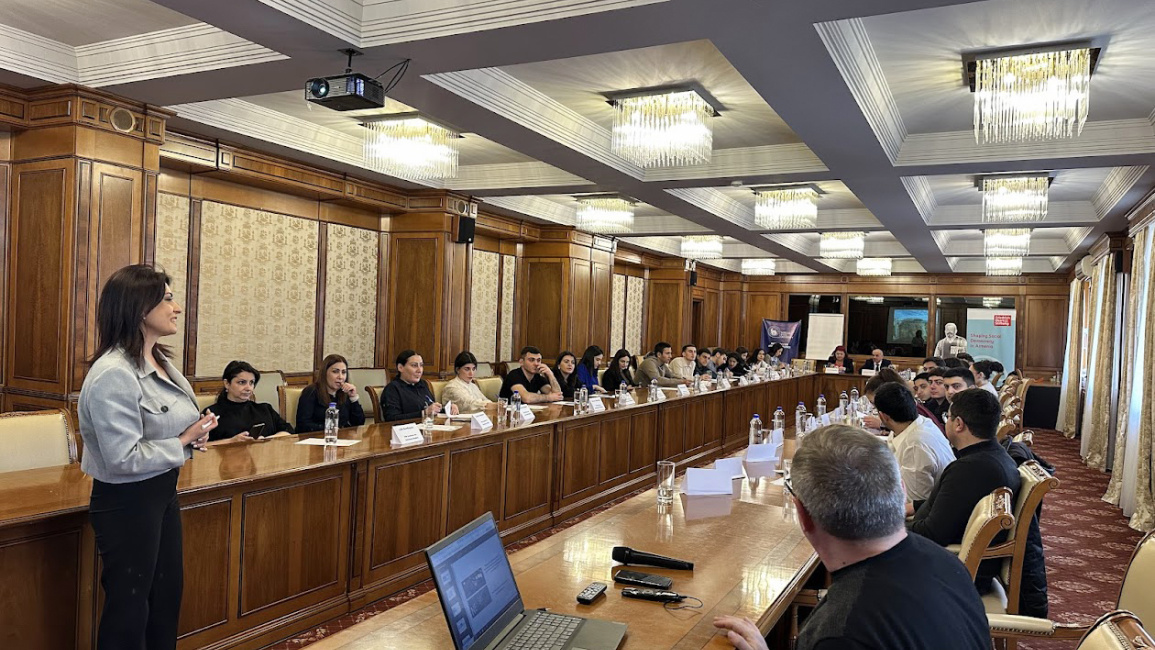
The course, which can also be viewed as a spring-summer school for Armenian studies, brings together second- and third-year bachelor's students, first-year master's students, doctoral candidates and young professionals from universities across Armenia. It aims to promote non-formal education as a complementary platform that deepens participants' academic knowledge while broadening their horizons and enhancing their analytical skills.
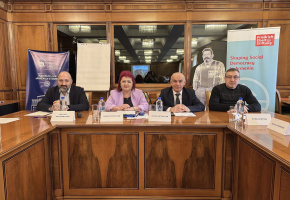
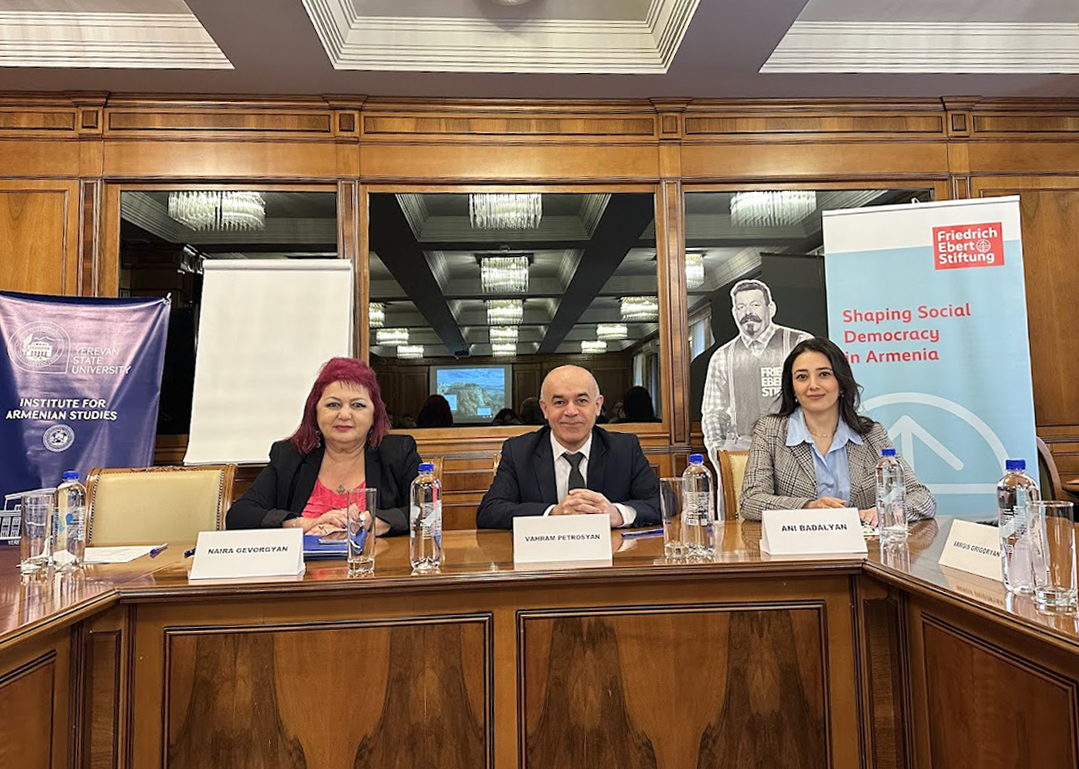
According to Vahram Petrosyan, Director of the YSU Institute for Armenian Studies, the format of the course is designed to identify unique methods capable of complementing traditional education by creating an intellectual environment in which theoretical knowledge is directly connected to real political and social processes. To achieve this goal, the program features leading specialists from Armenia and abroad, who present current issues related to Armenia's domestic and foreign policy within the context of European values and international developments.
Competitive selection and diverse professional environment
According to Petrosyan, interest in the course continues to grow each year.
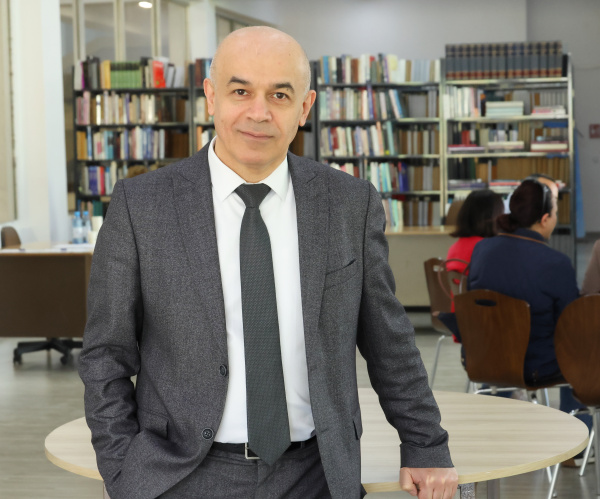
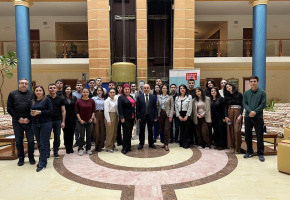
"This year, we received around 360 applications for just 25 places. Following the preliminary selection stage, 210 applicants advanced to interviews, and 30 participants were ultimately selected," he said.
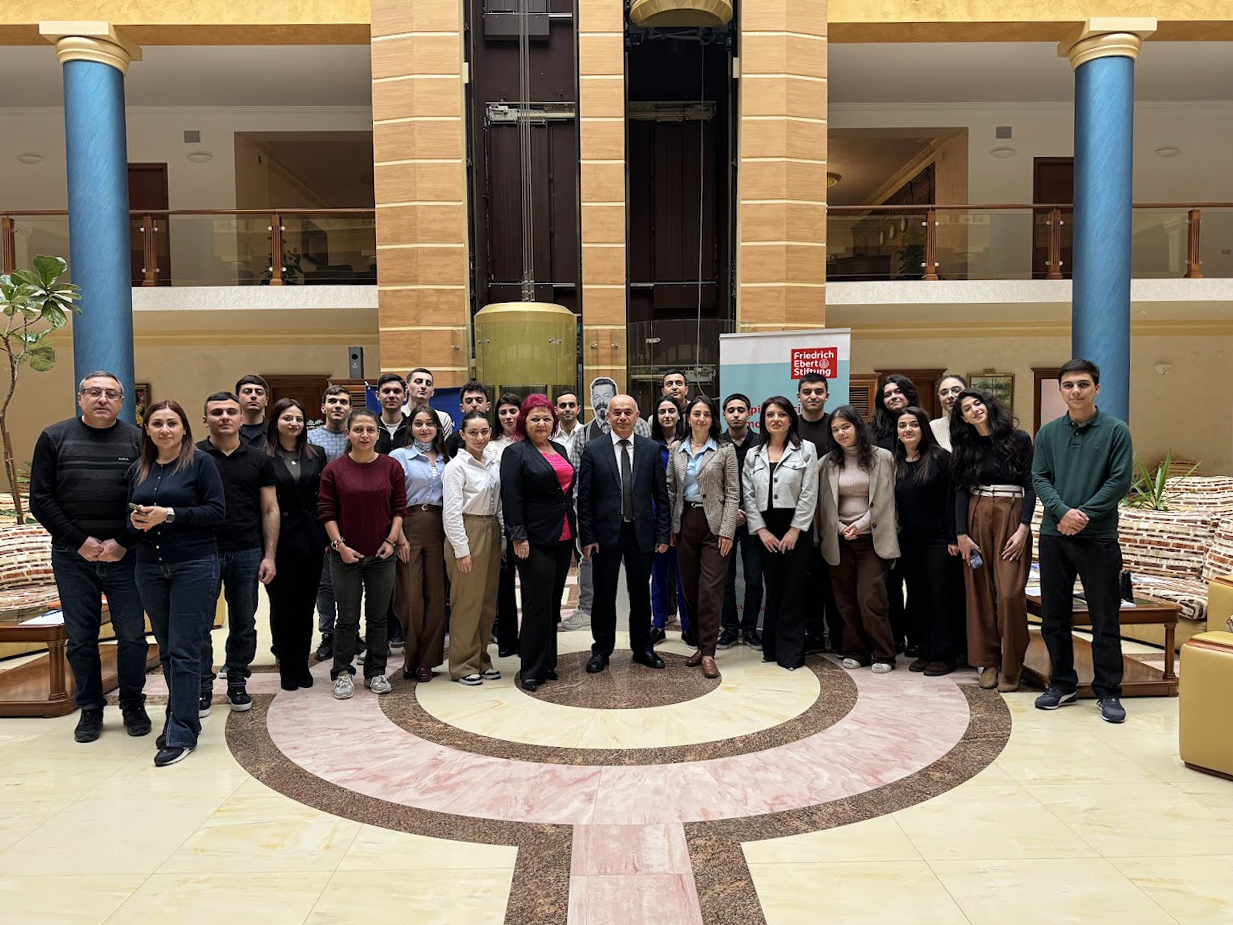
The participants represent a wide geographic and professional diversity, including students from Yerevan State University, Brusov State University, the National University of Architecture and Construction of Armenia, the American University of Armenia and Shirak State University.
One of the program's distinguishing features is its deliberate formation of multidisciplinary teams. International relations specialists, lawyers, sociologists, historians and representatives of other professions are grouped together to collaborate and present collective research projects at the end of the course. This approach promotes a culture of cooperation by overcoming professional isolation and encouraging interdisciplinary thinking.
Content-rich lectures and expert participation
The first day of the course was marked by high-level professional discussions.
YSU Vice-Rector for International Cooperation, Development and Innovation Mikayel Hovhannisyan delivered a lecture titled "Key Phases of EU Engagement in the South Caucasus and Armenia: Chronology of EU–Armenia Relations." His presentation stood out for its in-depth analysis, covering the development of EU-Armenia relations, legal and contractual foundations, diplomatic mechanisms and the influence of regional actors.
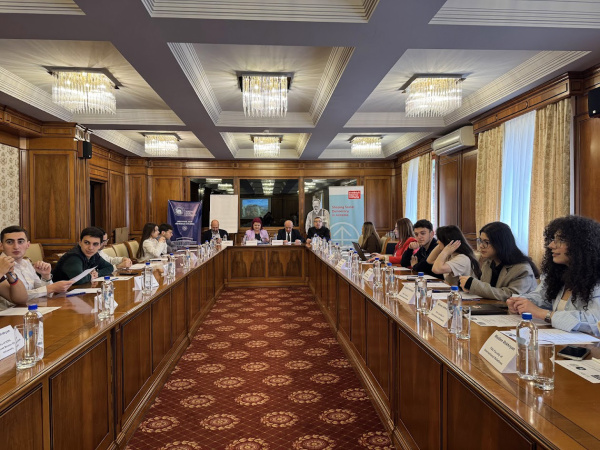
YSU Vice-Rector for Academic Affairs Elina Asriyan, Doctor of Psychological Sciences, addressed the psychological factors involved in shaping a country's foreign policy image, combining theoretical frameworks with practical examples. Her lecture helped students better understand how public perceptions are formed and how the main mechanisms of political communication operate.
Armenian Deputy Minister of Internal Affairs Armen Ghazaryan also participated in the course, presenting migration-related issues within the context of Armenia's foreign policy while emphasizing institutional challenges and development opportunities.
From diplomacy to media — on one platform
The second day of the course focused on the relationship between diplomacy and media.
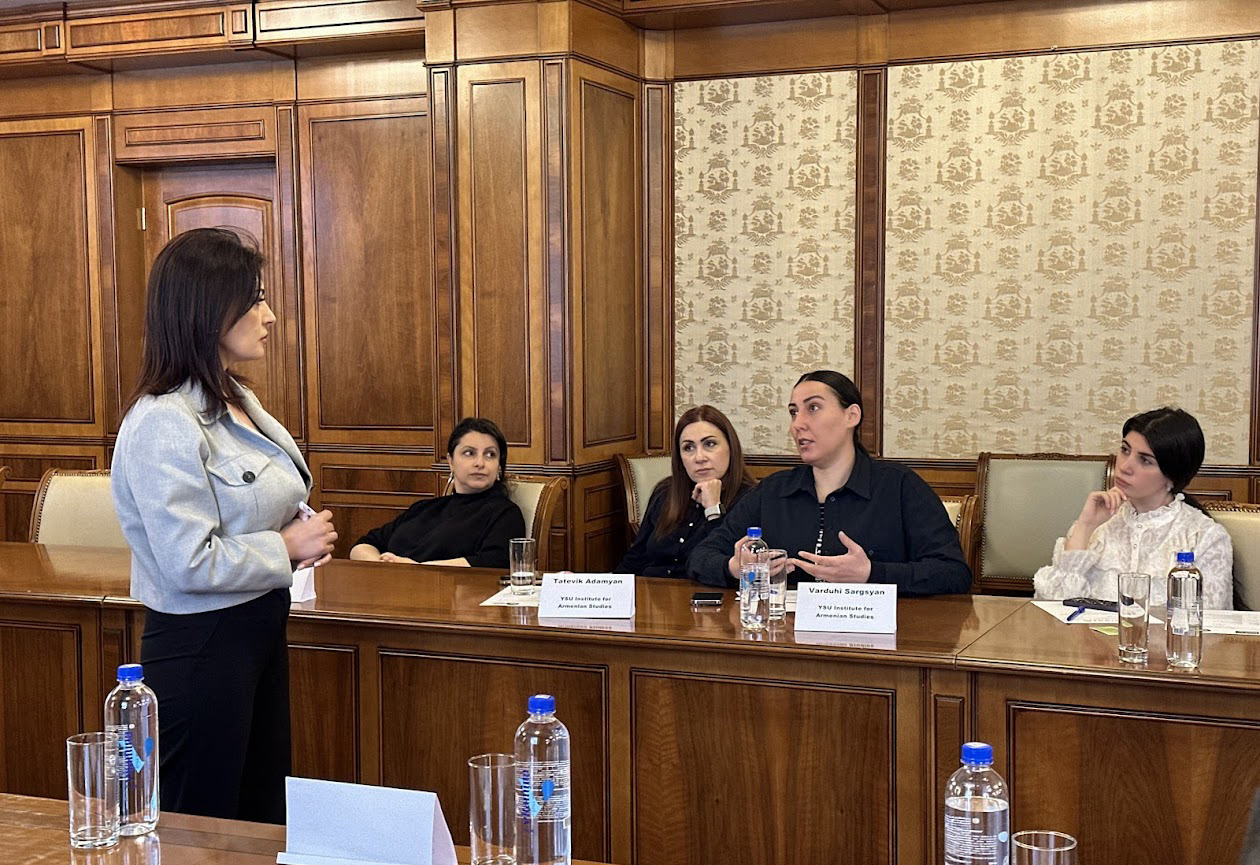
Foreign Ministry spokesperson Ani Badalyan presented Armenia's foreign policy priorities, the specifics of bilateral and multilateral relations, and regional developments, including the Armenia-Azerbaijan peace agenda and the normalization process between Armenia and Turkey.
Kristine Alagulyan, political commentator for Shant TV, discussed media coverage of the same processes, revealing the behind-the-scenes aspects of journalistic work and the mechanisms behind the formation of media messages. This combination helped students to interpret the same events from both diplomatic and media perspectives.
From knowledge to professional opportunities
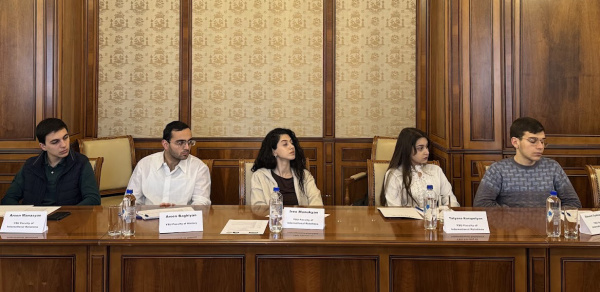
The course serves not only as an educational initiative, but also as a professional platform. Over the past four years, around 10 percent of the more than 200 young people who have participated in the program have received job offers from various institutions, demonstrating the initiative's practical value. Direct interaction with speakers, active discussions and question-and-answer sessions often evolve into opportunities for future cooperation.
Feedback is also given a central role. Surveys conducted after each session help improve both the content and format of the course, taking into account participants' expectations and suggestions. The atmosphere of trust within the program encourages open and sincere dialogue, creating an environment in which lecturers and students interact as partners.
Building collaborative culture
One of the most important outcomes of the course is the connections formed among students from different faculties. In an environment where traditional classroom boundaries are removed, students become active participants, engaging in discussions, teamwork and intellectual collaboration. This cooperation often continues beyond the course itself, becoming the basis for new ideas and initiatives.