May 25, 2026 | 15:38
Conferences
Research
International cooperation
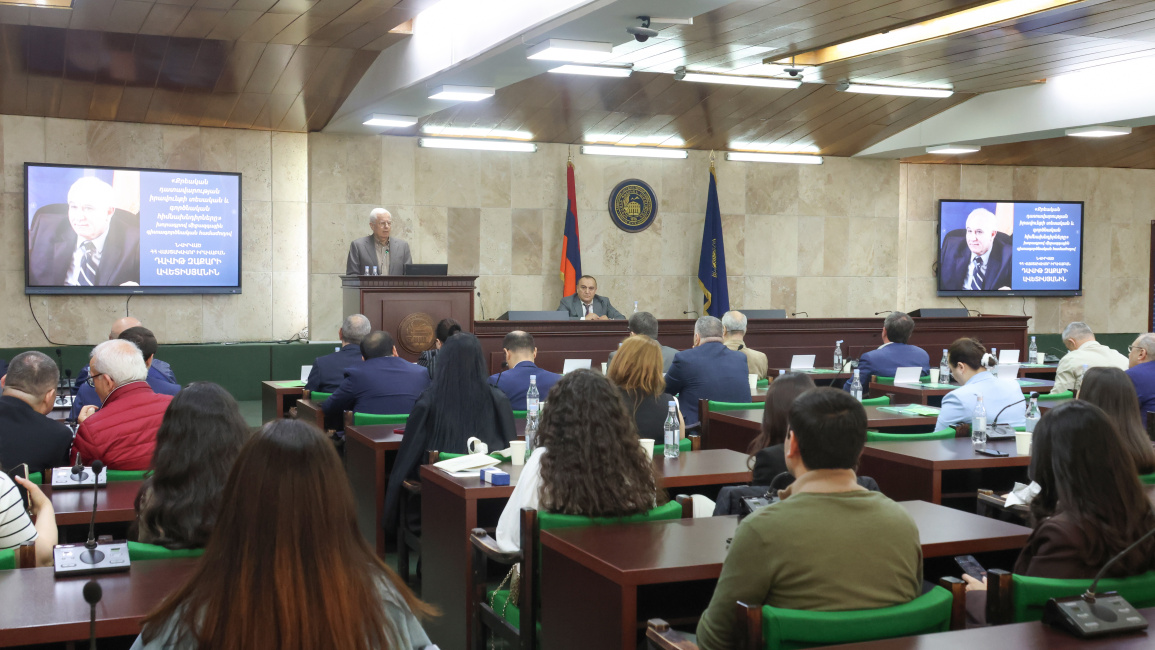
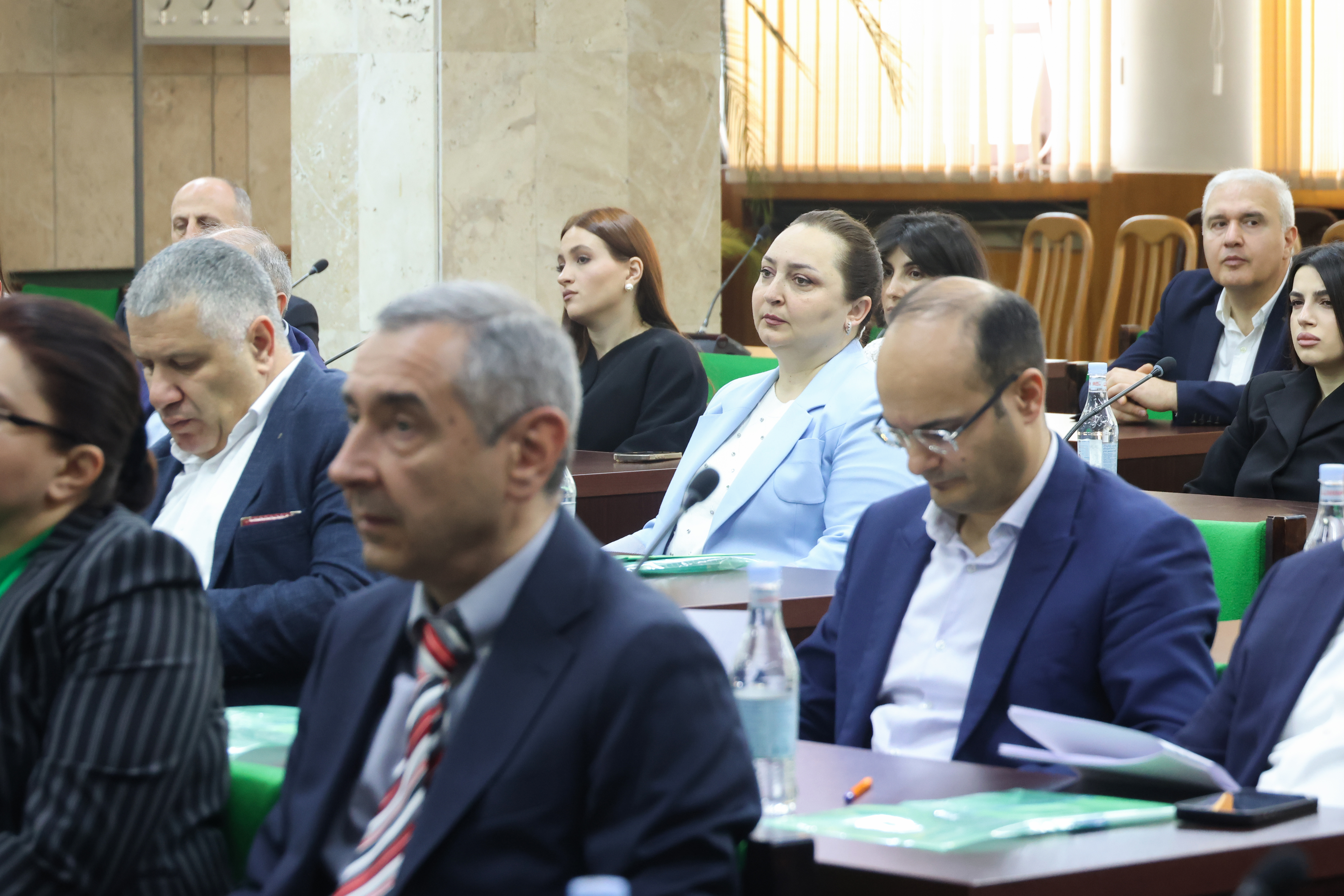
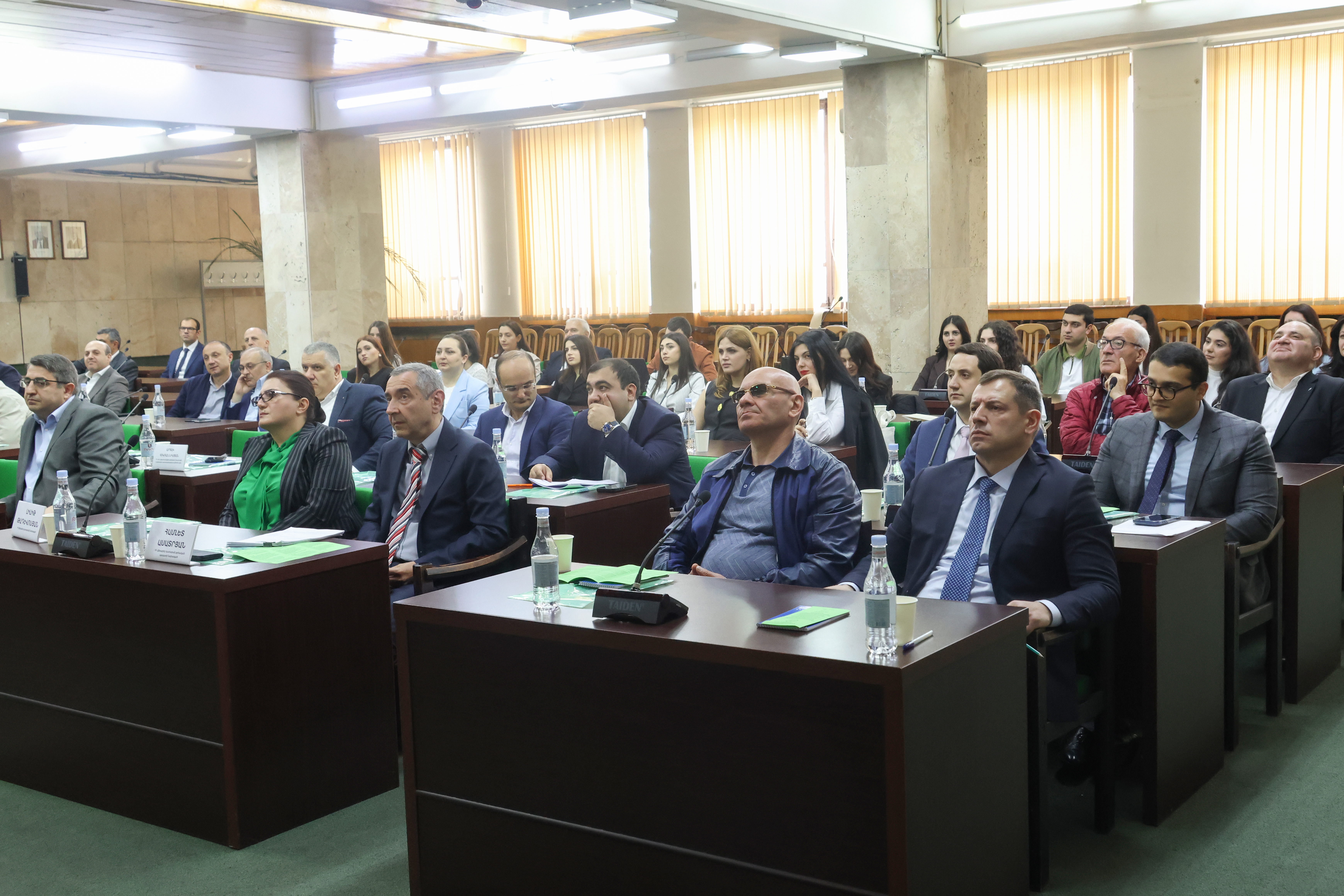
The conference addressed current issues in modern legal doctrine and law enforcement practice, innovations in criminal procedure legislation, and priorities for the development of the legal system.
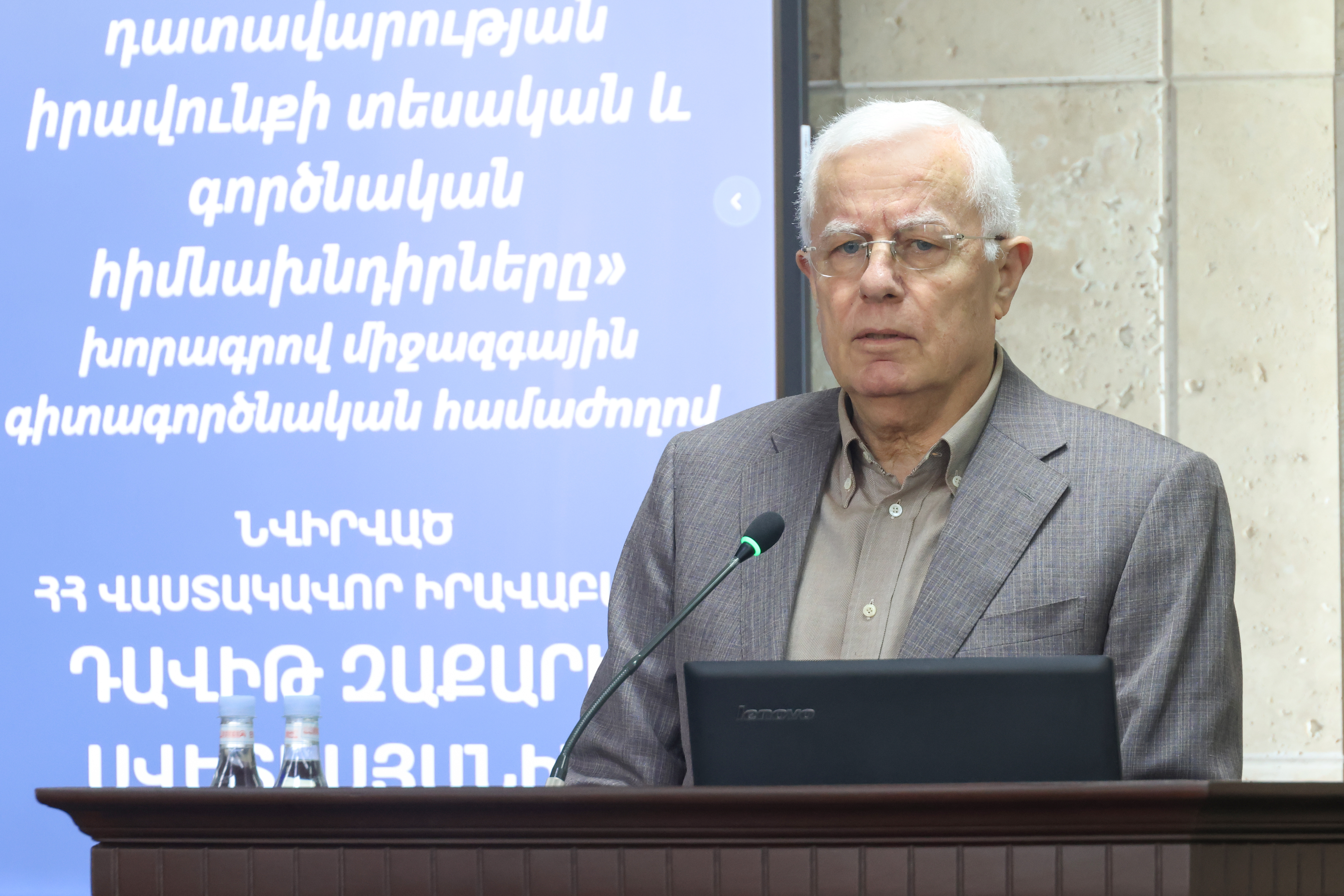
Head of the Chair of Criminal Procedure and Criminalistics at YSU, Samvel Dilbandyan, noted that the chair's annual conferences are dedicated to senior colleagues who have played a significant role in the development of criminal procedure and criminalistics.
Dean of the YSU Faculty of Law Harutyun Khachikyan emphasized the importance of such platforms in bridging field theory and practice, noting that academic research often does not reflect the realities of legal practice. He also highly praised Davit Avetisyan's role in the origins of the Criminal Procedure Code.
Davit Avetisyan: scholar, judge and writer
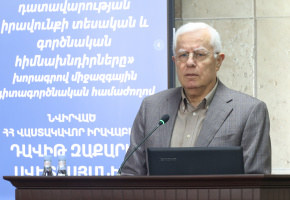
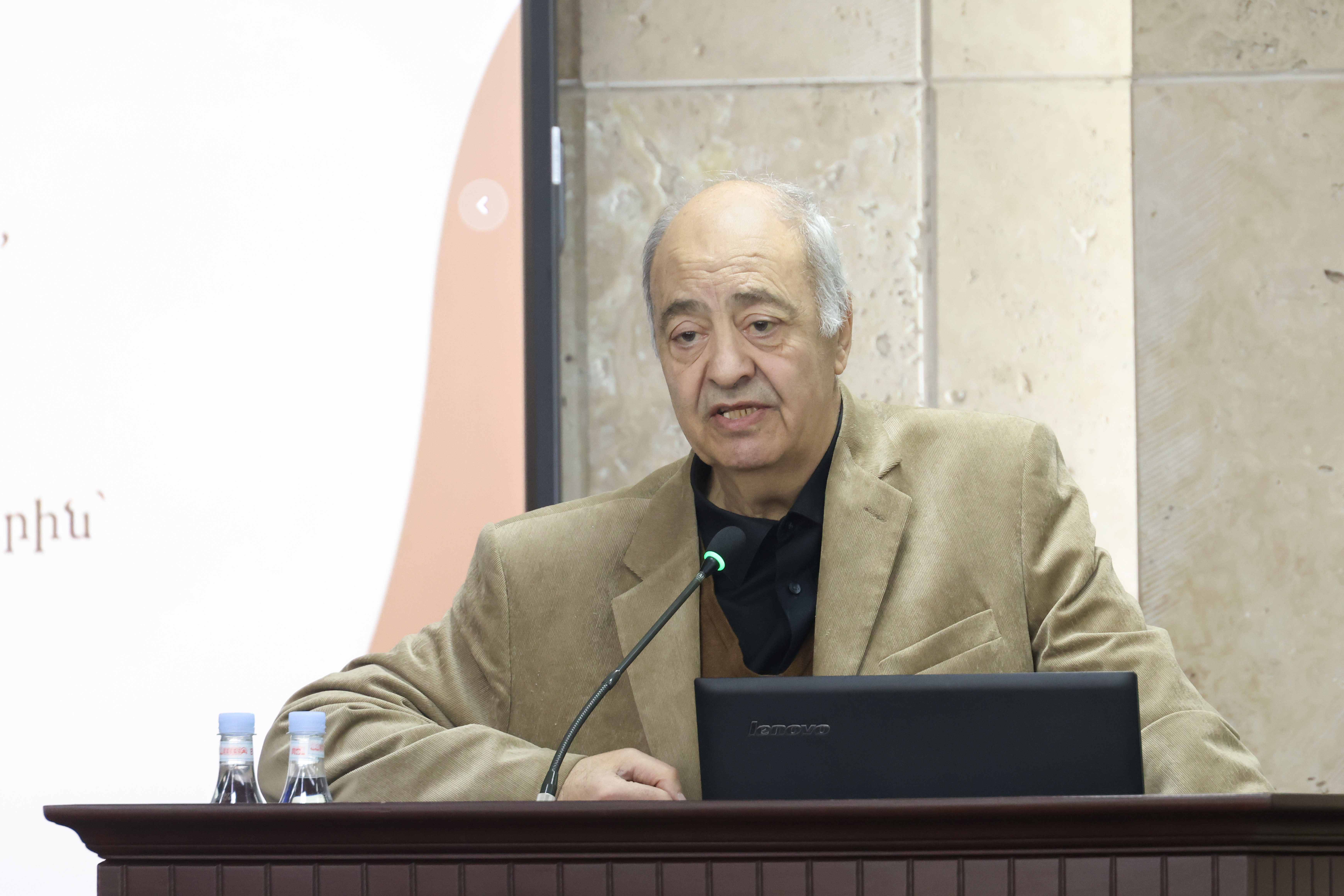
Professor Gagik Ghazinyan described Davit Avetisyan as an exceptional figure who combined the qualities of a theorist, lawyer and intellectual. He recalled Avetisyan's principled stance while serving as chairman of a chamber of the Court of Cassation, where he categorically rejected any outside influence on judicial decisions.
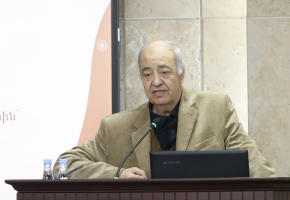
Chairman of the Writers' Union of Armenia Edward Militonyan spoke about Avetisyan's human qualities and literary legacy. He noted that Avetisyan's poems and short stories were imbued with patriotism and humanity, while his legal education helped him accurately perceive the complexities of life.
Professional reports: issues in criminal prosecution
During the scientific session, Gevorg Baghdasaryan, Assistant Professor at the Chair of Criminal Procedure and Criminalistics, delivered a report on several practical issues related to initiating public criminal prosecution.
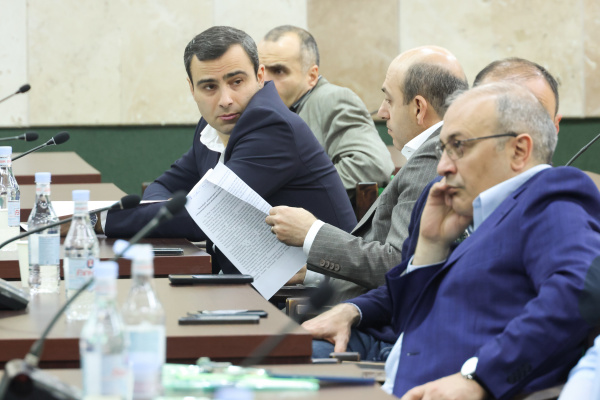
Baghdasaryan emphasized that one of the disputed issues concerns the evidentiary threshold required for a prosecutor to initiate criminal prosecution. He reviewed the historical evolution of the issue, stressing that criminal prosecution cannot be based solely on intuition.
"If there are equal suspicions regarding several individuals, prosecution cannot be initiated against all of them. Just as facts cannot exist without evidence, the basis for prosecution must be a degree of conviction sufficient to formulate a specific accusation," he said.
One of the key points of Baghdasaryan's presentation concerned the diminished role of investigators. He stated that investigators, who directly uncover factual circumstances, are effectively excluded from the decision to initiate prosecution because it is considered the prosecutor's exclusive authority. According to him, a 2022 directive issued by the prosecutor general established that investigators' objections to the rejection of motions to initiate prosecution are not subject to review, which he argued directly contradicts the Criminal Procedure Code.
"This creates a situation in which the prosecutor holds a monopoly over prosecution, while the final document — the indictment — must still be drafted by the investigator, even if the investigator disagrees with the prosecution," he said.
Baghdasaryan concluded by stating that the prosecutor's authority over criminal charges should not result in the complete exclusion of investigators from substantive participation in the process.
The report was prepared jointly with Professor Gagik Ghazinyan from the Chair of Criminal Procedure and Criminalistics.
Landmark shifts in case law
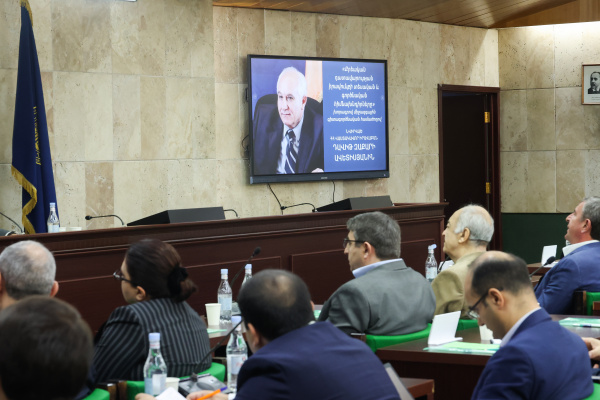
Hamlet Asatryan, Chairman of the Criminal Chamber of the Court of Cassation, presented several rulings issued during Davit Avetisyan's tenure that significantly changed Armenia's legal landscape.
In one case, "reasonable suspicion" was established as a mandatory prerequisite for detention. Another ruling introduced the requirement that a wanted individual be brought before a court within 72 hours of being located. Another decision abolished the restriction limiting the use of bail to cases involving minor and medium-gravity crimes, establishing that bail may be used regardless of the severity of the offense.
Asatryan also referred to another landmark ruling: "Relying on European standards, the Court of Cassation effectively abolished the concept of 'administrative detention,' recognizing that a person subjected to such punishment is, in reality, undergoing criminal prosecution."
Status of detained person under new Criminal Procedure Code
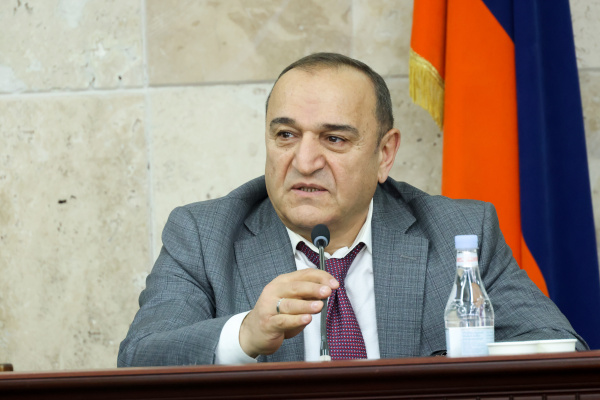
In his professional report, Samvel Dilbandyan also analyzed amendments introduced in the new Criminal Procedure Code. He noted that the new code abandoned the previous division between the prosecution and defense sides, instead classifying participants as public or private actors based on the interests they pursue.
Dilbandyan pointed out that the new code no longer includes the procedural status of "suspect" and instead introduces the concept of a "detained person." According to him, the terminology itself is not essential; the key issue is the protection of rights.
He stressed that under the code, a detained person is accorded virtually all the rights of an accused person six hours after detention. The speaker stated that even in the absence of a formal decision to initiate criminal prosecution, a detained person is effectively subjected to prosecution, which, he said, is consistent with the case law of the European Court.
During his remarks, Dilbandyan also underscored the importance of prosecutor-investigator relations in initiating criminal prosecutions, noting that the institution has become a "bone of contention" between the two sides.
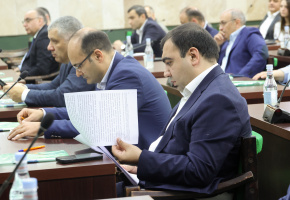
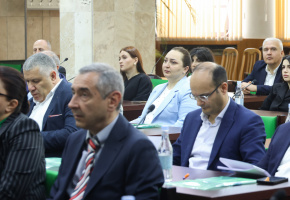
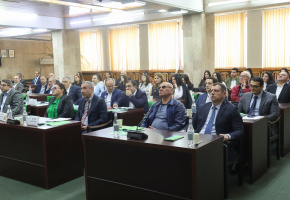
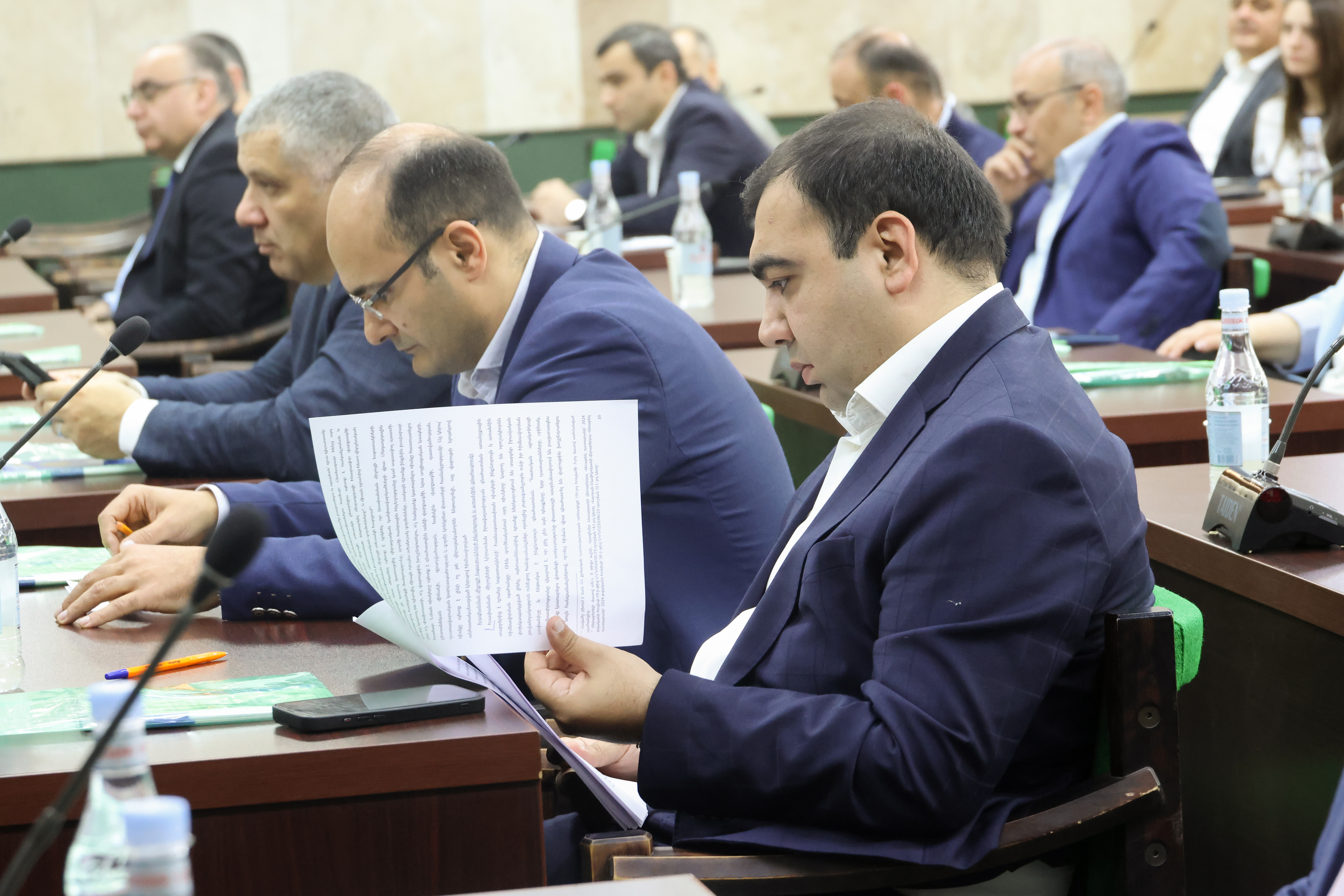
Among the attendees at the conference were representatives of the Court of Cassation, the Prosecutor General's Office, the Anti-Corruption Committee and the Investigative Committee, alongside members of the Chamber of Advocates, lecturers of the YSU Faculty of Law, representatives of other universities in Armenia, and legal scholars from various universities in the Russian Federation, who also delivered presentations.