July 01, 2026 | 12:12
Volunteering, practice and internship
International cooperation
Student
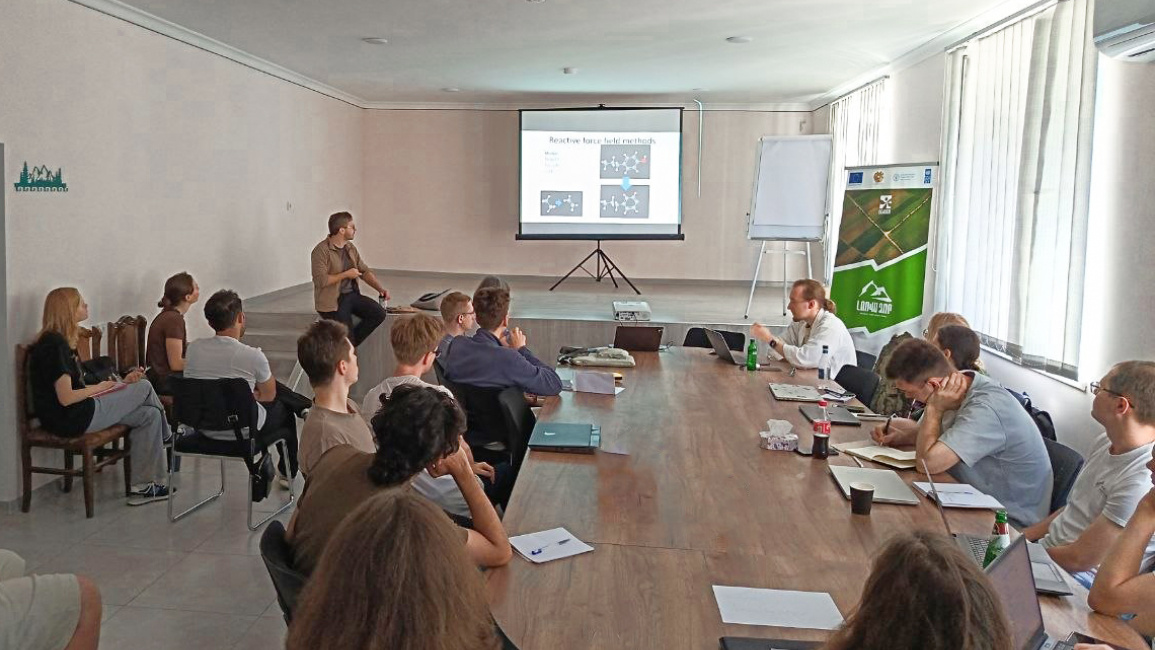
The summer workshop aims to move online communication among scientists and students on social platforms and in professional groups into a real-life setting.
"Scientists and students are constantly communicating online on social and professional platforms, such as Facebook, ResearchGate and others, and discussing theoretical issues. This summer school aims to transfer online scientific communication to a real platform for cooperation, ensuring more effective discussions and joint work," said Olgert Dallakyan, a member of the summer school's organizing team and junior researcher at the Computational Materials Science Laboratory of the Research Institute of Physics.
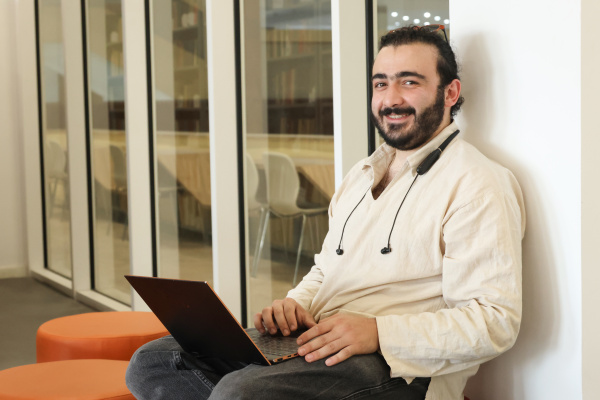
He noted that 10 scientists from YSU and abroad are participating in the summer school, including from Germany, Poland, Israel and Russia. The invited speakers represent the German Electron Synchrotron, one of Germany's largest research centers, the Nesmeyanov Institute of Organoelement Compounds of the Russian Academy of Sciences, the Weizmann Institute of Science and Nicolaus Copernicus University.
According to Dallakyan, 20 students specializing in physical chemistry, theoretical physics and modeling techniques registered to join the camp.
"Seven of them are from YSU, representing the Faculty of Chemistry and the Institute of Physics, while the remaining 13 are from foreign universities, including Moscow State University, the Technical University of Munich, St. Petersburg Academic University and others," he said.
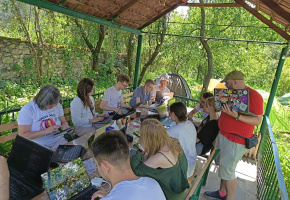
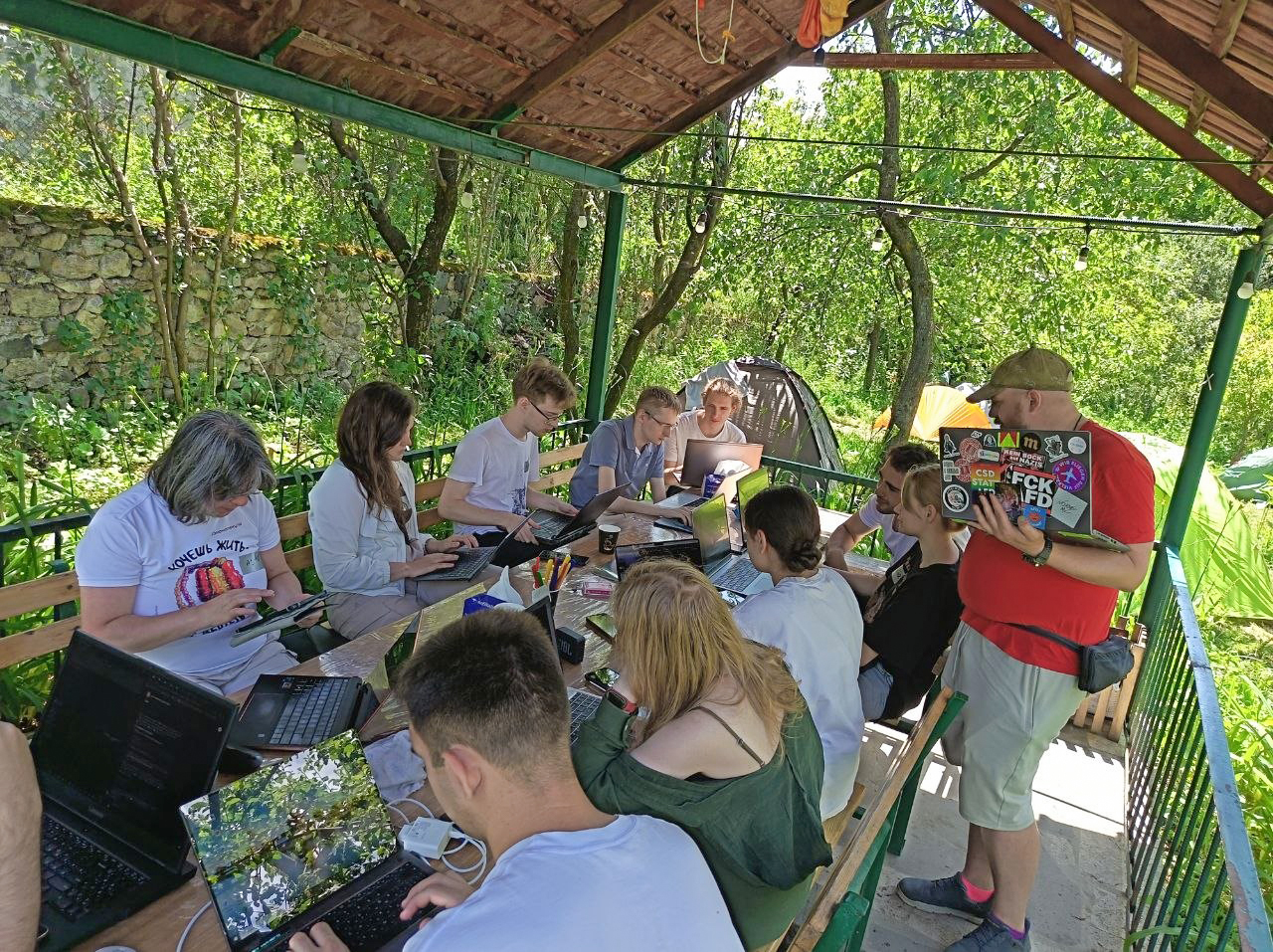
The workshop has a full five-day schedule and consists of two main parts: a classical conference, where scientists present their current research and the latest scientific developments, and intensive workshops. The key areas of the program include molecular dynamics, conformational analysis and multireference calculations.
Dallakyan said the students will be divided into groups and will work in different areas each day through a rotation mechanism.
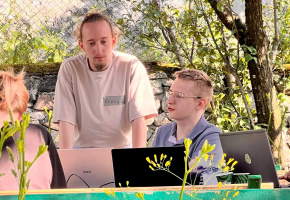
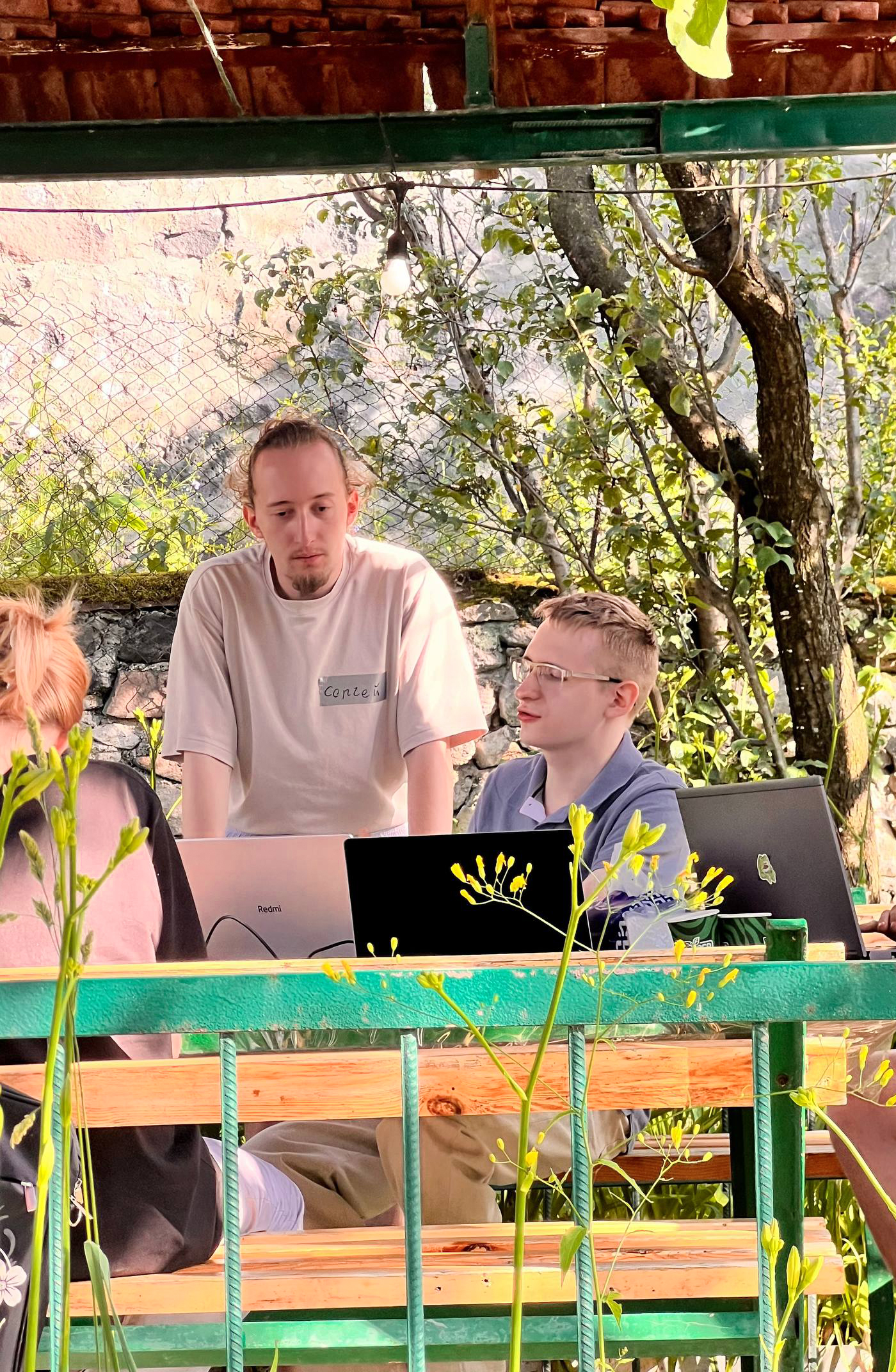
"Participants will work on their own computers, while the organizers will provide access to special computational resources," he said.
The camp will conclude with a scientific hackathon. On the final day, students will compete in groups to solve a complex modeling problem set by the organizers quickly and effectively by applying the new skills they have acquired. A poster session will also be organized, during which students will present their own research projects.
The project was funded under the scientific events grant program of the Higher Education and Science Committee of Armenia.
The summer school-workshop will conclude on July 3.