August 10, 2026 | 12:12
Science
Partners
International cooperation
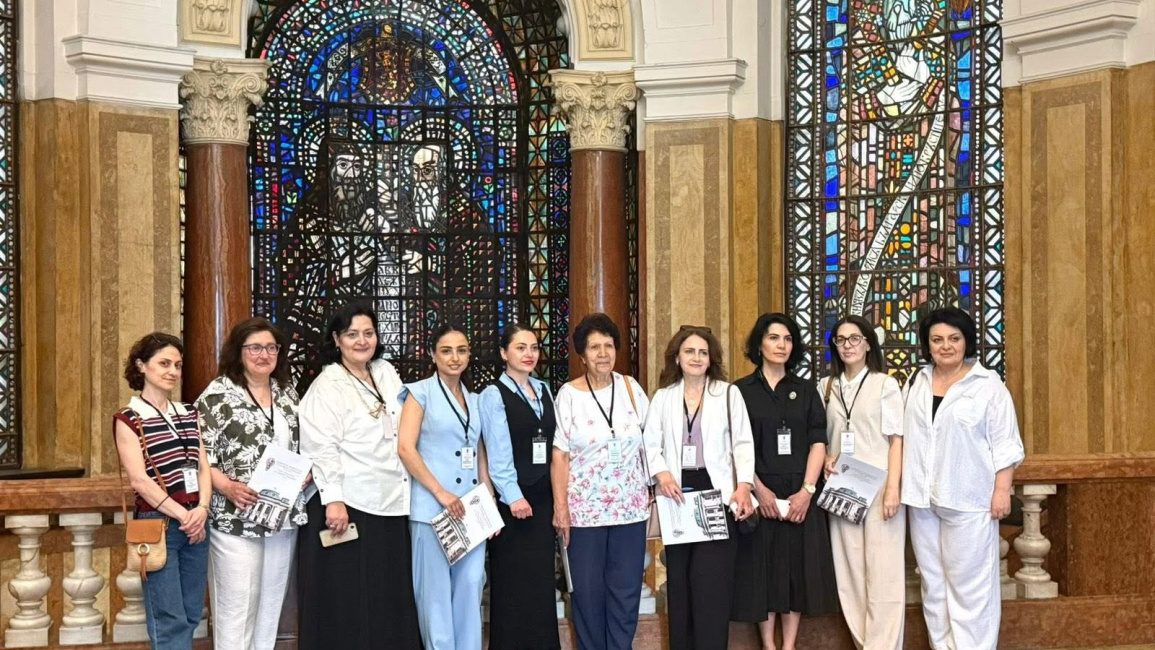
Dedicated to the 30th anniversary of the Armenian and Caucasian Studies academic program at the Faculty of Classical and Modern Philology of Sofia University, the conference brought together more than 100 scholars, researchers, PhD students and students from Armenia, Bulgaria, France, Germany, Italy, Austria, Hungary, the United States and Russia, who presented more than 90 research papers.
Armenian studies center where Armenian continues to be heard
One of the notable features of the conference was its multilingual format, with presentations delivered in Armenian, English, Bulgarian and Russian. At the same time, the organizers considered it important for Armenian to be heard as often as possible throughout the conference.
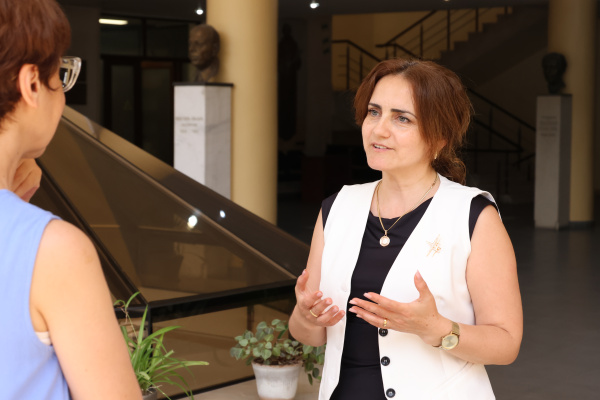
This is particularly significant because most students in the Armenian studies department at Sofia University are Bulgarians who begin learning Armenian from scratch. Conferences of this kind give them an opportunity not only to hear Armenian spoken, but also to communicate directly with leading specialists from Armenia, become familiar with contemporary research in Armenian studies and broaden their professional interests.
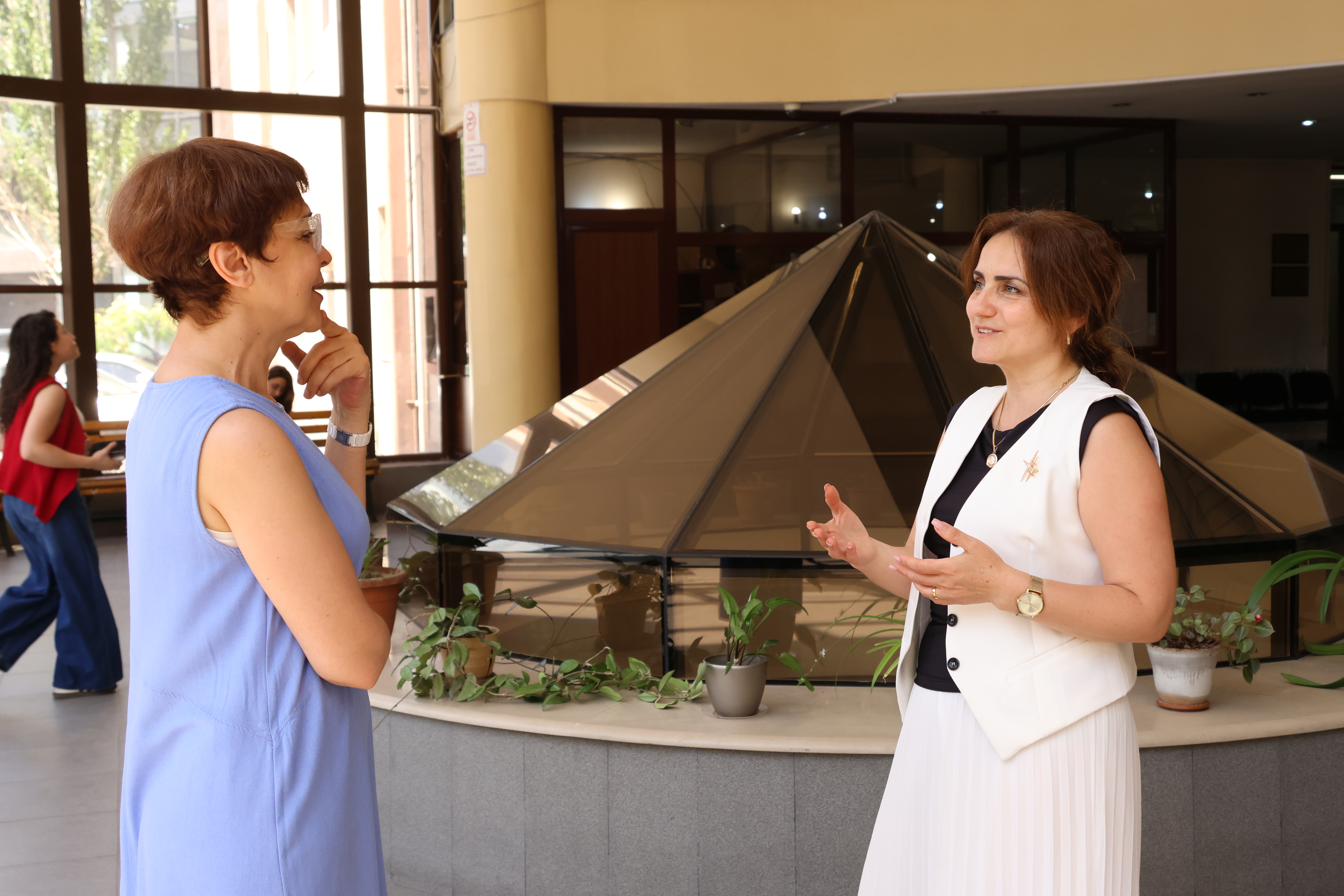
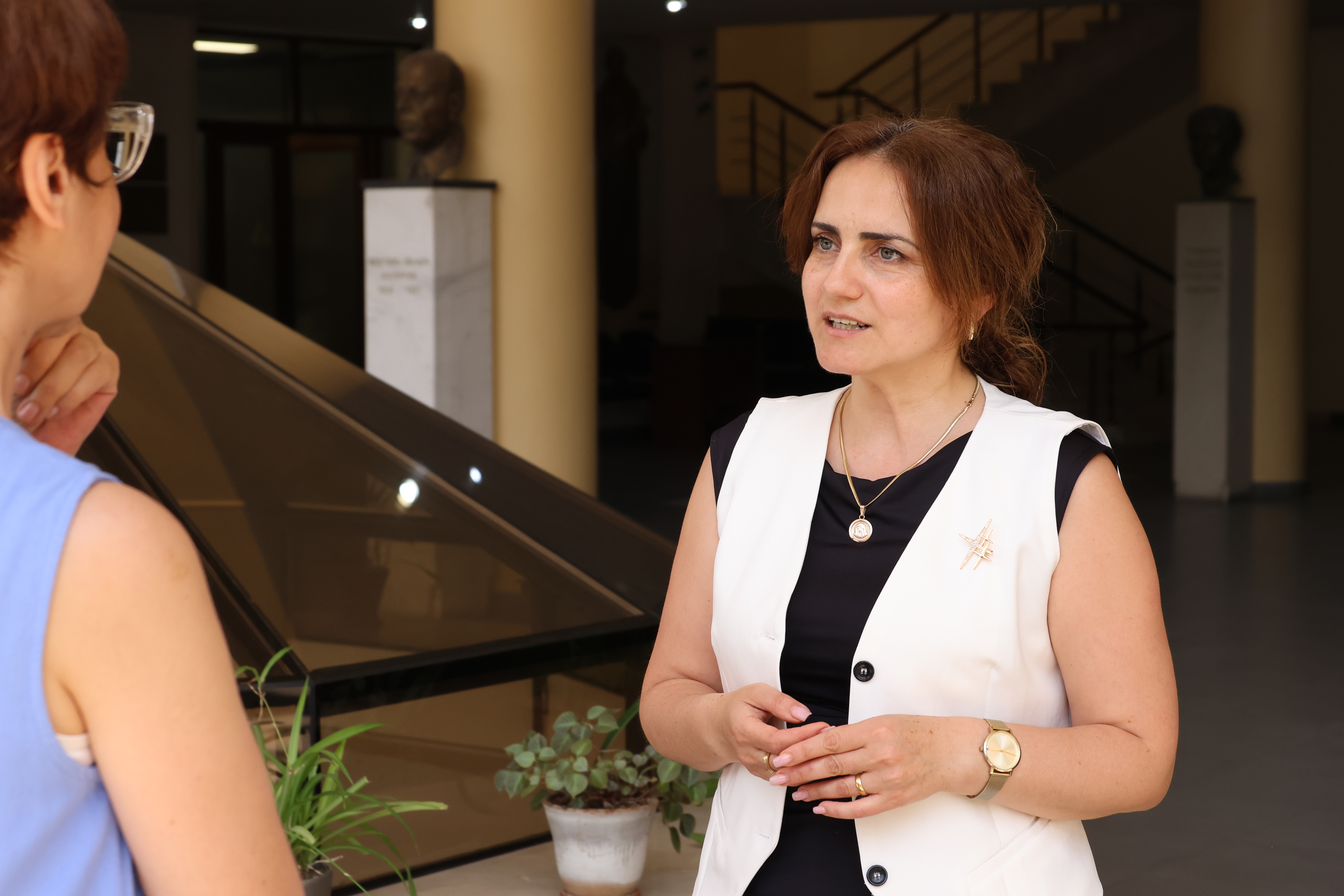
"Being at a center for Armenian studies outside Armenia is an entirely different experience. It is an opportunity not only to present our research, but also to witness the dedication with which Armenian studies is preserved and developed in other countries. Meetings like these also lay the groundwork for new cooperation," said YSU Associate Professor Nvard Vardanyan.
YSU as active participant in international scholarly dialogue
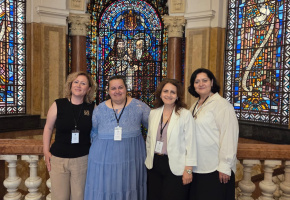
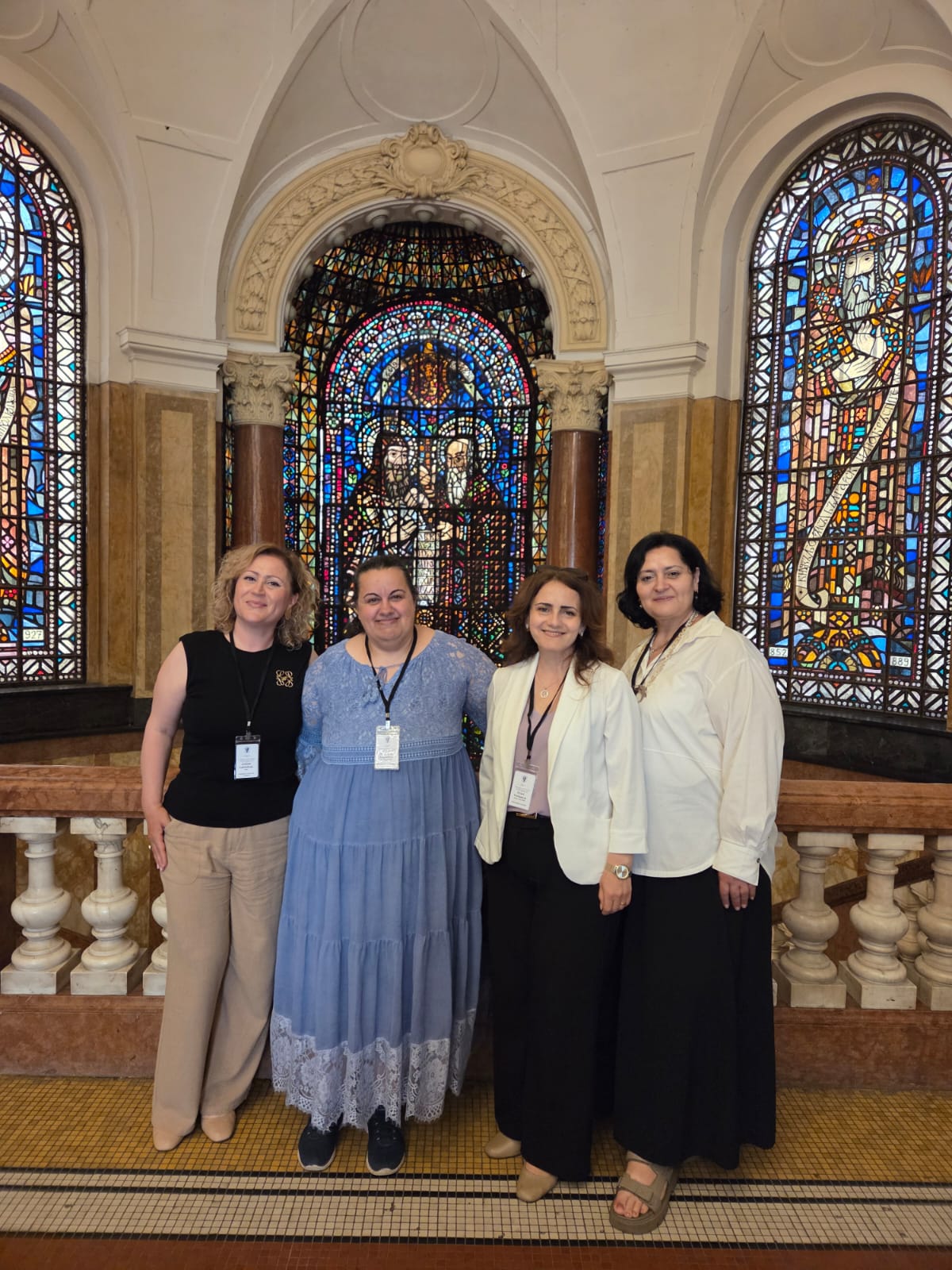
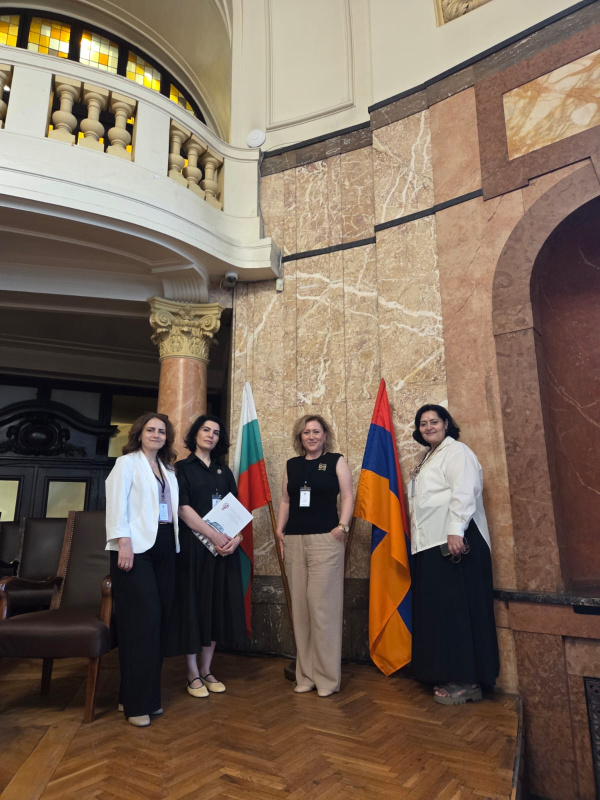
Representatives of the Chair of Armenian Language and Armenian Literature at the YSU Faculty of Armenian Philology participated in the conference, presenting research on different areas of Armenian studies.
Nvard Vardanyan, PhD, Associate Professor and Head of the Chair of History of Armenian Literature and Literary Theory after Academician Hr. Tamrazyan, delivered a presentation titled "Folkloric Components of Artsakh Folk Games". Together with fourth-year faculty student Maria Apresyan, she also co-authored and presented the study "Study of Variants of Artsakh Legends".
Marine Ghazaryan, PhD and lecturer at the Chair of History and Literary Criticism of Modern Armenian Literature, presented a paper titled "Cultural Tradition of Eastern Costume in Short Stories of Hakob Mndzuri".
Arevik Kamalyan, PhD and Associate Professor at the Chair of Armenian Language, delivered a presentation titled "Lexical and Phraseological Units Related to Divination Rituals in Armenian and Bulgarian", while Karine Mikayelyan, PhD and Associate Professor at the Chair of Armenian Language, and student Ara Hasratyan presented the study "Functional Distribution of Languages on Armenian-Language Social Media Platforms: A Sociolinguistic Perspective".
From conference participation to new opportunities for cooperation
According to participants, the conference became an important platform not only for presenting research findings, but also for establishing new professional contacts. The connections and discussions developed between Armenian studies scholars from Armenia and Bulgaria may provide a basis for joint research and future scientific projects.
"Today, science develops through international cooperation. Conferences like this provide an opportunity not only to become familiar with academic traditions in different countries, but also to build connections that can later develop into joint projects and research," Nvard Vardanyan emphasized.
Dedicated scholars preserving Armenian studies
Conference participants were particularly impressed by the dedication of the staff of Sofia University's Armenian studies center. Through their efforts, the teaching and study of the Armenian language, literature, history and culture have continued for three decades.
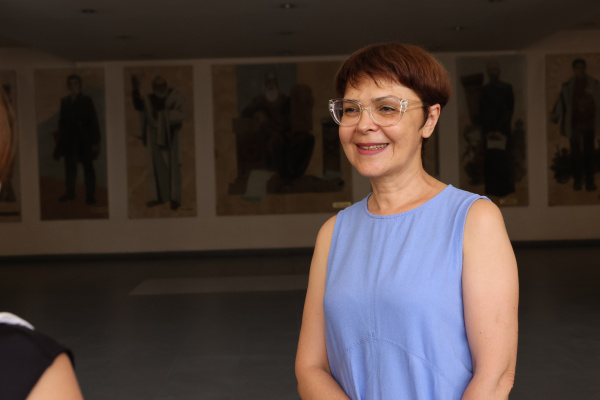
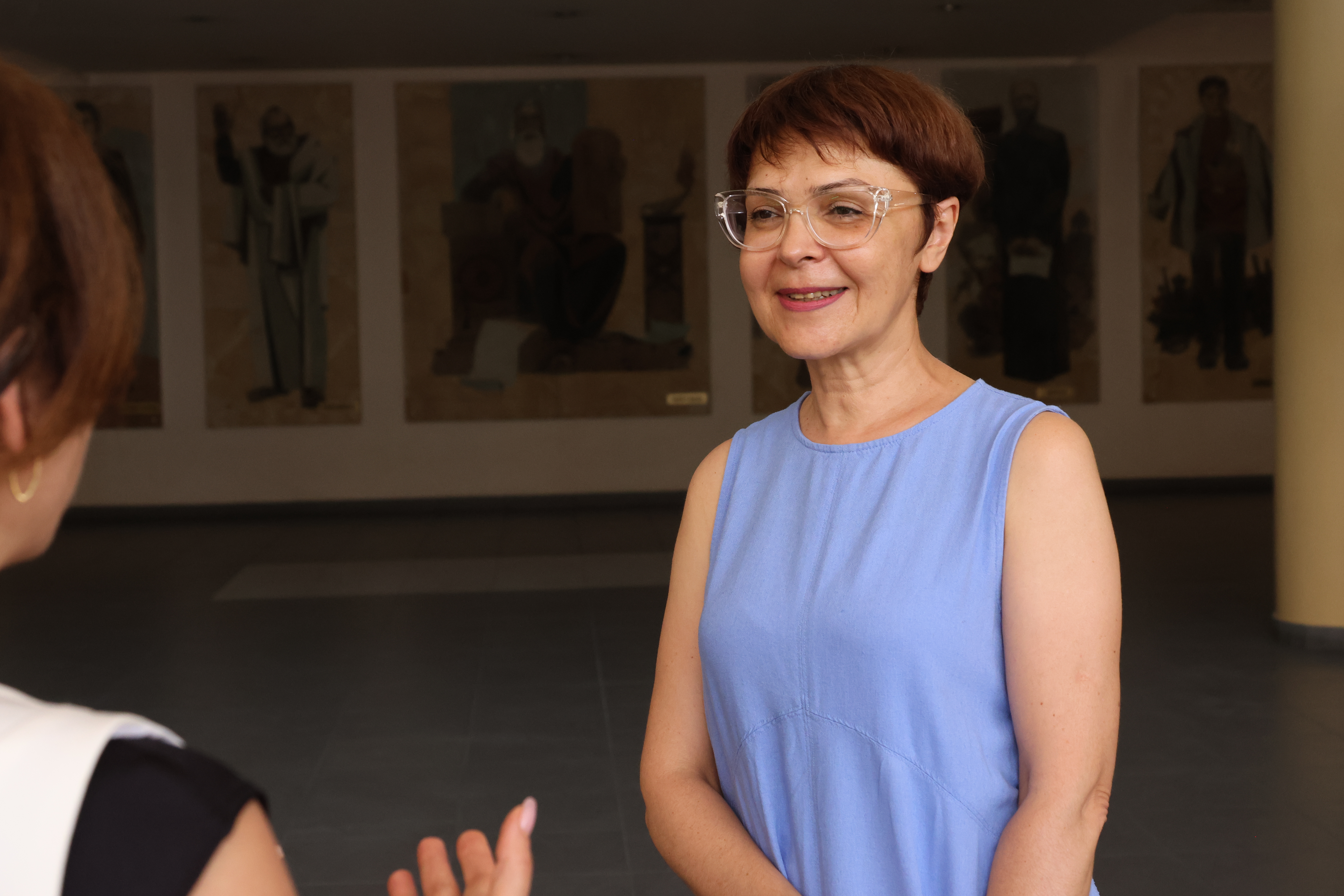
"Despite the small number of staff members, the conference was organized to an exceptionally high standard. What moved us most was the enthusiasm with which they welcomed the participants from Armenia. For them, our presence was not simply participation in the conference, but also a sign of confidence that their Armenian studies center would continue to develop with professional support from Armenia," said Arevik Kamalyan.
The conference concluded with cultural events held at the Armenian House in Sofia, bringing together scholars from Armenia, representatives of the Bulgarian-Armenian community and students interested in Armenian studies.