February 27, 2025 | 17:00
Research
Culture
Competitions

– Ms. Hakobyan, when you began your series of studies on Armenian medieval sculpture, what distinguishes medieval sculpture, and how does it differ from early medieval sculpture?
– This grant project continues our group's previous two-year research program, which was also funded by the RA MoESCS Higher Education and Science Committee. The previous study focused on the investigation of neglected and little-studied sculptural monuments, and its results were published in a digital book-album (Yerevan, 2023, YSU Publishing House). The new project is more comprehensive and aims to address several previously unexplored issues related to the sculpture of monuments in the Zakarian period, including iconography, identification of individual examples, interactions with neighboring cultures, and other related questions.
My own studies on Armenian medieval sculpture began alongside my teaching at Yerevan State University, and I have around 60 publications specifically dedicated to sculptures. The other four members of our group are also art historians with extensive experience in sculpture research and numerous publications.
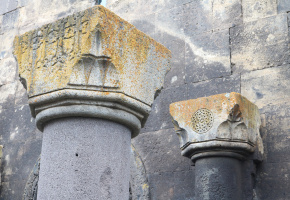
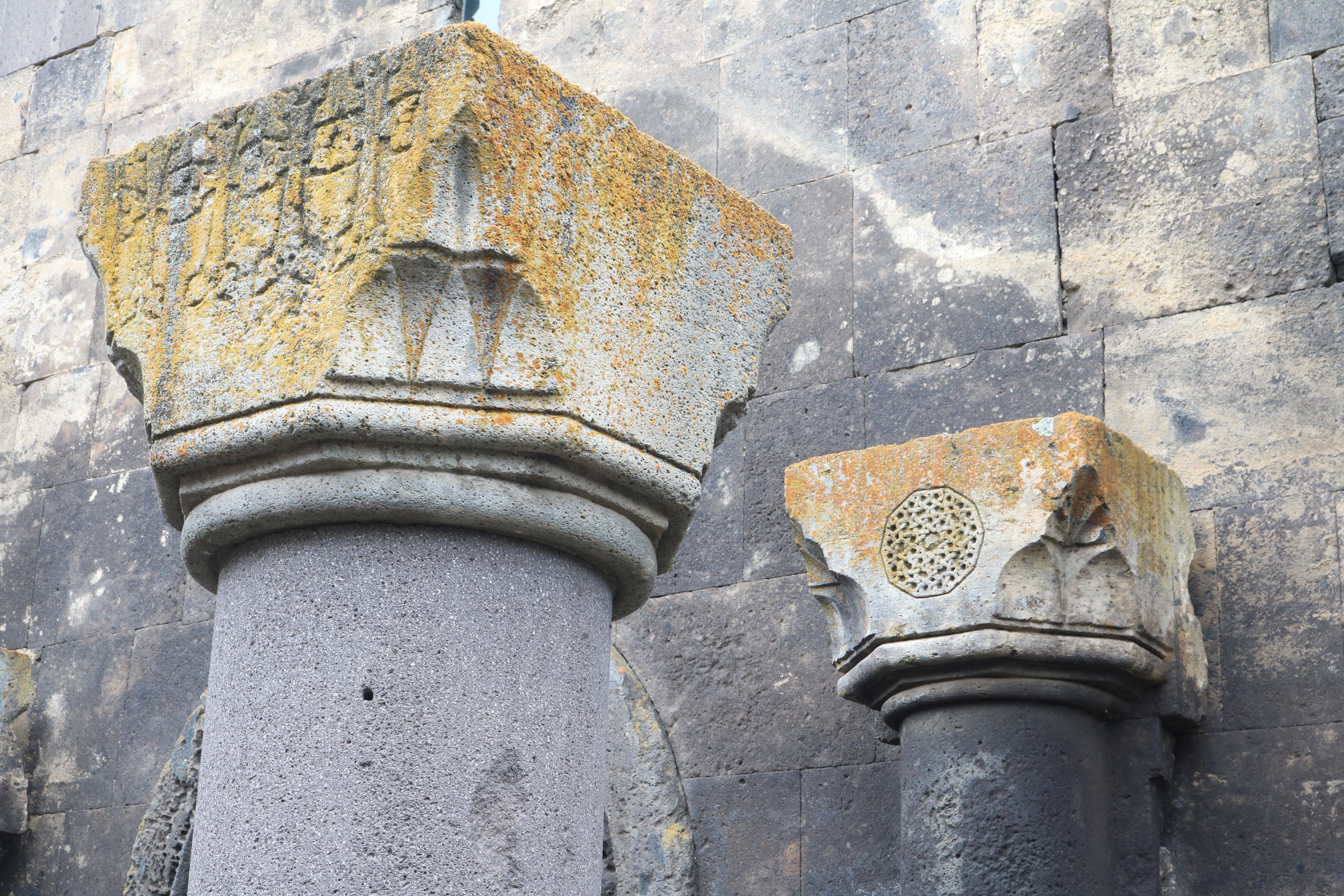
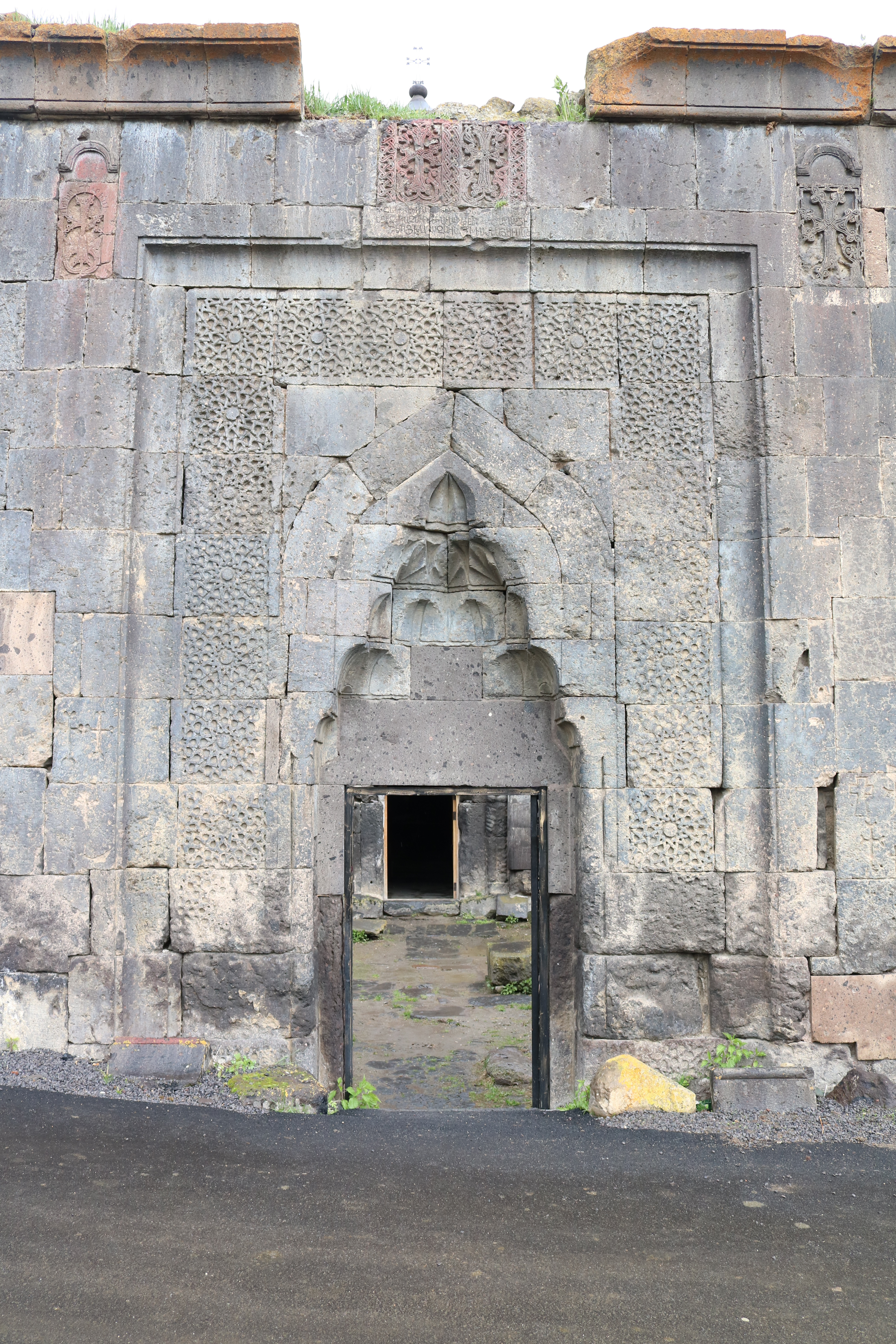
Regarding the distinction between early and mature medieval sculpture, the thematic range of the 12th–14th century works we focus on is more diverse and rich. In addition to traditional biblical scenes, representations of animals are abundant. During this period, ornamental carving reached a high level of development and developed new artistic styles.
– What role did sculpture play in Armenian medieval art? What meanings were conveyed through the sculpted images? Which types of stone were used?
– In the medieval period, sculpture was an integral part of church architecture and monumental structures. It was intended to influence a wide segment of the population through its unique artistic means, particularly targeting those who were illiterate. Therefore, visual art had a primary influence on them. Religious concepts were conveyed through sculpted images, including biblical scenes, depictions of Christ and the Virgin Mary, as well as various mythical animals and birds.
Armenia, being rich in stone, utilized almost all available types of stone for sculpture, the same materials used in constructing the church monuments themselves. The most commonly used stones include tuff, basalt, andesite, and clinker, among others.
– Which monuments and churches have you studied, and what discoveries have you made? Which nation's artisans primarily created these sculptures?
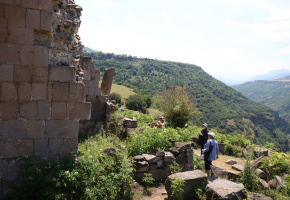
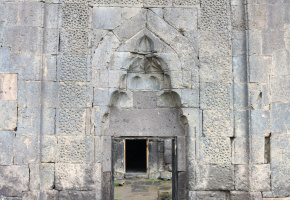
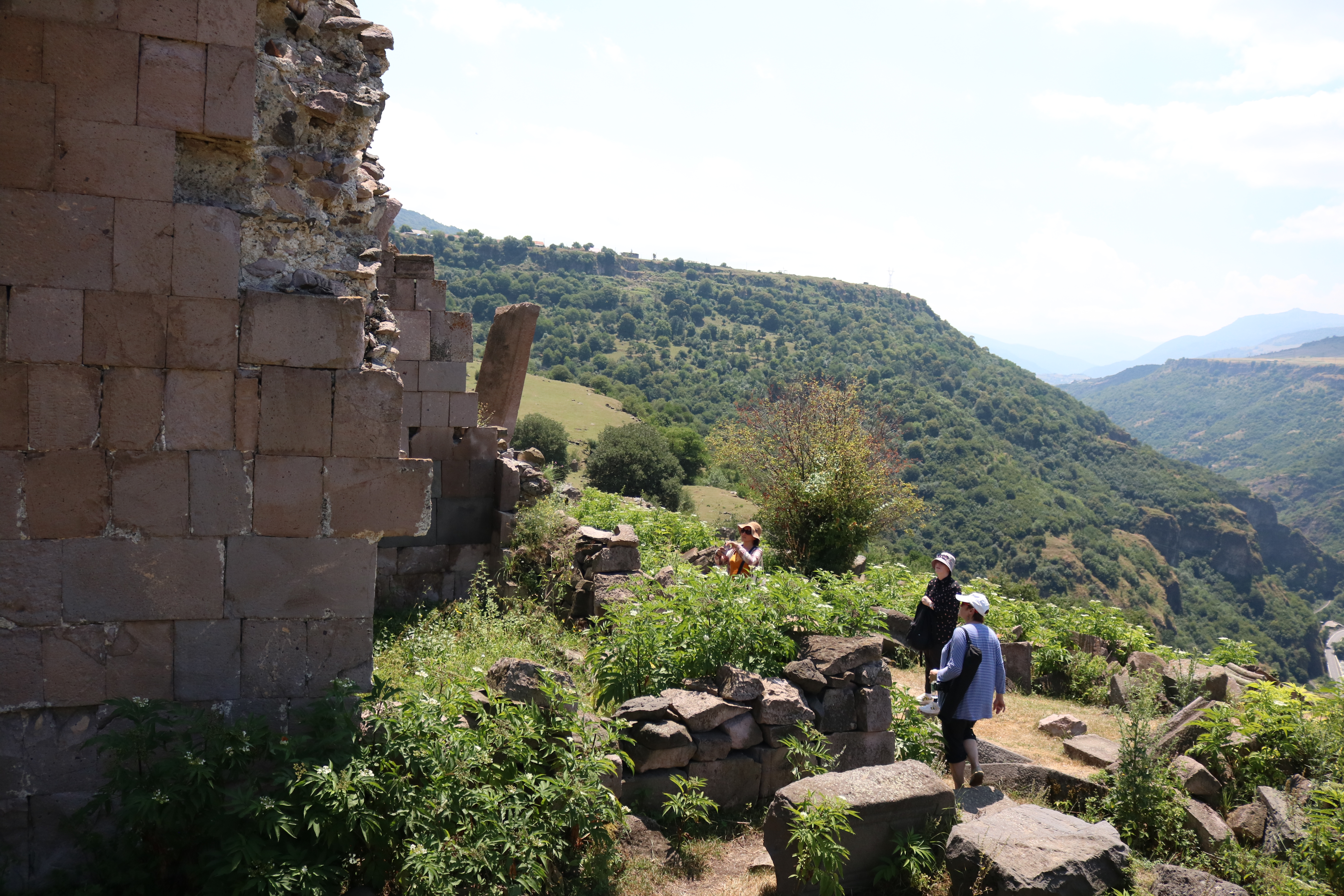
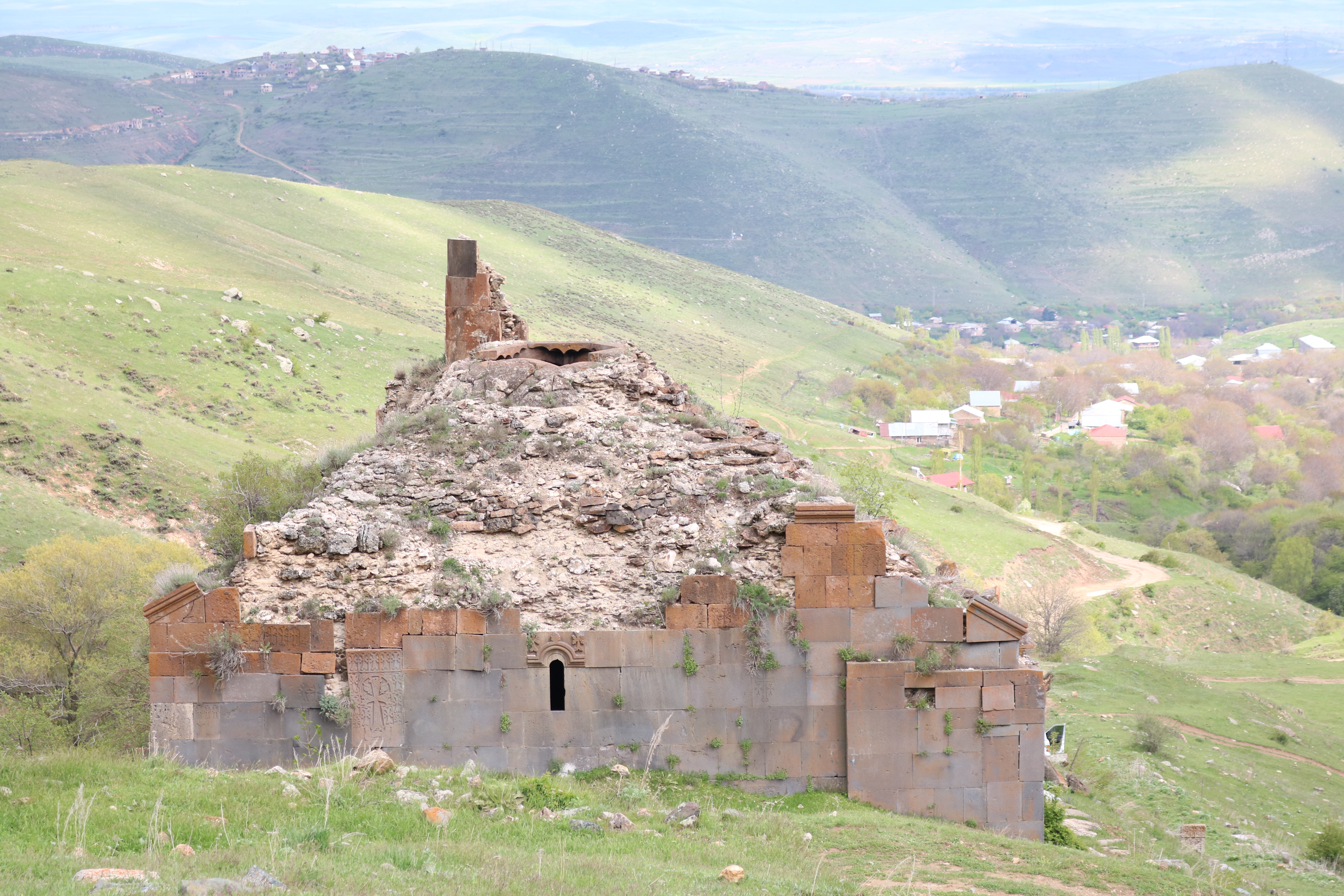
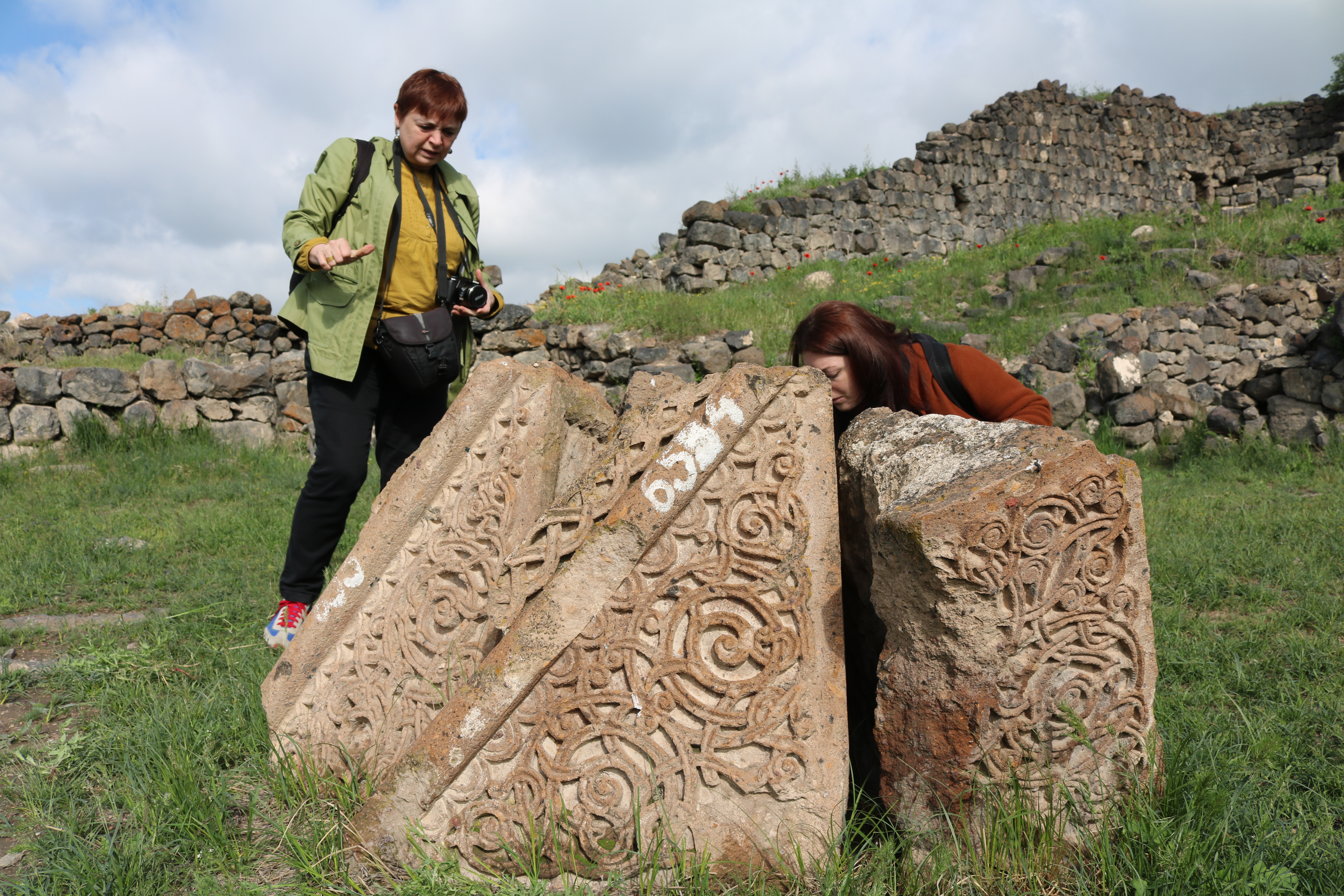
– Our current project, like the previous one, encompasses monuments across the entire territory of Armenia, including structures in Artsakh and Ani from the Zakarian period. During this work, we have published and brought to scholarly attention several previously unstudied sculptural examples, identifying their interactions with sculptural models from the broader Christian East and Islamic worlds.
As evident from epigraphic and written sources, Armenian master sculptors were themselves Armenian. In the 12th–14th centuries, they also participated in the construction of Seljuk Anatolian monuments. Sculptors generally worked in workshop collectives, and occasionally, some of them could also be members of the clergy.
– Were foreign cultural influences reflected in Armenian medieval sculpture?
– During the 12th–14th centuries, the entire Near East and the South Caucasus maintained active trade and intercultural connections, which naturally affected artistic development and facilitated cultural exchange. Armenian sculpture, in turn, had a significant influence on the arts of neighboring peoples, such as the Seljuks and Georgians, with the latter showing particularly notable mutual influence.

– Who are involved as researchers in this project, and when will the results be completed?
– The research group includes one international collaborator from the University of Fribourg in Switzerland, where South Caucasian architecture and art studies hold a prominent place. The group also includes Lilit Mikayelyan, a lecturer at the Institute of Oriental Studies of the Russian-Armenian University; Arpine Asryan, a researcher at the Mesrop Mashtots Research Institute of Ancient Manuscripts; Taguhi Avetisyan, an employee of the RA MoESCS Scientific Research Center for Cultural Heritage; and Armine Petrosyan, a PhD student in the Art Studies program at the Mesrop Mashtots Research Institute of Ancient Manuscripts.
The research is scheduled to last three years. Our group is preparing a series of publications in both local and international scientific journals, focusing particularly on journals indexed in major international databases such as Scopus.